

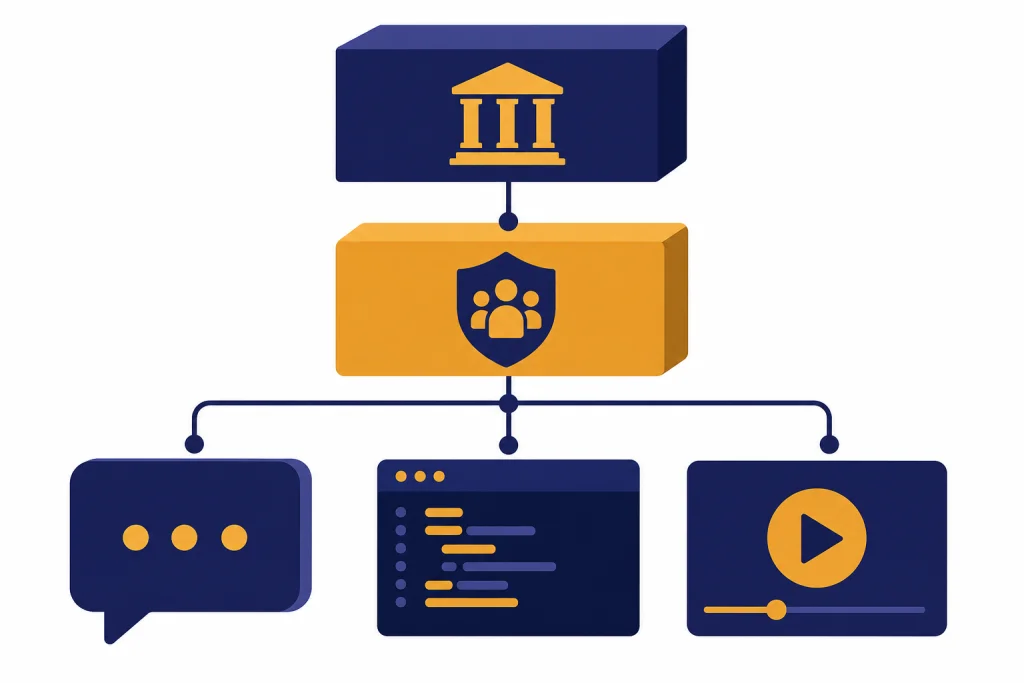
OpenAI is an artificial intelligence research and deployment company best known for ChatGPT, the GPT model family, and the OpenAI API. Its stated mission is to ensure that artificial general intelligence, or AGI, benefits all of humanity.[1] In plain English, OpenAI builds advanced AI systems, turns them into products people and developers can use, and says its long-term goal is to make increasingly powerful AI useful and safe at broad scale. The company began as a nonprofit research lab in 2015 and later added a for-profit arm to raise the capital needed for frontier AI development.[3][4]
The short definition
OpenAI is a company that researches, trains, tests, and deploys artificial intelligence systems. It is the organization behind ChatGPT, a conversational AI product released on November 30, 2022.[5] It also provides developer tools through the OpenAI API, so companies can build AI features into their own software.[7]
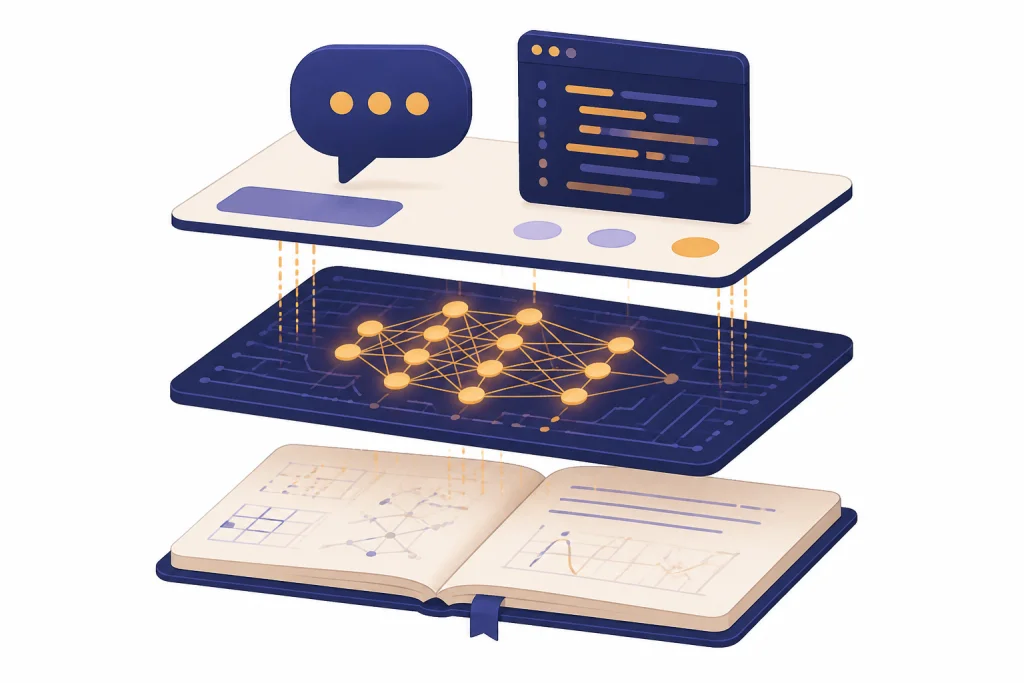
The easiest way to understand OpenAI is to separate three layers. The research layer develops AI methods and model families. The model layer contains systems such as GPT models, reasoning models, image models, and audio models. The product layer turns those models into tools such as ChatGPT, API endpoints, and creative systems such as Sora.
OpenAI is not the same thing as ChatGPT. ChatGPT is one product made by OpenAI. If you want the beginner version of that product relationship, start with what is ChatGPT?. If you want the language-model side, read what is GPT? and what ChatGPT stands for.
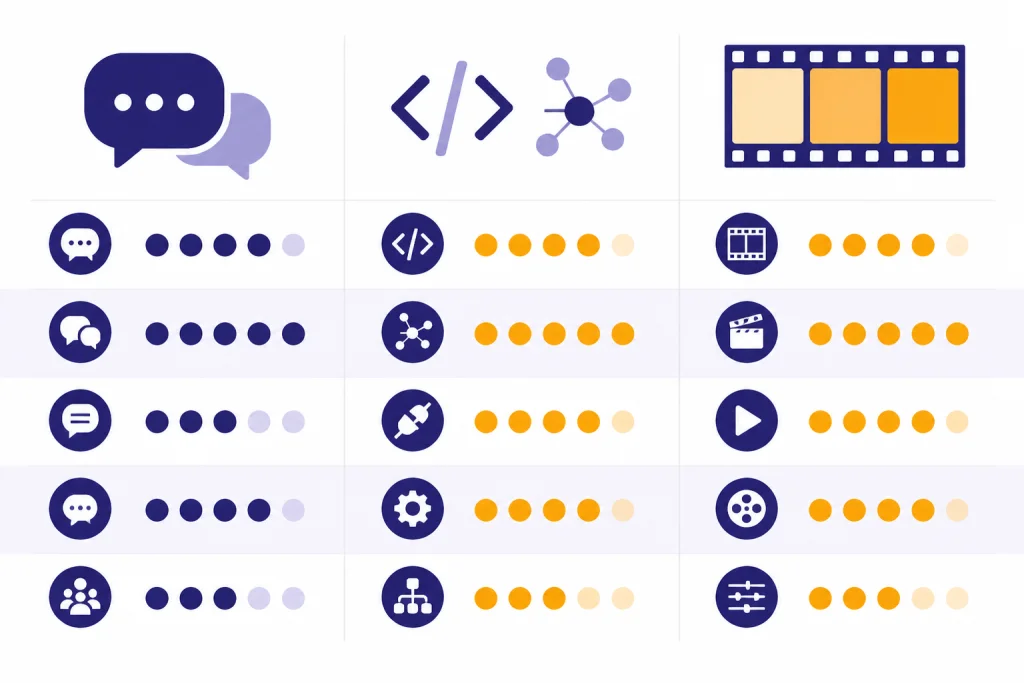
OpenAI also is not only a chatbot company. Its work now spans text, code, images, audio, video, agents, safety systems, and developer infrastructure. That wider scope explains why the company describes itself as both a research and deployment company rather than as a single app maker.[1]
What OpenAI’s mission means
OpenAI states its mission as ensuring that artificial general intelligence benefits all of humanity.[1] Its Charter defines AGI as highly autonomous systems that outperform humans at most economically valuable work.[2] That definition matters because OpenAI’s mission is not limited to making a helpful chatbot. It is about what should happen if AI systems become broadly capable across many important tasks.
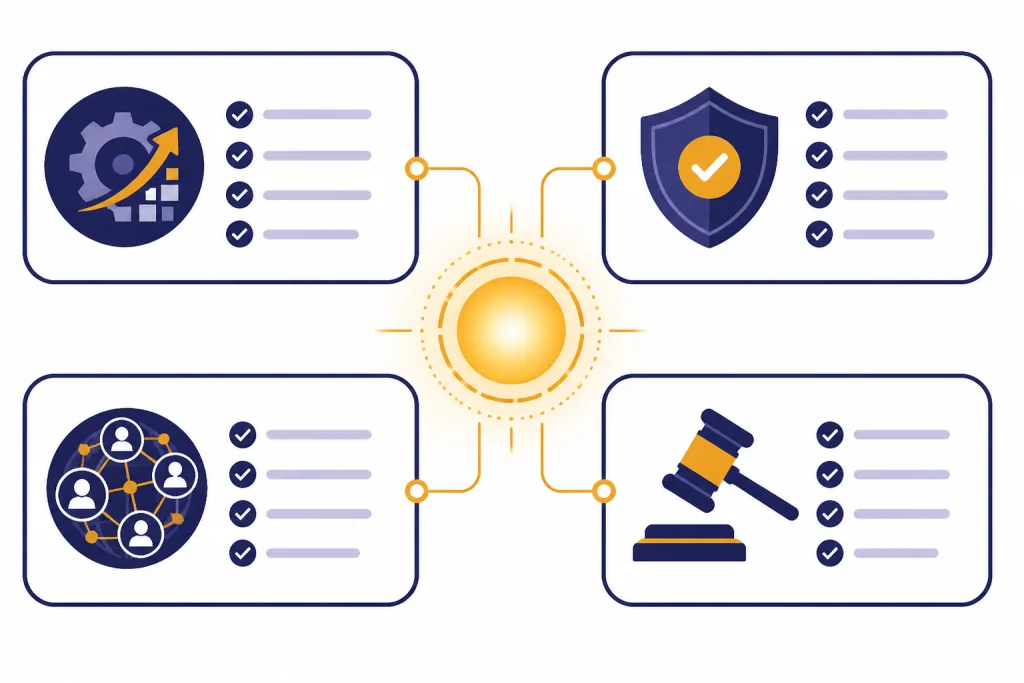
The mission has four practical parts.
- Capability. OpenAI tries to build models that can perform useful cognitive work.
- Safety. OpenAI tests and adjusts models before and after release to reduce harmful behavior.[8]
- Access. OpenAI turns research into products that individuals, developers, companies, schools, and institutions can use.
- Governance. OpenAI says its nonprofit foundation controls the for-profit group that operates the business.[4]
This mission is ambitious and contested. Supporters see OpenAI as a leading lab pushing AI tools into public use. Critics argue that frontier AI companies can become too closed, too powerful, or too dependent on commercial incentives. Both views start from the same fact: OpenAI is building systems that could affect work, education, software development, media, and public policy.
OpenAI’s mission language uses the term AGI. That term is different from ordinary generative AI. Generative AI creates text, images, audio, video, or code from prompts. AGI refers to a much broader level of machine capability. For the basics, see what is generative AI? and what is a large language model?.
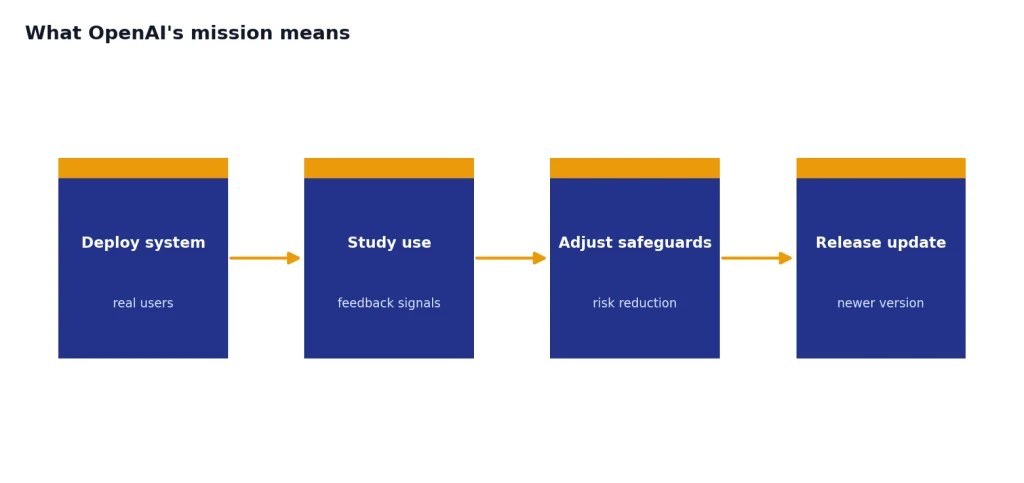
The mission also explains why OpenAI talks so often about safety, feedback, and staged releases. ChatGPT’s original release page described the product as a way to collect user feedback and learn about strengths and weaknesses.[5] That pattern is important. OpenAI often deploys systems, studies real use, adjusts safeguards, and releases newer versions later.
How OpenAI is organized
OpenAI began as a nonprofit artificial intelligence research company in 2015.[3] In 2019, it created a for-profit subsidiary so it could scale research and deployment work that requires large amounts of compute, talent, and infrastructure.[4] On October 28, 2025, OpenAI announced an updated structure in which the nonprofit became the OpenAI Foundation and the for-profit became OpenAI Group PBC, a public benefit corporation.[4]
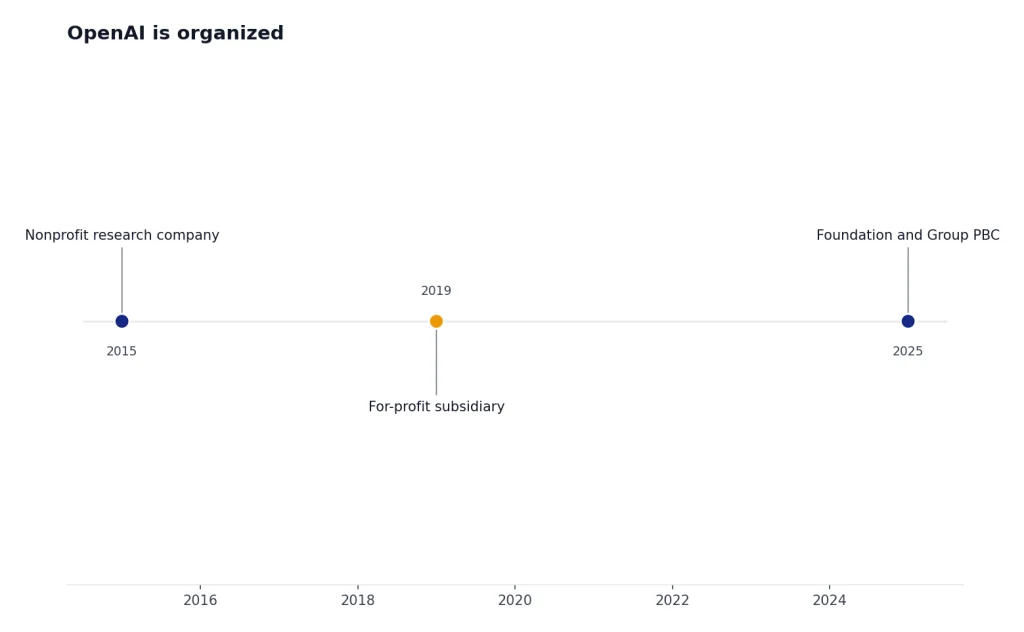
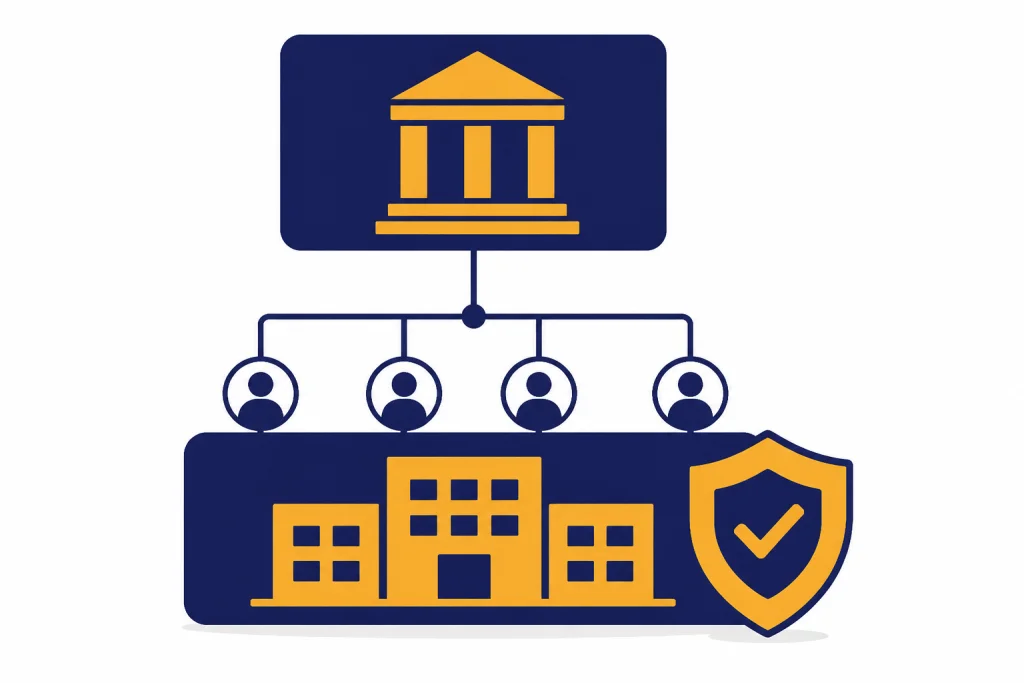
The key governance point is control. OpenAI says the OpenAI Foundation continues to control OpenAI Group, and that both organizations share the same mission.[4] The company presents this as a way to combine nonprofit oversight with the ability to raise capital and operate a large AI business.
| Part of OpenAI | Plain-English role | Why it matters |
|---|---|---|
| OpenAI Foundation | The nonprofit control layer | Holds governance rights and is responsible for mission oversight.[4] |
| OpenAI Group PBC | The for-profit operating company | Runs the business side as a public benefit corporation.[4] |
| Research teams | Develop and evaluate AI systems | Create model capabilities and study risks. |
| Product and platform teams | Turn models into usable tools | Operate products such as ChatGPT and developer APIs. |
| Safety and policy functions | Test, monitor, and govern deployments | Help decide how systems should be released and constrained.[8] |
This structure is unusual. Most technology companies are ordinary for-profit corporations. OpenAI has a nonprofit controller and a public benefit corporation operating arm. That does not remove business incentives. It does mean the company’s official structure is built around a stated public-benefit mission rather than only shareholder value.[4]
OpenAI also has major commercial partners. Microsoft and OpenAI announced an expanded multi-year, multi-billion-dollar partnership on January 23, 2023, following earlier Microsoft investments in 2019 and 2021.[9][10] For a fuller breakdown of that relationship, read our guide to OpenAI and Microsoft. For ownership questions, see who owns ChatGPT?.
What OpenAI makes
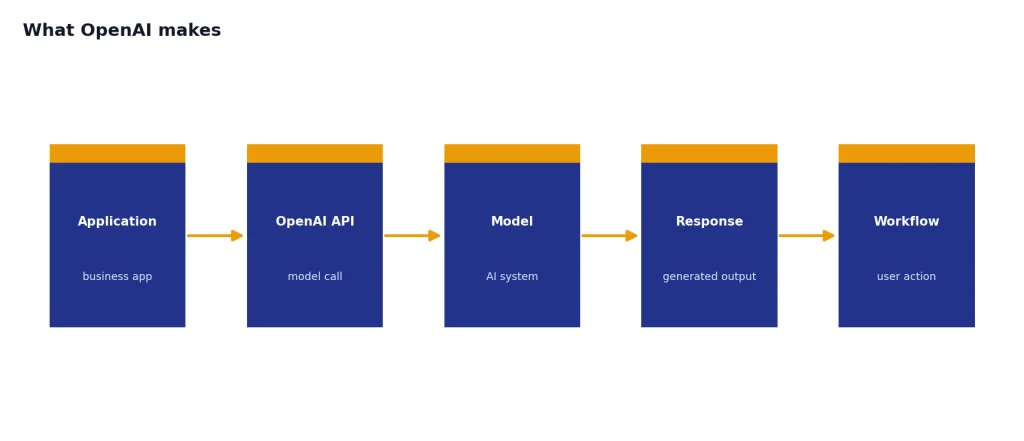
OpenAI makes models, products, and infrastructure. The models are the underlying AI systems. The products are user-facing tools. The infrastructure lets developers and organizations use those systems in their own workflows.
ChatGPT is the best-known OpenAI product. OpenAI introduced it on November 30, 2022, as a conversational model that could answer follow-up questions, admit mistakes, challenge incorrect premises, and reject inappropriate requests.[5] ChatGPT made OpenAI visible to mainstream users because it gave people a simple chat interface for interacting with a large language model.
The OpenAI API is the developer platform. It lets software teams call OpenAI models from their own applications instead of using ChatGPT manually.[7] A company might use the API to summarize support tickets, classify documents, generate draft replies, analyze images, or build an internal assistant. If you are learning the technical concepts behind API use, start with what is a token?, what is a context window?, and OpenAI API pricing.
Sora is OpenAI’s video-generation system. OpenAI released Sora as a standalone product for ChatGPT Plus and Pro users on December 9, 2024.[6] It is an example of OpenAI moving beyond text into multimodal AI. Multimodal systems can work across formats such as text, image, voice, and video. See what is multimodal AI? for the broader concept.
OpenAI also publishes safety materials, system cards, research updates, and policy documents. These do not always get the same attention as product launches, but they are part of how the company explains model behavior, risk testing, and deployment decisions.[8]
Why OpenAI matters
OpenAI matters because it helped move modern generative AI from research labs into everyday use. ChatGPT gave many people their first direct experience with a flexible AI assistant. The API gave developers a way to build AI into products without training frontier models themselves. The result was a new software pattern: users describe a task in natural language, and a model produces a draft, answer, plan, classification, or tool call.
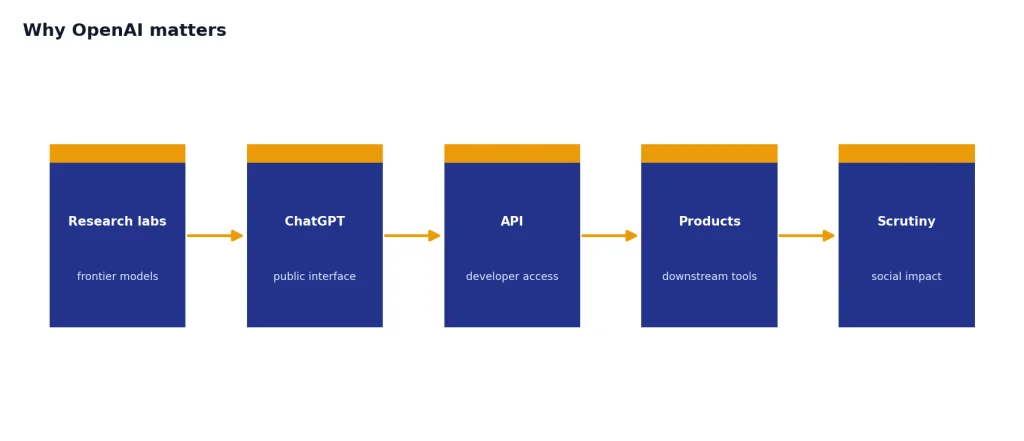
OpenAI also matters because its products shape how people understand AI. Terms such as prompt, token, context window, fine-tuning, RAG, and AI agent became more common as people started building with language models. If those terms still feel abstract, read what is prompt engineering?, what is RAG?, what is fine-tuning?, and what is an AI agent?.
The company also influences the AI market. Its model releases affect competing labs, cloud providers, enterprise software vendors, education technology, coding tools, and creative software. When OpenAI changes a model, launches a new API feature, or modifies safety rules, many downstream products can be affected.
OpenAI’s importance also creates scrutiny. Users want to know how models are trained, how data is handled, how harmful outputs are reduced, how copyright disputes should be resolved, and who controls the company. Those questions are not side issues. They are central to whether OpenAI’s mission can be judged as credible in practice.
A balanced view is best. OpenAI has made powerful AI tools easier to use. It also operates in a field where safety, competition, labor effects, data rights, and governance remain unsettled. The company’s mission is clear on paper. The harder question is how well its products, partnerships, and structure deliver on that mission over time.
Common misconceptions
OpenAI is not just ChatGPT
ChatGPT is OpenAI’s most familiar product, but it is not the whole company. OpenAI also develops model families, provides an API platform, releases multimodal systems, and publishes safety and research materials. Treating OpenAI and ChatGPT as identical can make ownership, pricing, API, and model questions confusing.
OpenAI is not a traditional nonprofit
OpenAI began as a nonprofit in 2015 and created a for-profit subsidiary in 2019.[3][4] Its current structure combines the OpenAI Foundation with OpenAI Group PBC.[4] That makes it different from both a normal charity and a normal venture-backed software company.
OpenAI’s mission is not the same as open source
The word “Open” in OpenAI’s name can be misleading. The company’s mission is about AGI benefiting humanity, not a blanket promise that every model, dataset, or system will be open source. Some OpenAI work has been published openly, while other systems are delivered through products or APIs.
AGI does not mean every current OpenAI product is AGI
OpenAI’s mission centers on AGI, but that does not mean ChatGPT or any specific product should automatically be treated as AGI. OpenAI’s Charter defines AGI in broad terms, and current product capabilities vary by model, tool, and use case.[2] It is better to evaluate each system by what it can reliably do today.
Frequently asked questions
What is OpenAI in one sentence?
OpenAI is an AI research and deployment company whose stated mission is to ensure AGI benefits all of humanity.[1] It builds models, products, and developer tools, including ChatGPT and the OpenAI API.
Who created OpenAI?
OpenAI’s 2015 launch page named Greg Brockman, Ilya Sutskever, and OpenAI as authors, listed Ilya Sutskever as research director and Greg Brockman as CTO, and named Sam Altman and Elon Musk as co-chairs.[3] It also listed founding members including Trevor Blackwell, Vicki Cheung, Andrej Karpathy, Durk Kingma, John Schulman, Pamela Vagata, and Wojciech Zaremba.[3] For more background, see who created ChatGPT?.
Is OpenAI the owner of ChatGPT?
Yes. ChatGPT is an OpenAI product. OpenAI introduced ChatGPT on November 30, 2022, and described it as a conversational model trained to interact in dialogue.[5]
Is OpenAI a nonprofit or a for-profit company?
It is both, structurally. OpenAI says the nonprofit OpenAI Foundation controls OpenAI Group PBC, the for-profit public benefit corporation that operates the business.[4] This hybrid structure is one reason OpenAI governance attracts so much attention.
What does OpenAI mean by AGI?
OpenAI’s Charter defines AGI as highly autonomous systems that outperform humans at most economically valuable work.[2] That is a broader target than a chatbot or a single-purpose software tool. It points to AI systems that could handle many kinds of cognitive work.
Does OpenAI only make GPT models?
No. GPT models are central to OpenAI’s history, but the company also works on image, audio, video, safety, and developer platform systems. Sora, released as a standalone video product on December 9, 2024, is one example of OpenAI’s work beyond text.[6]