

The OpenAI Microsoft partnership is a deep commercial and technical alliance, not a simple acquisition. Microsoft supplies cloud infrastructure, capital, distribution, and enterprise channels. OpenAI supplies frontier models, research, and fast-moving AI products. The deal began with Microsoft’s $1 billion investment in 2019 and expanded through larger, multi-year commitments, Azure exclusivity, product integrations, and a reworked 2025 agreement that gave Microsoft a major economic stake while preserving OpenAI as a separate company.[1][7] As of March 11, 2026, both companies say the partnership remains central, even as OpenAI gains flexibility to pursue more infrastructure and partner relationships outside Microsoft.[9]
The partnership in one view
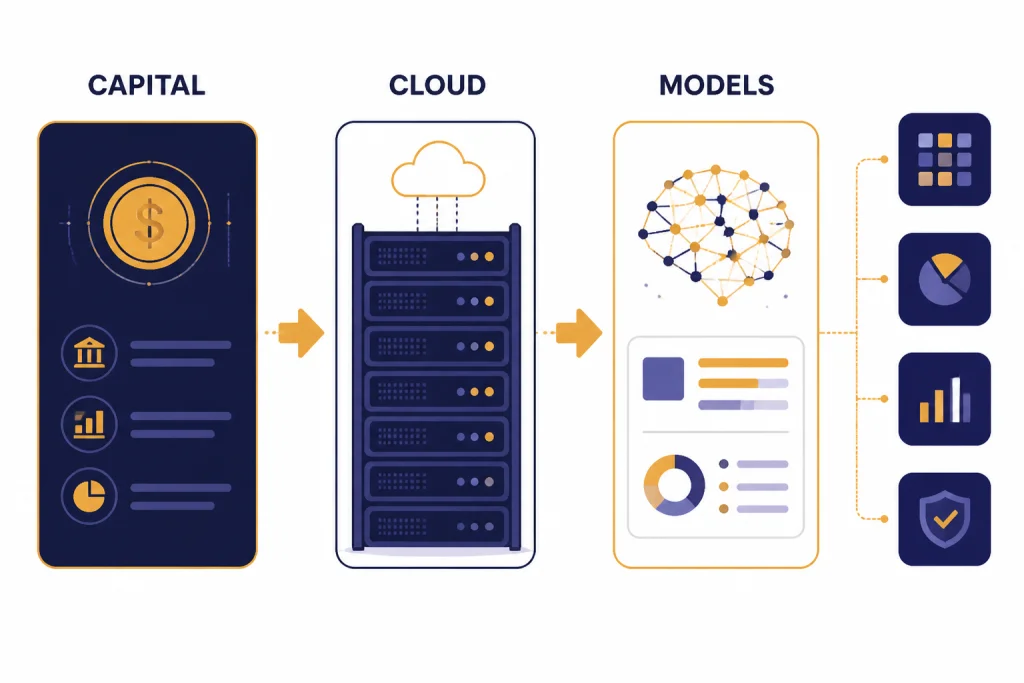
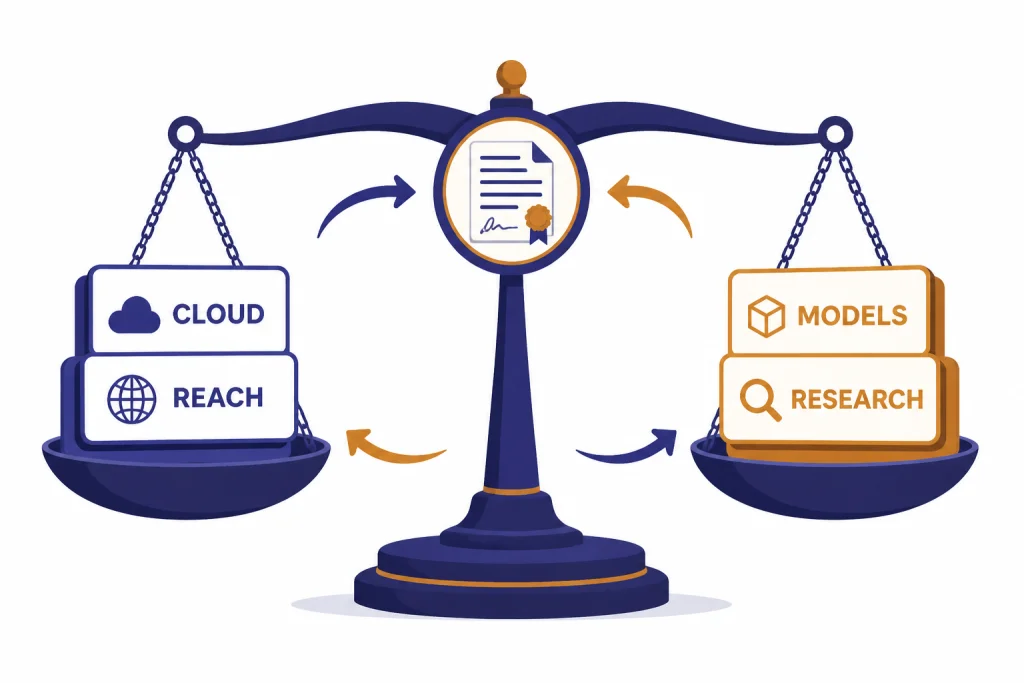
The OpenAI Microsoft partnership joins three things that are hard to build alone: frontier AI research, massive cloud infrastructure, and enterprise distribution. OpenAI trains and releases models and products. Microsoft provides Azure infrastructure, commercial routes to business customers, and integration into its own product suite. Microsoft also has contractual rights to OpenAI intellectual property and a major economic interest in OpenAI Group PBC after the 2025 recapitalization.[7]
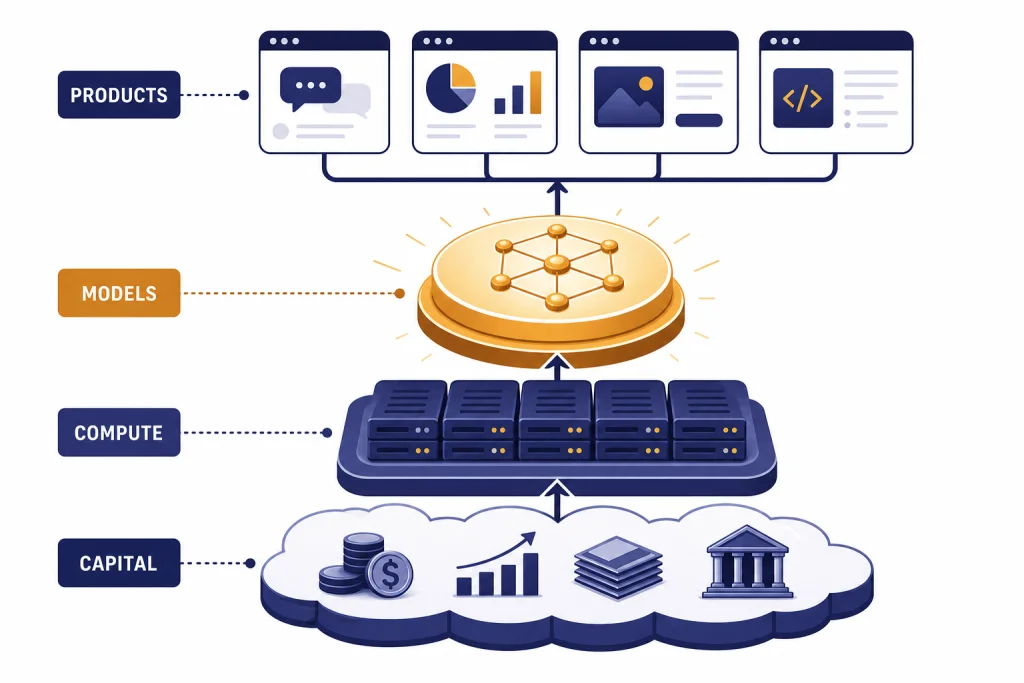
The easiest way to understand the relationship is to separate it into layers. At the bottom is compute. Azure powers training, inference, APIs, and first-party products under different contractual rules. In the middle are model and IP rights. At the top are products such as Azure OpenAI Service, Microsoft 365 Copilot, GitHub Copilot, ChatGPT, and OpenAI’s own API. For the developer-level comparison, see our Azure OpenAI Service vs OpenAI API guide.
| Layer | Microsoft role | OpenAI role | Why it matters |
|---|---|---|---|
| Capital | Major investor and economic stakeholder | Raises capital for compute, research, and products | Frontier AI requires very large up-front spending |
| Cloud | Azure supplies key infrastructure and API hosting | Uses compute for training, inference, and product delivery | Compute access shapes release speed and reliability |
| Models and IP | Receives defined rights to OpenAI model and product IP | Develops models, tools, and consumer products | IP rights power Microsoft products and enterprise offerings |
| Distribution | Ships AI inside Microsoft products and to Azure customers | Reaches users directly and through Microsoft channels | The same research becomes both consumer and enterprise software |
| Governance | Has influence, but not full control according to the CMA | Remains a separate organization with its own board and strategy | The distinction matters for competition, regulation, and mission claims |
How the OpenAI Microsoft partnership started
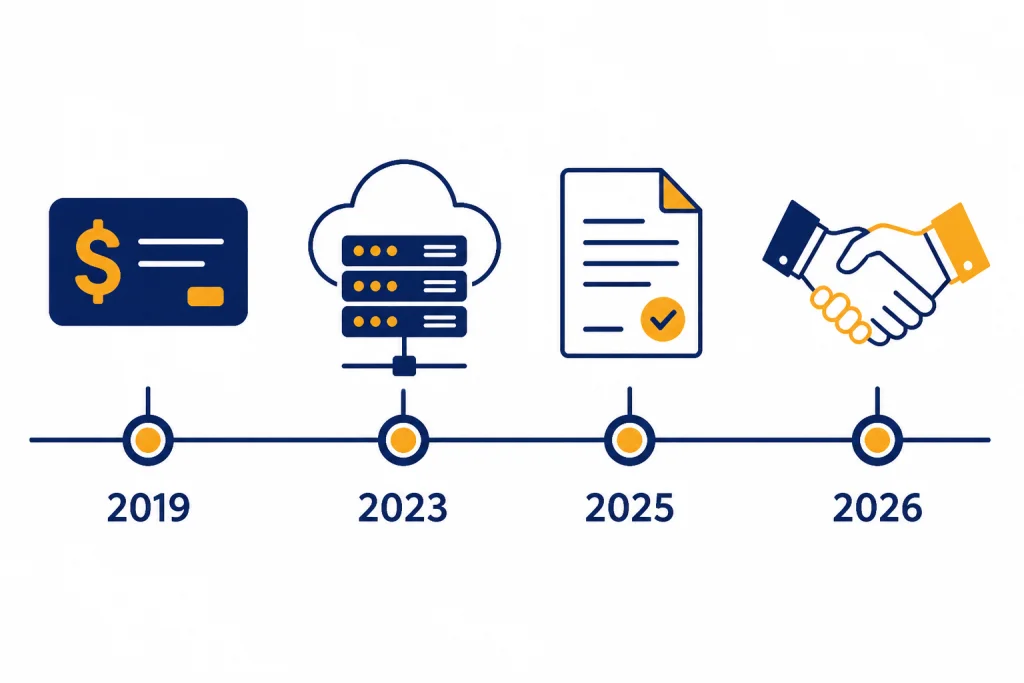
The partnership began publicly on July 22, 2019, when OpenAI said Microsoft would invest $1 billion and become its exclusive cloud provider.[1] The stated goal was not only commercial. OpenAI framed the agreement as a way to build artificial general intelligence with broad economic benefits, while Microsoft framed Azure as the cloud platform capable of supporting that scale.[1] For the broader company timeline, see OpenAI History.
The 2019 deal set the template. OpenAI needed capital and supercomputing. Microsoft needed access to leading AI systems that could strengthen Azure and its software products. The arrangement also gave Microsoft a way to compete with Google, Amazon, and other AI infrastructure players without building every frontier model internally.
The relationship expanded again on January 23, 2023, when Microsoft announced the “third phase” of the partnership through a multi-year, multibillion-dollar investment.[2] Microsoft said that phase covered supercomputing, AI-powered experiences across Microsoft products, and Azure as OpenAI’s exclusive cloud provider for OpenAI workloads across research, products, and API services.[2] The Associated Press reported the same day that Microsoft did not disclose the exact dollar amount for that latest investment.[3]
The commonly repeated “$10 billion” figure for the 2023 expansion should be treated carefully. CNBC reported that Microsoft was in talks to invest $10 billion, citing Semafor, and Bloomberg later reported a $10 billion investment.[13][14] But Microsoft and OpenAI’s official wording was “multiyear, multibillion dollar,” not a precise public number.[2] OpenAI has not published an official figure for this.
| Date | Milestone | What changed |
|---|---|---|
| July 22, 2019 | Initial Microsoft investment | Microsoft invested $1 billion and became OpenAI’s exclusive cloud provider.[1] |
| January 23, 2023 | Expanded partnership | Microsoft announced a multi-year, multibillion-dollar expansion focused on Azure, supercomputing, and product integration.[2] |
| October 28, 2025 | Definitive agreement | OpenAI and Microsoft set new terms around PBC recapitalization, IP rights, Azure commitments, AGI review, and third-party flexibility.[7] |
| February 27, 2026 | Joint statement | The companies said the core partnership terms remained unchanged despite new funding and partner activity around OpenAI.[9] |
What Microsoft gets from OpenAI
Microsoft gets three main benefits: access to OpenAI technology, a differentiated Azure offering, and an AI layer for its own software products. That combination is more valuable than a passive financial stake. It gives Microsoft both infrastructure demand and product differentiation.
The technology rights are central. In the October 2025 agreement, OpenAI said Microsoft remained OpenAI’s frontier model partner and that Microsoft continued to have exclusive IP rights and Azure API exclusivity until artificial general intelligence, subject to the agreement’s definitions and later changes.[7] The same post said Microsoft’s IP rights for models and products were extended through 2032 and included post-AGI models with safety guardrails.[7]
Microsoft also receives product leverage. OpenAI models help power Microsoft’s AI systems for search, developer tools, productivity software, security, and cloud services. Microsoft described Azure OpenAI Service as direct access to OpenAI models backed by Azure’s enterprise-grade capabilities and AI-optimized infrastructure.[2] The Microsoft 365 Copilot announcement described Copilot as combining large language models, including GPT-4, with Microsoft 365 apps and business data in Microsoft Graph.[5]
The economic stake is also large. After OpenAI’s 2025 recapitalization, OpenAI said Microsoft held an investment in OpenAI Group PBC valued at approximately $135 billion, representing roughly 27 percent on an as-converted diluted basis, inclusive of employees, investors, and the OpenAI Foundation.[7] GeekWire reported the same 27 percent stake and approximately $135 billion valuation, and also described it as a return on about $13.8 billion invested.[8]
This does not mean Microsoft owns OpenAI outright. It means Microsoft has a major economic position, meaningful contractual rights, and substantial commercial influence. For a deeper look at the corporate structure, read who owns OpenAI and our OpenAI valuation tracker.
What OpenAI gets from Microsoft
OpenAI gets the resources needed to build and serve large AI systems. That includes capital, Azure supercomputing, enterprise customers, security infrastructure, and a partner that can turn model capability into widely used products.
The compute side is especially important. Microsoft said in 2023 that it would increase investment in specialized supercomputing systems to accelerate OpenAI’s independent research and continue building Azure AI infrastructure for global-scale AI applications.[2] Microsoft also said OpenAI had used Azure infrastructure to train breakthrough models that were deployed in Azure to power GitHub Copilot, DALL·E 2, and ChatGPT.[2]
OpenAI also gets distribution. Azure OpenAI Service puts OpenAI technology in front of enterprise developers who already buy cloud services from Microsoft. Microsoft 365 Copilot puts OpenAI-backed capabilities into business workflows where customers already use Word, Excel, PowerPoint, Outlook, and Teams.[5] That matters because enterprise AI adoption often depends on procurement, identity management, compliance controls, and security reviews, not only model quality.
The tradeoff is dependence. The more OpenAI relies on Microsoft for compute, cloud hosting, revenue share, and product channels, the more its strategic choices can be shaped by Microsoft’s priorities. That tension is why the 2025 and 2026 updates focused heavily on flexibility, third-party partnerships, and which workloads must remain on Azure.[7][9]
Azure, Copilot, and the product layer
Azure is the operational backbone of the partnership. Azure OpenAI Service became generally available with access to models including GPT-3.5, Codex, and DALL·E 2, with Microsoft emphasizing enterprise security, reliability, compliance, data privacy, and responsible AI capabilities.[4] Microsoft said customers would also be able to access ChatGPT through Azure OpenAI Service soon after that launch.[4]
This created two paths to OpenAI technology. Developers can work directly with OpenAI, or they can use Azure OpenAI Service through Microsoft’s cloud environment. The right choice depends on procurement, compliance needs, regional availability, pricing, model access, and operational preferences. If cost is the primary issue, compare model economics in our OpenAI API pricing guide.
Microsoft’s own products are the second path. Microsoft introduced Microsoft 365 Copilot on March 16, 2023, saying it combined large language models with Microsoft Graph and Microsoft 365 apps.[5] Later that year, Microsoft said Copilot for Microsoft 365 would be generally available for enterprise customers on November 1 at $30 per user per month.[6] That price is a Microsoft product price, not an OpenAI API price.
The product layer is where the partnership becomes visible to users. A person using Copilot in Word may never think about OpenAI’s model training. A developer using Azure OpenAI Service may never buy from OpenAI directly. A ChatGPT user may never touch Azure directly. But under the surface, the same partnership links infrastructure, model access, product packaging, and enterprise distribution.
Governance, ownership, and control
The partnership raises a recurring question: does Microsoft control OpenAI? The clearest answer is that Microsoft has major influence, but OpenAI remains a separate company. The UK Competition and Markets Authority reached a similar distinction in its merger analysis. It said Microsoft has a high degree of material influence over OpenAI, but it did not believe Microsoft currently controls OpenAI’s commercial policy.[12]
That distinction matters. Control would imply a different level of legal and operational power. Influence can still be significant, especially when it comes through capital, cloud infrastructure, IP rights, and commercial dependencies. The CMA said Microsoft could use compute to exert a high degree of influence over OpenAI, while also noting examples of OpenAI acting independently.[12]

The 2025 recapitalization added another layer. OpenAI said Microsoft supported the OpenAI board moving forward with the formation of a public benefit corporation and recapitalization.[7] The agreement also said Microsoft’s rights to OpenAI research IP would remain until an independent expert panel verifies AGI or through 2030, whichever comes first.[7] For leadership context, see OpenAI’s CTO and leadership team and Sam Altman Biography.
OpenAI’s nonprofit mission language, capped-profit history, and later PBC transition are part of the same story. Microsoft did not simply buy a conventional startup. It entered a complex structure designed to balance fundraising, research independence, safety claims, and commercial scale. That structure remains a source of debate among investors, employees, policymakers, and competitors.
Why regulators care
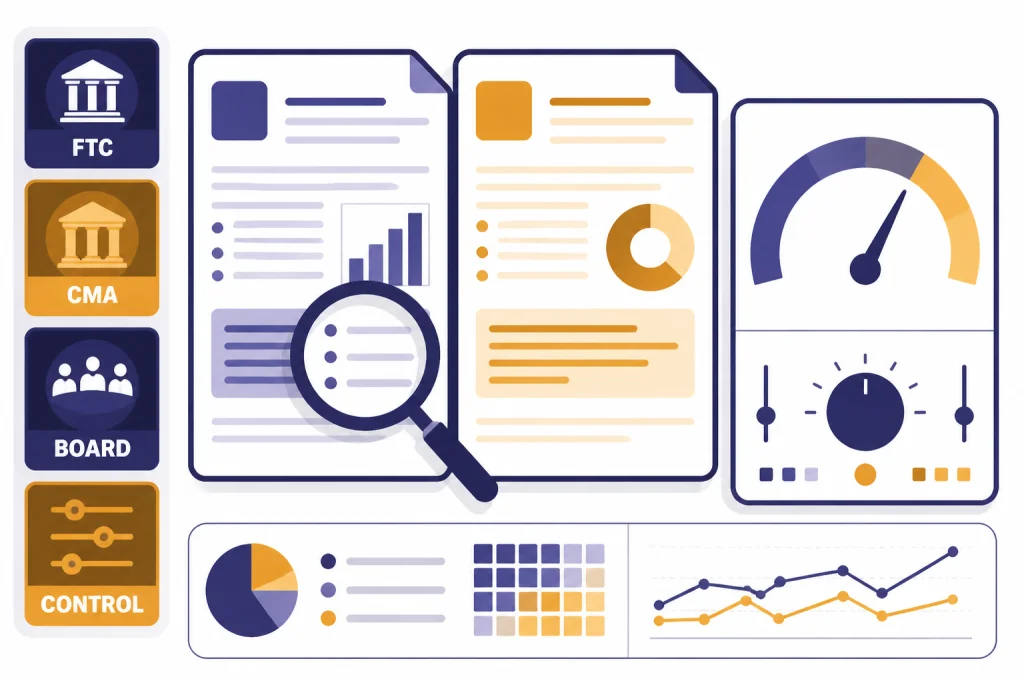
Regulators care because the partnership links a leading cloud provider with a leading AI model developer. The FTC issued orders on January 25, 2024 to Alphabet, Amazon, Anthropic, Microsoft, and OpenAI as part of an inquiry into generative AI investments and partnerships.[10] The FTC said it wanted to understand how these relationships affect competition, access to key inputs, governance rights, product decisions, and market structure.[10]
The CMA also examined the relationship. In December 2023, it sought views on whether the Microsoft OpenAI partnership, including the multiyear investment, technology collaboration, and exclusive cloud provision, had resulted in a relevant merger situation in the UK.[11] The CMA described the relationship as close and multi-faceted because both companies had significant activities in foundation models and related markets.[11]
The CMA’s later decision did not find that Microsoft had de facto control over OpenAI. It concluded that no relevant merger situation had been created because Microsoft and OpenAI had not ceased to be distinct enterprises.[12] But the decision still matters because it documented how compute access, IP rights, and commercial incentives can create powerful influence without a full acquisition.[12]
This is the larger regulatory concern. AI partnerships can function like partial vertical integration. A cloud company may not buy a model lab, but it can supply compute, hold investment rights, gain IP access, bundle the models into products, and shape the market for enterprise AI. Regulators are trying to decide when that kind of structure promotes innovation and when it limits competition.
What changed in 2025 and early 2026
The biggest change came in the October 2025 definitive agreement. OpenAI said Microsoft’s model and product IP rights were extended through 2032, while research IP rights would last until AGI verification by an independent expert panel or through 2030, whichever comes first.[7] The agreement also excluded OpenAI’s consumer hardware from Microsoft’s IP rights.[7]
The same agreement gave OpenAI more room to work with others. OpenAI said it could jointly develop some products with third parties, that API products developed with third parties would be exclusive to Azure, and that non-API products could be served on any cloud provider.[7] OpenAI also said it had contracted to purchase an incremental $250 billion of Azure services and that Microsoft would no longer have a right of first refusal to be OpenAI’s compute provider.[7] GeekWire also reported the $250 billion Azure commitment.[8]
On February 27, 2026, Microsoft and OpenAI published a joint statement saying new funding and partner announcements did not change the terms shared in the October 2025 blog.[9] The statement said Microsoft maintained its exclusive license and access to IP across OpenAI models and products, that the commercial and revenue share relationship remained unchanged, and that Azure remained the exclusive cloud provider for stateless OpenAI APIs.[9]
That statement also clarified the flexibility side. It said the partnership was designed to give both companies room to pursue new opportunities independently while continuing to collaborate.[9] It also said OpenAI continued to have flexibility to commit to additional compute elsewhere, including large-scale infrastructure initiatives such as Stargate.[9] For ongoing updates, see OpenAI News and our coverage of OpenAI revenue.
Bottom line for users and developers
For users, the partnership explains why OpenAI technology appears in Microsoft products and why Microsoft has been able to move quickly in enterprise AI. It also explains why some ChatGPT and API reliability questions are tied to infrastructure scale, not only product design. When systems are down, the practical troubleshooting path is still product-specific; our OpenAI status page guide is the better place to start.
For developers, the partnership creates a real platform choice. OpenAI’s direct API may be simpler for teams that want OpenAI-native access and faster experimentation. Azure OpenAI Service may be better for teams already standardized on Azure identity, networking, procurement, compliance, and enterprise support. The underlying business relationship does not remove the need to compare model availability, latency, security controls, region support, and total cost.

For the AI industry, the partnership is a template. It shows how frontier model labs and cloud platforms can become deeply interdependent without a traditional acquisition. Microsoft gets model access and AI product leverage. OpenAI gets capital, compute, and enterprise reach. The unresolved question is how much independence a model lab can keep when its most important inputs and distribution channels are tied to one strategic partner.
Frequently asked questions
Does Microsoft own OpenAI?
No. Microsoft has a major economic stake and significant contractual rights, but OpenAI remains a separate company. The CMA said Microsoft has a high degree of material influence over OpenAI, but did not find that Microsoft currently controls OpenAI’s commercial policy.[12]
How much did Microsoft invest in OpenAI?
Microsoft’s first announced investment was $1 billion in 2019.[1] The 2023 expansion was officially described as a multi-year, multibillion-dollar investment, and AP reported that Microsoft did not disclose the exact dollar amount.[2][3] The widely cited $10 billion figure came from news reporting, not an official OpenAI or Microsoft figure.[13][14]
Is Azure still central to OpenAI?
Yes. As of the February 27, 2026 joint statement, Azure remained the exclusive cloud provider for stateless OpenAI APIs, and OpenAI first-party products were to continue being hosted on Azure.[9] The same statement said OpenAI also had flexibility to commit to additional compute elsewhere.[9]
Why did regulators investigate the partnership?
Regulators examined whether a major cloud provider’s investment and commercial rights in a leading AI developer could affect competition. The FTC launched an inquiry into generative AI investments and partnerships in January 2024, including Microsoft and OpenAI.[10] The CMA separately assessed whether the relationship created a relevant merger situation in the UK.[11]
What did Microsoft get in the 2025 agreement?
OpenAI said Microsoft held an investment in OpenAI Group PBC valued at approximately $135 billion, representing roughly 27 percent on an as-converted diluted basis.[7] Microsoft also received extended model and product IP rights through 2032, subject to the terms described in the October 2025 agreement.[7]
Does the partnership affect ChatGPT users?
Indirectly, yes. The partnership affects the infrastructure, capital, and distribution behind OpenAI’s products. A typical ChatGPT user does not need to manage Azure, but the partnership helps explain how OpenAI scales products and why Microsoft products can include OpenAI-powered features.