

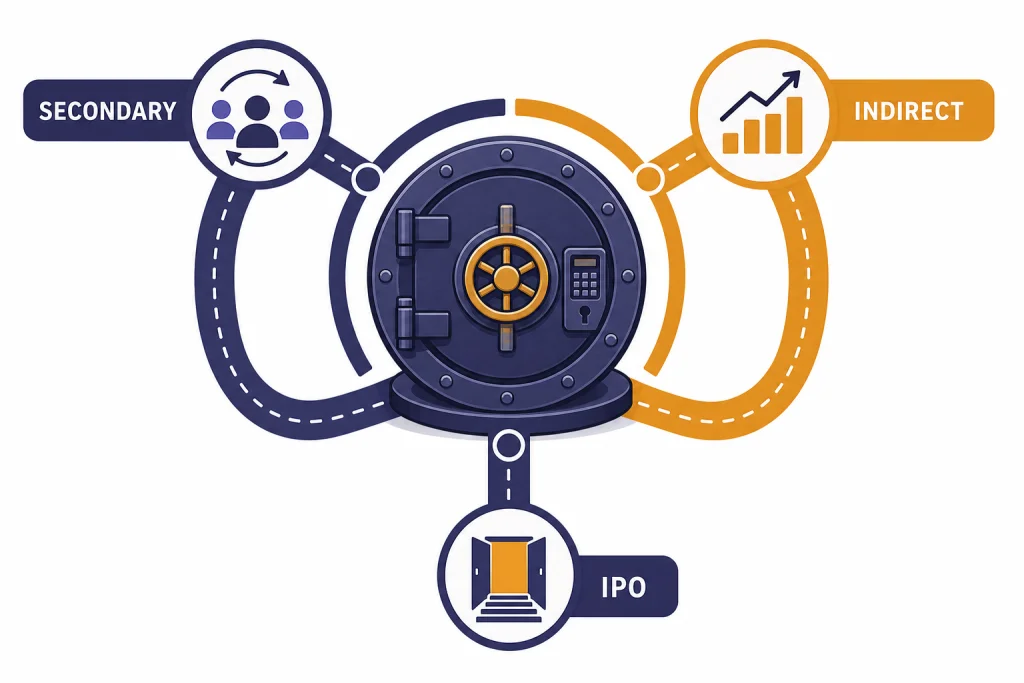
OpenAI stock is not available on the NYSE, Nasdaq, or any ordinary brokerage account because OpenAI is still private. There is no official OpenAI stock ticker, public share price, or confirmed IPO date. Accredited investors may be able to seek indirect pre-IPO access through private secondary marketplaces or private funds, but those routes are limited, illiquid, expensive, and subject to company approvals. Retail investors generally have to wait for an IPO or use imperfect substitutes, such as public companies with business exposure to OpenAI. The key fact is simple: you cannot buy OpenAI stock the same way you buy Microsoft, Nvidia, or Amazon stock today.
Can you buy OpenAI stock before the IPO?
Most investors cannot buy OpenAI stock before the IPO. OpenAI remains a private company, and OpenAI has not published an official IPO date or public ticker. A Reuters report said OpenAI was preparing for a possible IPO that could value the company at up to $1 trillion and could involve a filing as soon as the second half of 2026, but the same report quoted an OpenAI spokesperson saying an IPO was not the company’s focus and that it could not have set a date.[10][11]
The practical answer depends on who you are. Accredited investors may be able to pursue private-market access if shares are available. Everyone else should treat OpenAI as a watchlist company, not a normal listed stock. If you want the broader company context before reading the investment mechanics, start with our OpenAI history and OpenAI ownership structure guides.
OpenAI stock status: ticker, share price, and IPO date
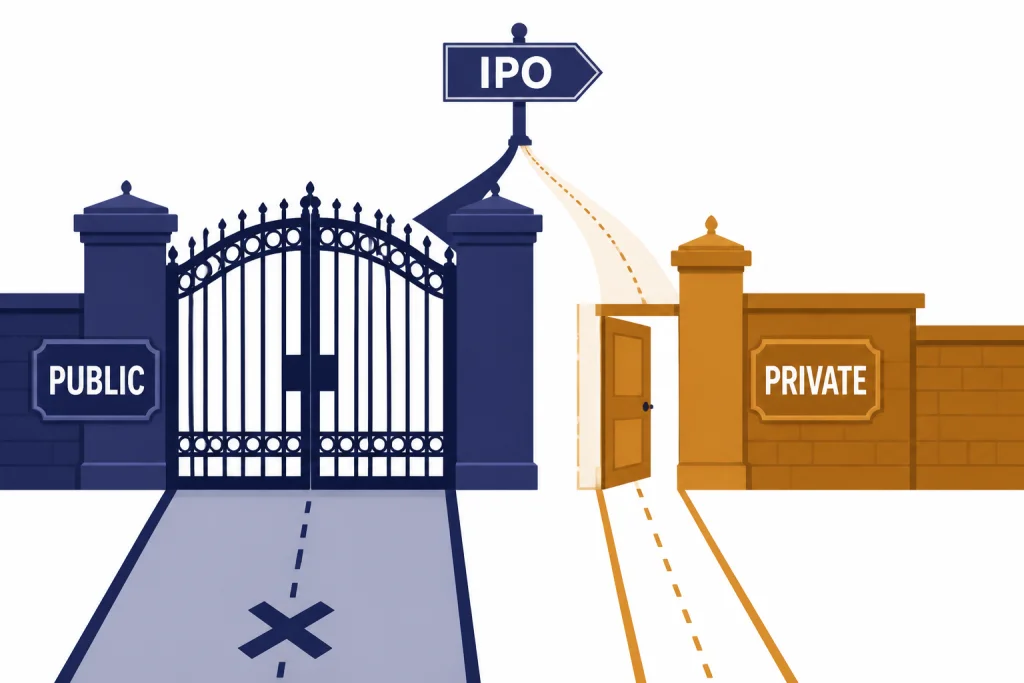
OpenAI stock has no public ticker symbol. It is not listed on Nasdaq or the NYSE, so quotes you see online are not official public-market prices. Forge and NerdWallet both describe OpenAI as not publicly traded, while Forge says accredited investors may be able to seek shares through private marketplaces if sellers and approvals are available.[15][16]
OpenAI’s structure also makes the stock question more complex than a typical startup. OpenAI says the nonprofit is now the OpenAI Foundation, the for-profit entity is OpenAI Group PBC, and the Foundation continues to control OpenAI Group through special voting and governance rights.[1][3] Microsoft said its investment in OpenAI Group PBC was valued at about $135 billion and represented roughly 27 percent on an as-converted diluted basis after the recapitalization.[2][3]
That structure matters for investors because a future IPO would likely involve OpenAI Group PBC, not the nonprofit mission organization by itself. It also means an investor has to understand both economics and governance. For a deeper breakdown of the company’s leadership, see our guide to OpenAI’s CTO and leadership team, and for the largest strategic shareholder relationship, read OpenAI and Microsoft.
Why OpenAI stock is in demand
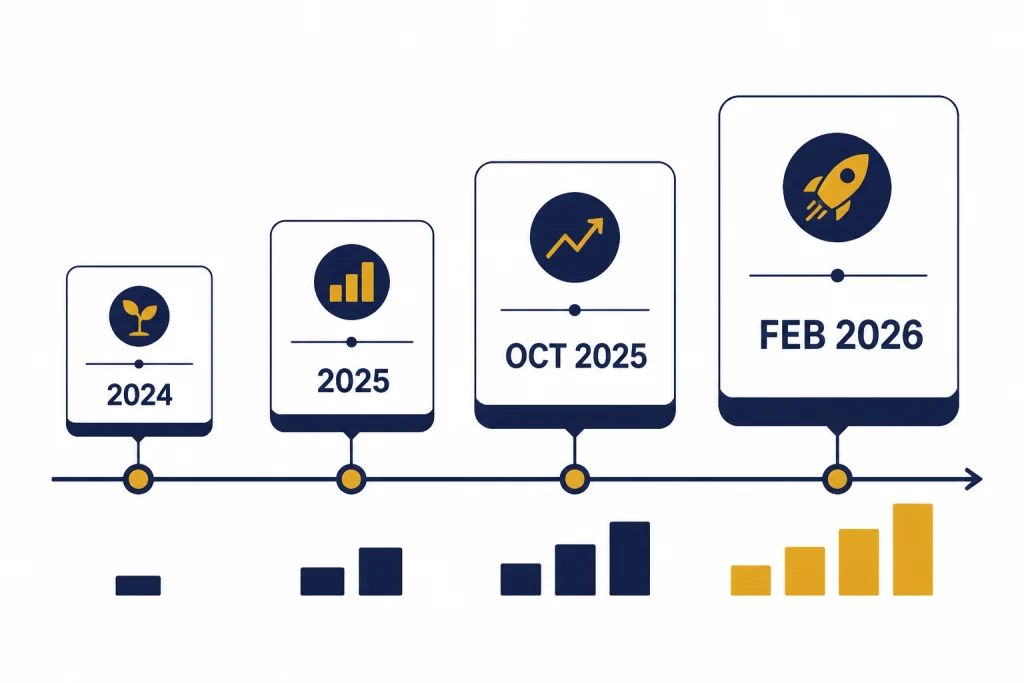
Demand for OpenAI stock comes from the same forces that make OpenAI difficult to value: rapid product adoption, enormous compute needs, strategic partnerships, and a private-market scarcity premium. OpenAI announced $110 billion in new investment at a $730 billion pre-money valuation on February 27, 2026, including $50 billion from Amazon, $30 billion from NVIDIA, and $30 billion from SoftBank.[4][5] Axios also reported the same $110 billion funding figure from Amazon, NVIDIA, and SoftBank on February 27, 2026.[6][4]
The new round followed several earlier financing milestones. OpenAI said it raised $6.6 billion at a $157 billion post-money valuation on October 2, 2024.[7][16] OpenAI later announced $40 billion at a $300 billion post-money valuation on March 31, 2025, while SoftBank separately disclosed a related agreement to invest up to $40 billion.[8][9] The result is a company whose private valuation has moved faster than most public-company multiples can comfortably explain.
| Milestone | What changed | Investment or valuation | Why it matters to OpenAI stock |
|---|---|---|---|
| October 2, 2024 funding | OpenAI announced new funding to scale its AI products. | $6.6 billion raised at a $157 billion post-money valuation.[7][16] | Set a high private-market baseline before the later restructuring. |
| March 31, 2025 funding | OpenAI announced SoftBank-led funding to build toward AGI. | $40 billion at a $300 billion post-money valuation.[8][9] | Showed that OpenAI could raise mega-round capital before public markets. |
| October 28, 2025 recapitalization | OpenAI completed its PBC recapitalization under nonprofit control. | The OpenAI Foundation held a 26 percent stake worth about $130 billion at closing; Microsoft held roughly 27 percent after the recapitalization.[1][3] | Created a cleaner equity story for investors, while keeping mission control with the Foundation. |
| February 27, 2026 funding | OpenAI announced new investment from Amazon, NVIDIA, and SoftBank. | $110 billion at a $730 billion pre-money valuation.[4][5] | Made OpenAI one of the most closely watched pre-IPO companies in technology. |
Ways to invest in OpenAI before the IPO
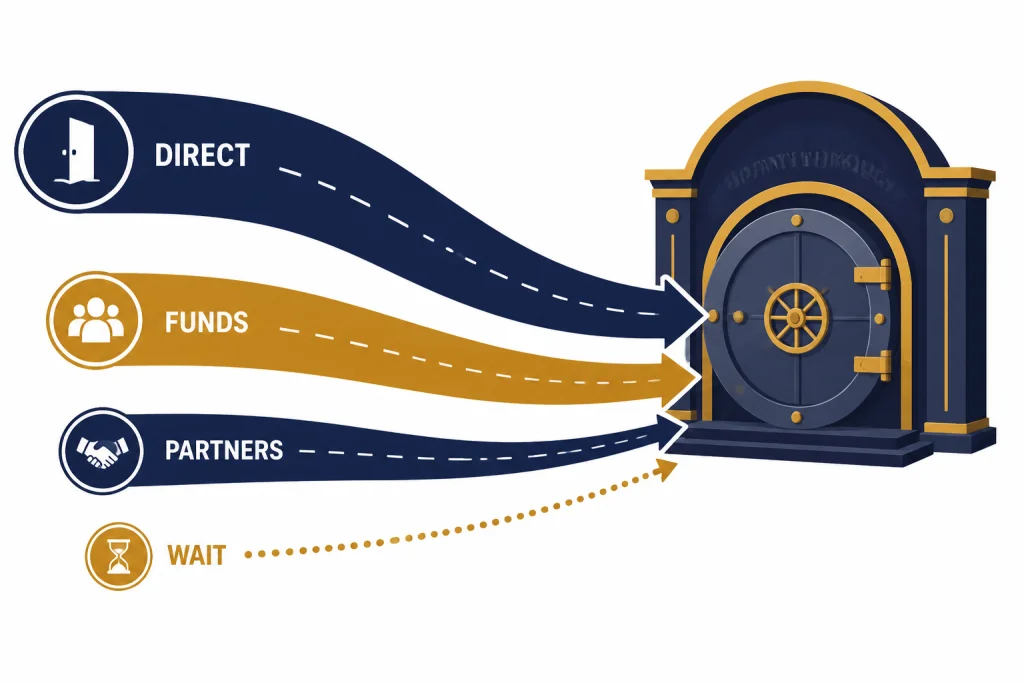
There are several ways to seek exposure to OpenAI before an IPO, but none are the same as buying a listed stock. Each route has different eligibility rules, fees, liquidity, and purity of exposure. The best option for most readers is often to wait for a public filing rather than chase opaque pre-IPO access.
| Route | Who can use it | How close it is to owning OpenAI | Main limitation |
|---|---|---|---|
| Private secondary shares | Usually accredited investors; SEC and CRS list common individual thresholds as more than $1 million in net worth excluding a primary residence, or income over $200,000 individually or $300,000 with a spouse or partner in each of the prior two years.[13][14] | Closest route if the buyer receives actual OpenAI economic exposure. | Availability is uncertain, transfers can require approvals, and pricing is negotiated rather than exchange-set.[15][12] |
| Private funds or SPVs | Often accredited investors or qualified clients, depending on the structure. | Can provide exposure to OpenAI if the fund actually holds OpenAI interests. | Fees, lockups, and fund terms can matter as much as the headline OpenAI allocation. |
| Public companies with OpenAI ties | Any investor with a brokerage account can buy listed companies, subject to normal suitability and risk. | Indirect. Microsoft, Amazon, NVIDIA, Oracle, and others may have business ties to OpenAI, but their stocks are not OpenAI stock. | OpenAI may be a small part of a much larger business, so the exposure is diluted. |
| Wait for the IPO | Potentially all public-market investors if OpenAI lists shares publicly. | Direct exposure if the IPO creates freely tradable public shares. | There is no official OpenAI IPO date, and reported plans could change.[10][11] |
The direct route is the most intuitive but also the hardest. Forge says accredited investors may be eligible to buy pre-IPO OpenAI stock through a secondary marketplace, but that access depends on existing shareholders choosing to sell while OpenAI remains private.[15][16] Investor.gov warns that pre-IPO investing is a common area for promoters and scams, especially when investors are promised early access to a famous company before it goes public.[12][13]
Public-company substitutes are easier, but they are not pure. Buying Microsoft is not the same as buying OpenAI, even though Microsoft is a major shareholder and partner. Buying NVIDIA is not the same as buying OpenAI, even though OpenAI depends on advanced compute infrastructure. If you want to understand the developer and infrastructure side of the business, compare our Azure OpenAI Service vs OpenAI API guide and our OpenAI API pricing reference.
How private OpenAI shares work
A private stock transaction is not a simple market order. A seller, often an employee or early investor, must be willing and able to sell. A buyer must meet eligibility requirements. The company’s transfer rules, right-of-first-refusal provisions, and approval process can also affect whether a transaction closes.
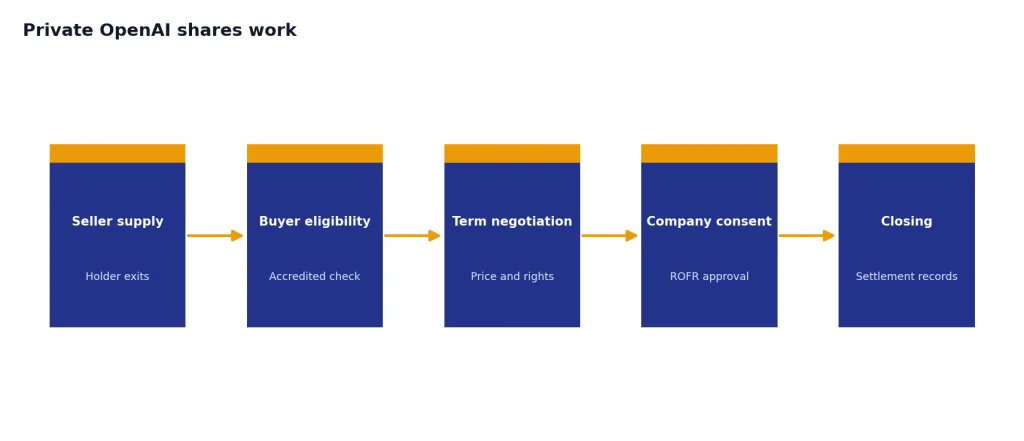
Forge describes private-market OpenAI access as dependent on whether existing shareholders list shares for sale, and it notes that the availability of pre-IPO OpenAI stock can change with liquidity and corporate-structure factors.[15][16] The SEC says many private offerings are limited to accredited investors or contain restrictions on non-accredited investors.[13][14] That is why a pre-IPO marketplace may ask for financial documentation before letting an individual view or bid on shares.
Private shares also come with different economics. A buyer may be purchasing common shares, preferred shares, fund interests, or special-purpose vehicle interests. Each can have different rights. A headline valuation may not tell you whether your security has liquidation preferences, transfer restrictions, management fees, carry, or delayed settlement. If a seller is offering an SPV rather than direct shares, the investor may own an interest in a vehicle that owns exposure, not the underlying OpenAI shares themselves.
That detail matters because OpenAI is still evolving. The company moved from its older capped-profit structure to a public benefit corporation structure, while OpenAI says the OpenAI Foundation continues to control OpenAI Group and holds conventional equity in it.[1][3] The cleaner equity structure is one reason IPO speculation increased, but it does not eliminate private-market complexity.
Risks before buying OpenAI stock pre-IPO
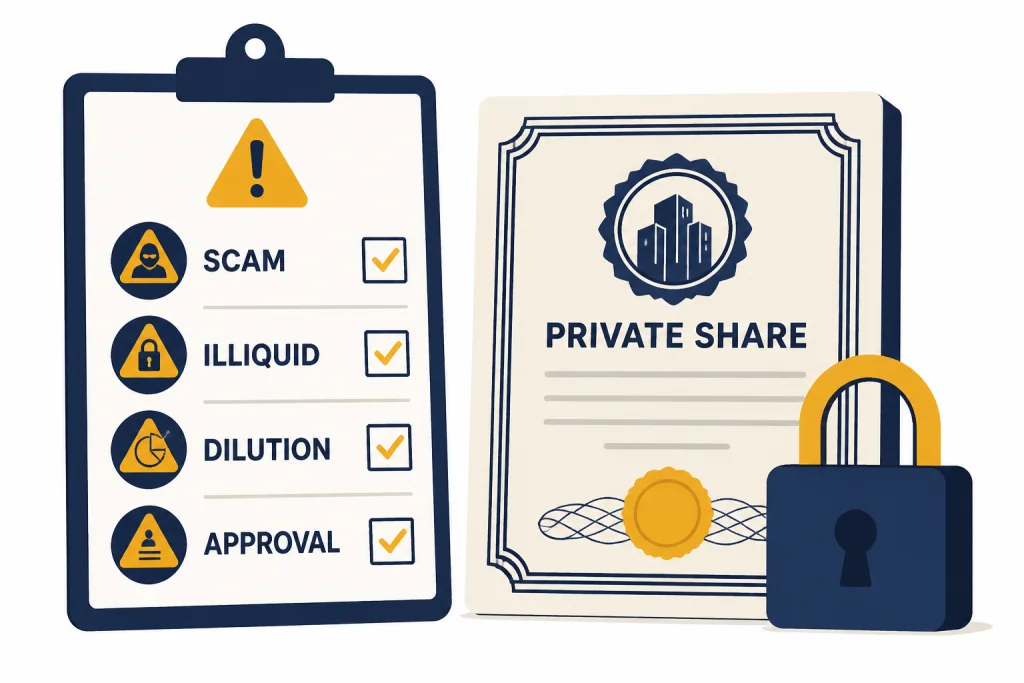
The first risk is fake access. Investor.gov says pre-IPO investing can involve promoters promising early access to a startup before it goes public, and the SEC says private offerings must either be registered or qualify for an exemption.[12][13] If someone offers “guaranteed OpenAI IPO allocation,” “OpenAI tokens,” or a simple wire transfer for private shares, verify the broker-dealer, the offering documents, the security type, and the seller’s authority before considering anything else.
The second risk is illiquidity. Public stocks trade continuously. Private shares may not. Forge says private-market access depends on willing sellers and company-specific factors, and its educational material notes that liquidity depends on whether existing shareholders decide to sell.[15][16] A buyer may be locked in until an IPO, tender offer, acquisition, or approved secondary sale.
The third risk is valuation. OpenAI’s private valuation has risen from $157 billion in the October 2024 round to a $730 billion pre-money valuation in the February 2026 round.[7][4] That does not mean the next tradable public price must be higher. It means sophisticated investors accepted those terms in specific private transactions, often with strategic considerations that ordinary investors may not share.
The fourth risk is business concentration. OpenAI’s growth story depends on demand for AI products, enterprise adoption, compute supply, model quality, regulatory trust, and the durability of large partnerships. The Stargate Project was announced as a company intending to invest $500 billion over four years in AI infrastructure for OpenAI in the United States.[17][18] That scale can support growth, but it also shows how capital-intensive the company’s strategy is.
The fifth risk is governance. OpenAI is not a conventional software company with a simple founder-led cap table. The Foundation controls OpenAI Group, and Microsoft has a large strategic stake and extensive commercial rights.[1][2] Investors should understand that mission governance, safety oversight, partner rights, and public benefit obligations may affect decisions that a purely profit-maximizing company might handle differently. For related context, see our coverage of Sam Altman vs Elon Musk and Suchir Balaji.
Analysis: the access, price, and liquidity framework
Use a simple three-part framework before trying to invest in OpenAI stock: access, price, and liquidity. Access asks whether you can legally and practically buy the security. Price asks whether the terms make sense after fees, security type, and dilution. Liquidity asks how and when you can sell.
Access is the first filter. If you are not accredited, direct private-market access is usually unavailable. SEC and CRS materials describe the common individual accredited investor thresholds as net worth over $1 million excluding a primary residence, or income over $200,000 individually or $300,000 with a spouse or partner for the prior two years with a reasonable expectation of continuing.[13][14] If a platform says those rules do not matter, that is a warning sign.
Price is the second filter. A private-market seller may ask for a premium because OpenAI shares are scarce. A fund may charge management fees and performance fees. A public-company substitute may trade at a premium because investors expect AI demand to lift the whole ecosystem. In each case, the headline “OpenAI exposure” can hide a very different economic deal.
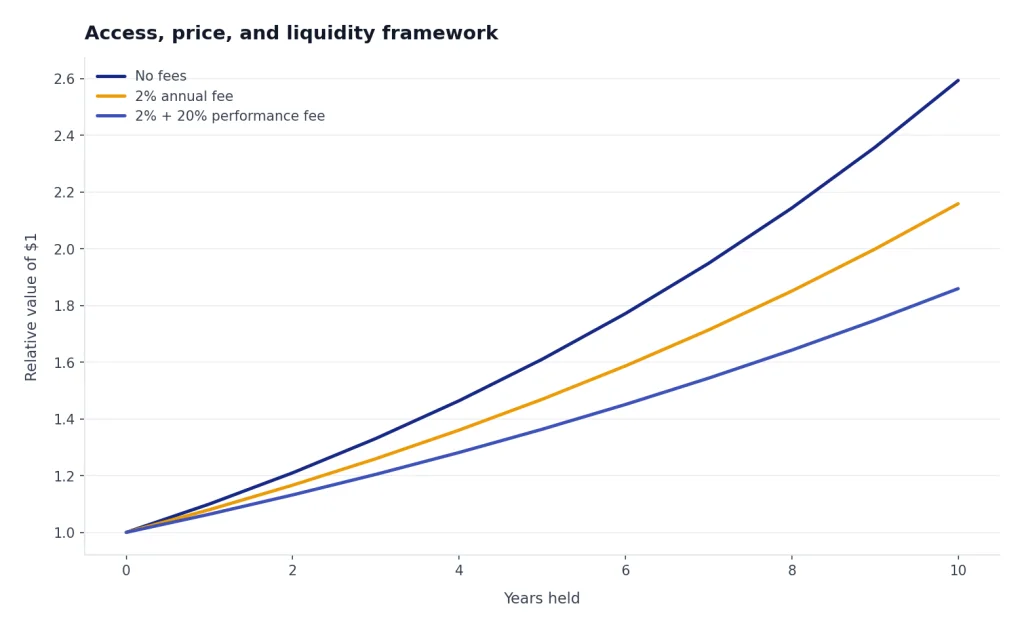
Liquidity is the third filter and often the most important. If you buy a public stock, you can usually sell during market hours. If you buy private OpenAI exposure, your exit may depend on a future IPO, a tender offer, company approval, or a secondary buyer. That can be acceptable for patient, risk-tolerant investors, but it is not a substitute for cash or a diversified public equity portfolio.
This framework leads to a conservative conclusion. If you cannot explain the security type, the fee stack, the transfer restrictions, the valuation basis, and the exit path in plain English, you should not treat the investment as comparable to buying a listed technology stock. OpenAI may become a public company, but pre-IPO access is still private-market risk.
What an OpenAI IPO would change
An IPO would change access first. Public listing would let ordinary investors buy OpenAI shares through normal brokerage accounts, subject to the final exchange, ticker, share availability, and brokerage rules. It would also create public filings that investors could use to evaluate revenue, losses, cash burn, customer concentration, related-party arrangements, legal risks, and governance.
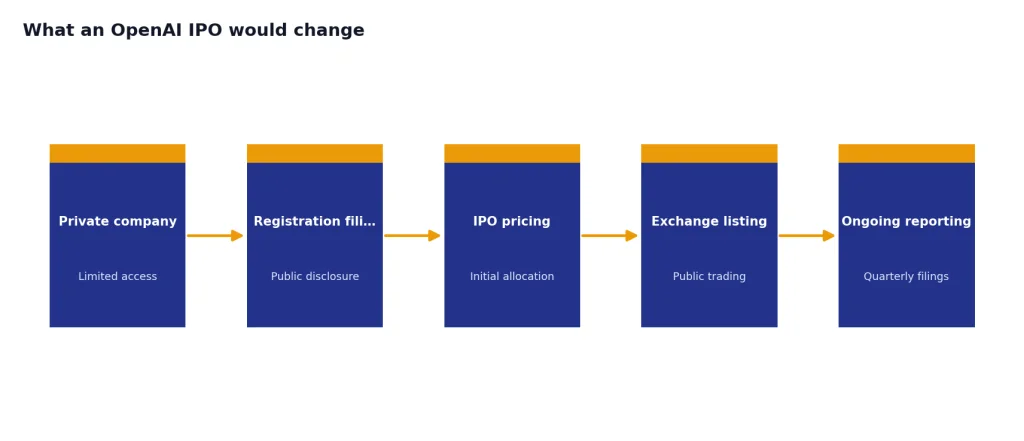
An IPO would also change valuation discipline. Today, investors rely on private funding rounds, secondary-market indications, and media reports. A public listing would create a continuous market price, but that price could be volatile. The Reuters report on possible OpenAI IPO preparations said timing and figures could change based on business growth and market conditions.[10][11]
The most important document would be the first public registration statement. Until that appears, investors should be careful about projected revenue, valuation targets, and rumored allocations. OpenAI’s official pages explain its structure and fundraising, but OpenAI has not published a confirmed IPO date, ticker, or public share price. That absence is more important than any private-market quote.
Frequently asked questions
What is the OpenAI stock symbol?
There is no official OpenAI stock symbol because OpenAI is not publicly traded. Forge and NerdWallet both describe OpenAI as a private company whose shares are not available through ordinary public stock exchanges.[15][16] If you see a supposed OpenAI ticker before an IPO, treat it as unofficial unless it appears in a public filing and on a recognized exchange.
Can I buy OpenAI stock on Robinhood, Fidelity, Schwab, or E-Trade?
You cannot buy public OpenAI stock through a standard brokerage account because there is no listed OpenAI stock. Some brokerages may offer funds or listed companies with indirect AI exposure, but that is not the same as buying OpenAI. OpenAI’s February 27, 2026 funding round was private, not a public listing.[4][5]
Who can buy OpenAI shares before the IPO?
Direct pre-IPO access is generally limited to institutional investors and accredited investors. SEC and CRS materials list common individual accredited investor thresholds as net worth over $1 million excluding a primary residence, or income over $200,000 individually or $300,000 with a spouse or partner in each of the prior two years.[13][14] Even if you qualify, availability depends on sellers, transfer rules, and platform access.
When is the OpenAI IPO date?
OpenAI has not published an official IPO date. Reuters reported that OpenAI was considering a filing as soon as the second half of 2026, but it also quoted an OpenAI spokesperson saying the company could not have set a date.[10][11] Treat any exact IPO date circulating online as speculation unless OpenAI files public registration documents.
What is OpenAI worth?
OpenAI’s latest announced private round as of this article was $110 billion at a $730 billion pre-money valuation on February 27, 2026.[4][5] Earlier official funding milestones included $6.6 billion at a $157 billion post-money valuation in October 2024 and $40 billion at a $300 billion post-money valuation in March 2025.[7][8] Private valuations are transaction terms, not guaranteed future public prices.
Is buying Microsoft stock the same as buying OpenAI stock?
No. Microsoft said it held an investment in OpenAI Group PBC valued at about $135 billion, representing roughly 27 percent on an as-converted diluted basis after the recapitalization.[2][3] But Microsoft is a diversified public company, and its share price reflects many businesses beyond OpenAI. Microsoft can be indirect exposure, not a pure OpenAI investment.
Is pre-IPO OpenAI stock safe?
No pre-IPO investment should be treated as safe. Investor.gov warns that pre-IPO investing is a frequent setting for fraud because promoters can promise access to a popular company before it goes public.[12][13] Private OpenAI exposure can also be illiquid, hard to value, and subject to transfer restrictions. Only consider it with money you can afford to lock up or lose.
What to watch next
Watch for a public registration filing, not rumors. A real IPO process would give investors audited financials, risk factors, share-class details, governance terms, and proposed listing information. Until then, OpenAI stock remains a private-market opportunity for a limited investor base.
The bottom line is that OpenAI may become one of the most important technology listings of the decade, but it is not a normal public stock yet. If you want direct exposure, wait for official filings. If you pursue pre-IPO access, verify the security, the seller, the fees, and the exit path before you think about valuation.