What ChatGPT Stands For: GPT Explained Simply
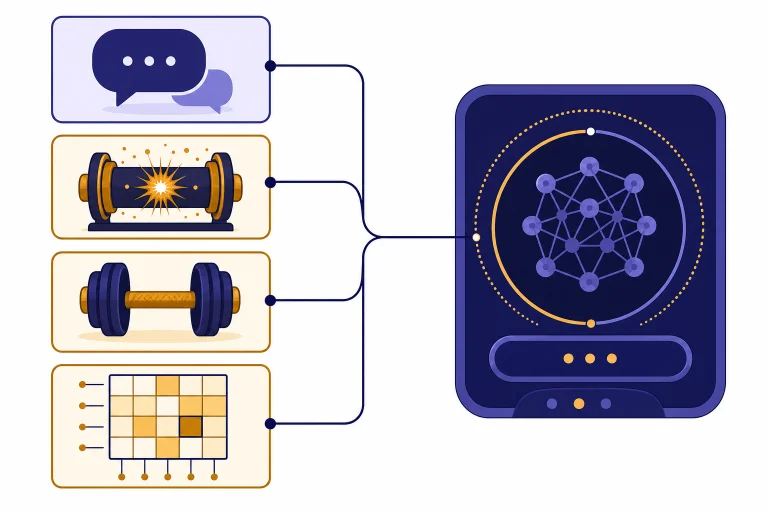
ChatGPT stands for Chat Generative Pre-trained Transformer. Learn what each word means, why GPT matters, and how the name relates to AI chatbots.
ChatGPT stands for Chat Generative Pre-trained Transformer. Learn what each word means, why GPT matters, and how the name relates to AI chatbots.
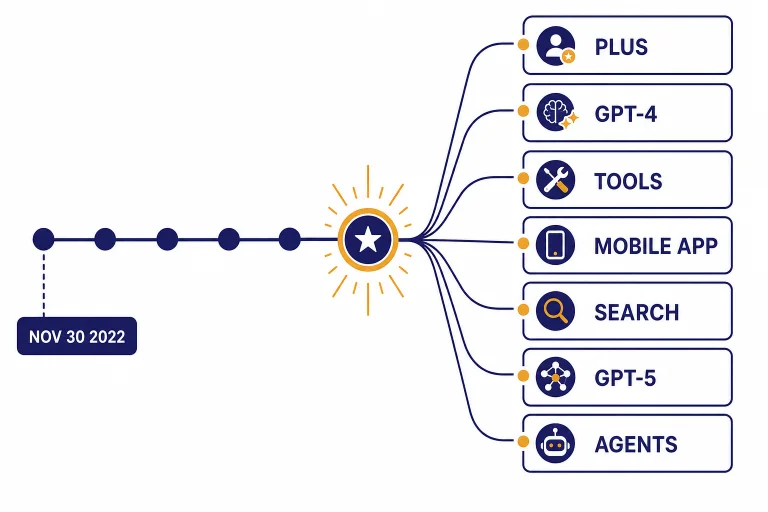
ChatGPT was released on November 30, 2022. Here is the full timeline from the first research preview to GPT-5.2 in 2026.
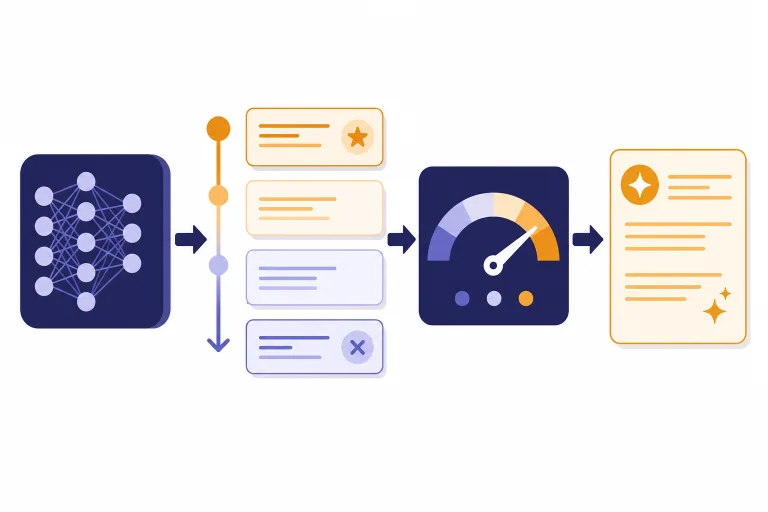
RLHF means reinforcement learning from human feedback. Learn how it trains AI assistants, why it matters for ChatGPT, and where it falls short.
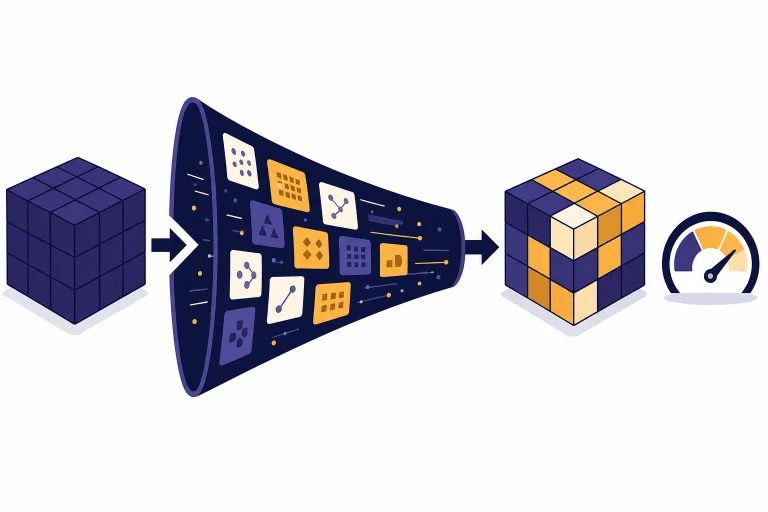
Fine-tuning in AI means adapting a pre-trained model with examples so it performs a specific task, style, format, or workflow more reliably.
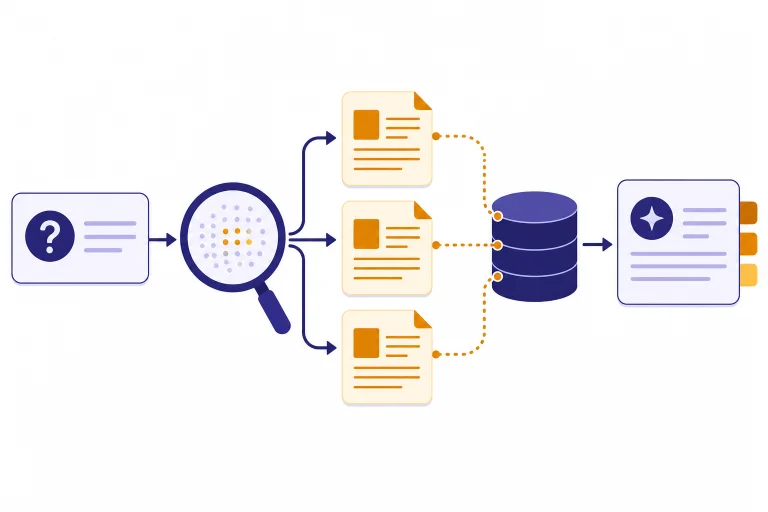
RAG is retrieval-augmented generation: an AI pattern that lets language models search outside knowledge before answering, with strengths and limits.
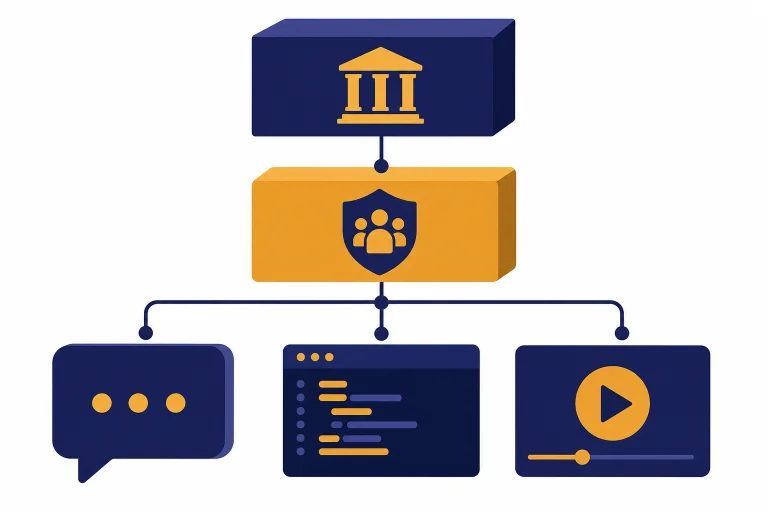
OpenAI is the AI research and deployment company behind ChatGPT. Learn its mission, structure, products, and why it matters.
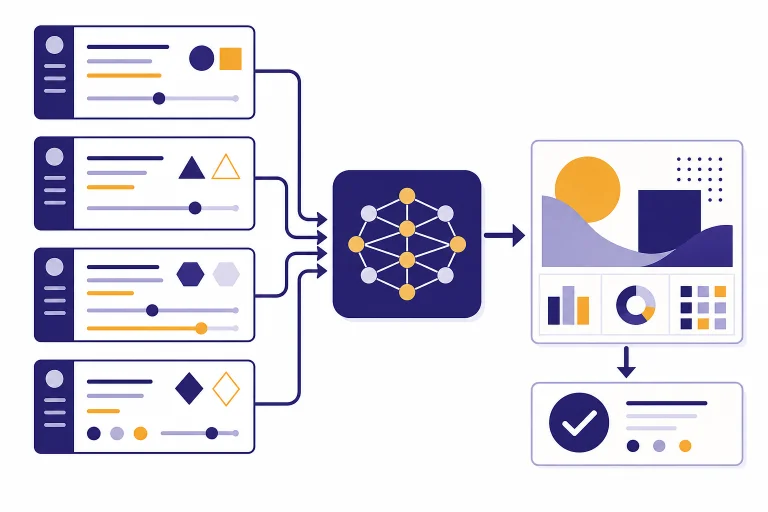
Prompt engineering is the skill of writing clear AI instructions. Learn how prompts work, which skills matter, and whether prompt engineering is a career.

Multimodal AI explained in plain English: how models combine text, images, audio, and video, where ChatGPT fits, and what the limits are.
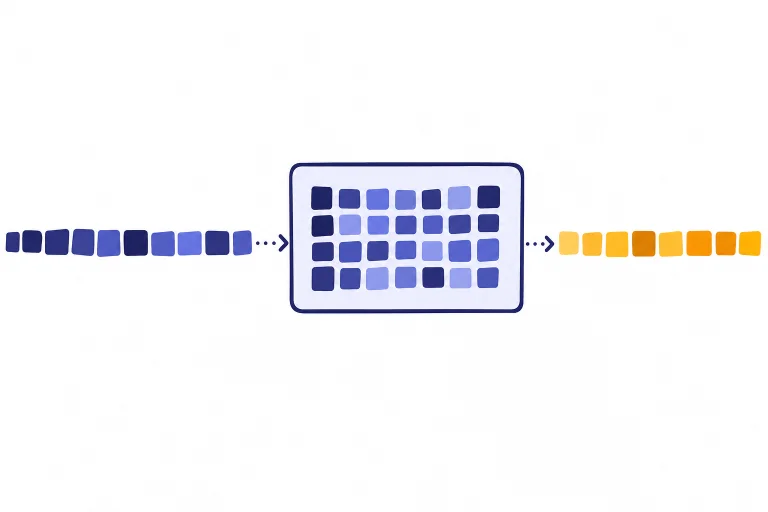
A token in ChatGPT is a piece of text the model reads and writes. Learn how tokens relate to words, context limits, costs, and prompt length.

ChatGPT is owned by OpenAI. Learn how the OpenAI Foundation, OpenAI Group PBC, Microsoft, employees, and 2026 investors fit into the ownership structure.
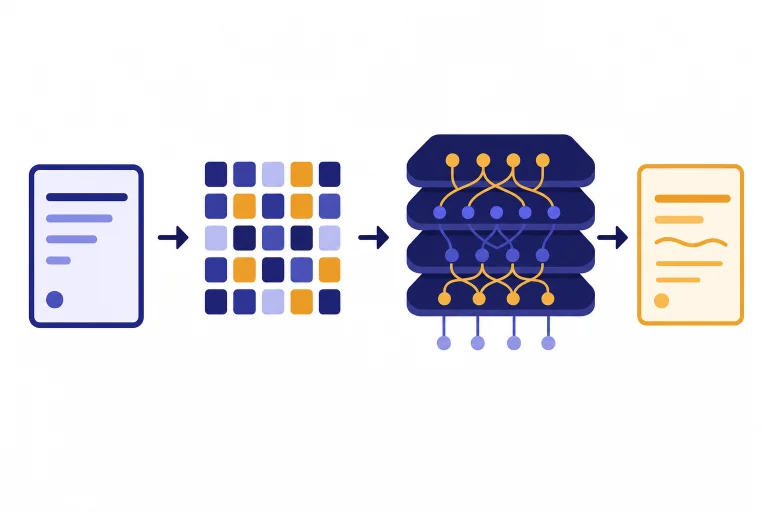
A large language model, or LLM, is an AI model trained to process and generate language. Learn how LLMs work, what they can do, and where they fail.

Generative AI creates new text, images, audio, video, code, and more from prompts. Learn how it works, where ChatGPT fits, and how to use it safely.