
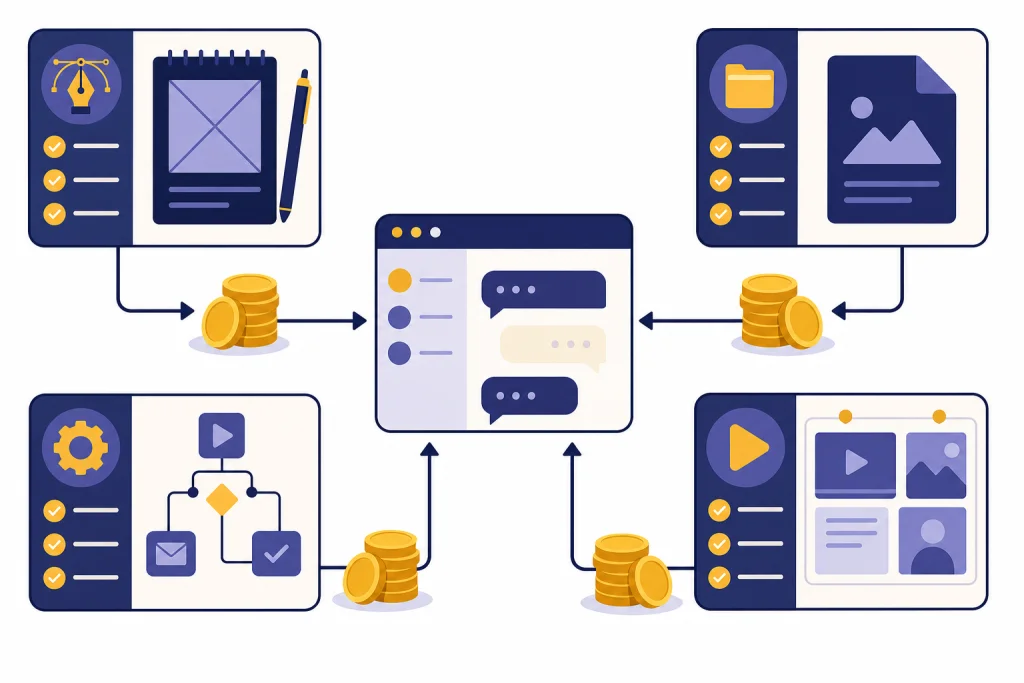
The best way to use ChatGPT to make money online is not to ask it for a magic business idea. Use it to make a real offer faster: research a niche, draft client deliverables, package digital products, build small automations, or improve content workflows. ChatGPT can reduce the time it takes to plan, write, analyze, and revise, but it does not replace judgment, distribution, customer service, or proof of quality. Treat it as a production assistant. Pick one marketable skill, define a narrow customer problem, use ChatGPT to speed up the work, then sell the outcome rather than the prompt.
Start with an offer, not a prompt
Most people fail with ChatGPT side hustles because they start with the tool instead of the buyer. A buyer does not pay for a ChatGPT conversation. A buyer pays for a finished result: a cleaned-up landing page, a customer support macro library, a product description set, a lead list, a video outline, a newsletter draft, or a simple automation that saves time.
Before opening ChatGPT, write one sentence that names the customer, the problem, and the deliverable. Example: I help local service businesses turn messy reviews and FAQs into a searchable customer service knowledge base. That sentence is stronger than I sell AI prompts because it describes an outcome.
ChatGPT is useful because it can help you move from blank page to draft, from scattered notes to structure, and from rough idea to testable offer. OpenAI lists ChatGPT features such as search, canvas, data analysis, vision, file uploads, image generation, deep research, GPTs, and app connections across its plans, with availability varying by plan.[1] Those features matter only when they support a saleable workflow.
If you are new to the platform, start with what ChatGPT is and how it works. If you already understand the basics, focus your energy on the customer problem, not the novelty of the model.
Practical ways to make money with ChatGPT
There are many possible ChatGPT income ideas, but most fall into a few practical categories. The table below separates beginner-friendly offers from work that requires domain experience. Use it to choose a path that matches your current skills.
| Income path | What you sell | How ChatGPT helps | Best fit | Main risk |
|---|---|---|---|---|
| Freelance services | Client deliverables such as copy, research briefs, support docs, resumes, scripts, or SOPs | Drafting, restructuring, editing, summarizing, and checklist creation | People with writing, marketing, admin, design, or operations experience | Low-quality generic output |
| Digital products | Templates, guides, planners, niche prompt packs, worksheets, or course materials | Outline creation, examples, formatting, and product variations | People who know a specific niche or workflow | Selling thin AI-generated content |
| Business automations | Simple workflows for intake, FAQs, reporting, lead routing, or content operations | Logic mapping, test cases, help text, and code drafts | People comfortable with no-code tools, APIs, or operations | Privacy and reliability issues |
| Creator workflows | Research, scripts, newsletters, SEO briefs, affiliate content, or repurposing systems | Topic clustering, outlines, title testing, summaries, and editing | Creators, marketers, and niche publishers | Publishing undifferentiated content |
Marketplace demand supports the broader point that buyers want AI-enabled work, not just AI talk. Upwork reported that demand for top AI-enabled skills more than doubled year over year in its 2026 in-demand skills report, while also saying hiring for human expertise remained strong across work categories.[4] That is the right mental model: use ChatGPT to make skilled work faster, clearer, and easier to deliver.
For a broader companion article, read how to make money with ChatGPT in 2026. This page focuses on the practical workflow you can use to choose and execute one path.
Freelance client work
Freelancing is the most direct way to make money with ChatGPT because you can sell a service before building a product. You do not need a large audience. You need a narrow service, a simple portfolio sample, and a clear reason a client should trust you.
Good ChatGPT-assisted freelance offers include:
- Turning customer reviews into website copy and FAQ pages.
- Creating onboarding emails for coaches, consultants, or software companies.
- Writing and editing YouTube outlines, podcast show notes, and newsletters.
- Building support macros and help center drafts for small ecommerce brands.
- Creating interview prep documents, resumes, or cover letter drafts with human review.
- Summarizing long documents into executive briefs for busy teams.
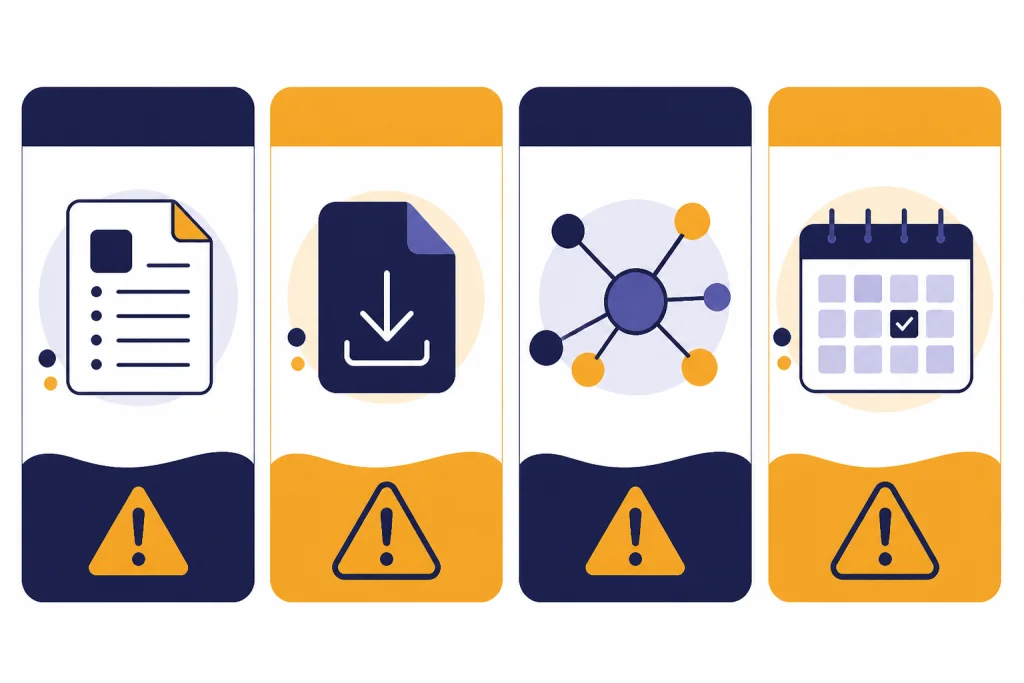
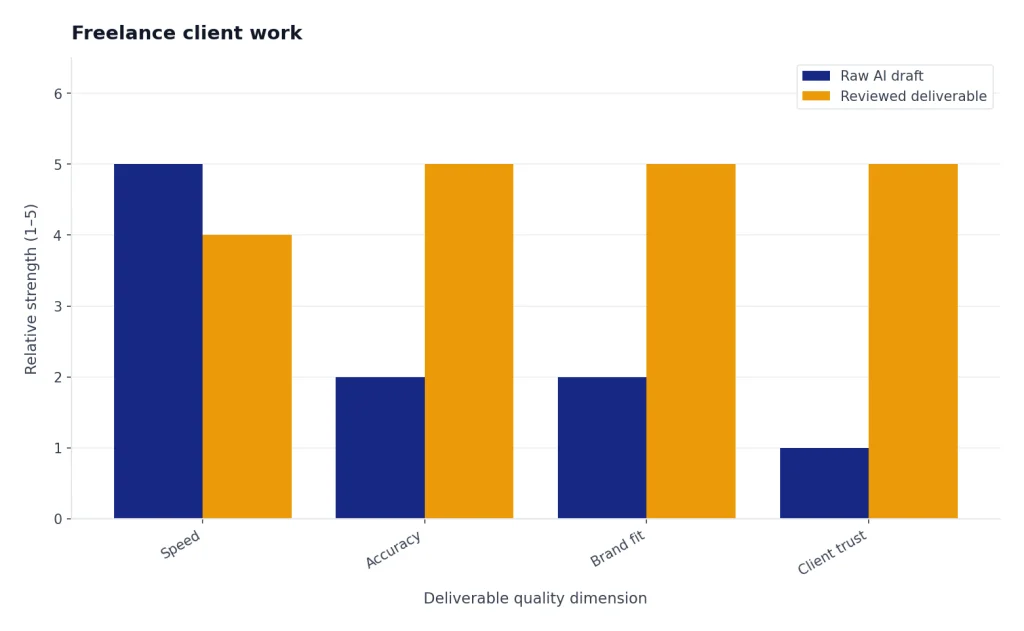
The best service packages include human steps that ChatGPT cannot fully replace. Interview the client. Check facts. Match brand voice. Remove hallucinated claims. Add screenshots, examples, or field knowledge. Then deliver a clean file, not a chat transcript.
A simple starter package might be: I will turn your top customer questions into a polished FAQ page, ten support replies, and three homepage copy blocks. ChatGPT can cluster the questions, draft the replies, and suggest structure. You still review accuracy and decide what should be published.
If you want to specialize professionally, compare the market for Prompt Engineering Jobs, ChatGPT Jobs, and prompt engineering salary in 2026. Those paths usually require more than clever prompting. Employers and serious clients expect process design, evaluation, subject-matter knowledge, and communication.
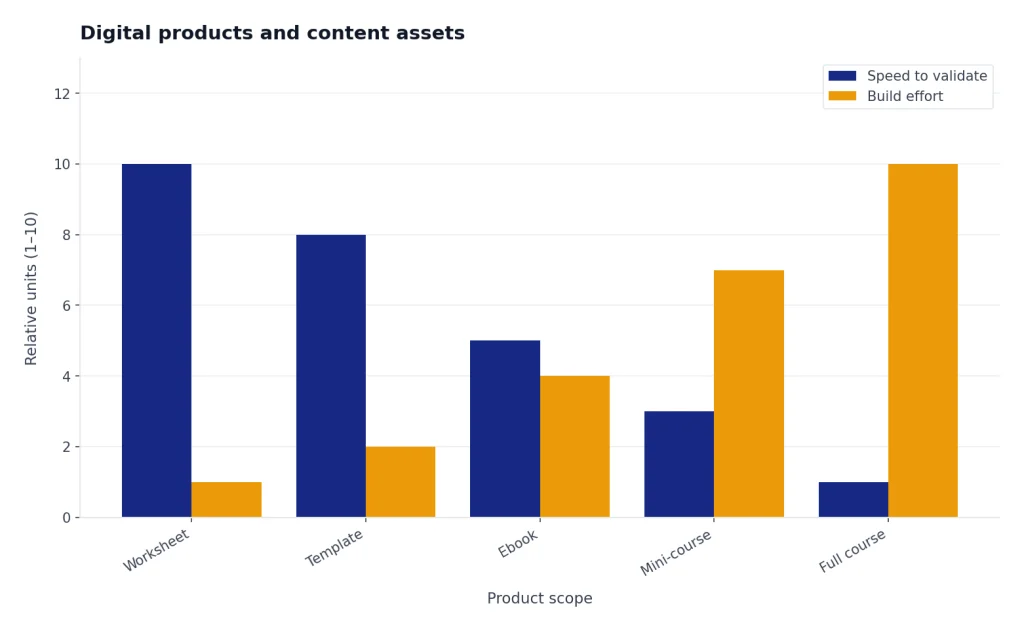
Digital products and content assets
Digital products can work when they solve a specific recurring problem. They usually fail when they are generic prompt bundles with no niche, no examples, and no proof. A useful product helps a buyer complete a task faster.
Examples include a meal planning worksheet for busy parents, a client intake template for photographers, a grant research checklist for nonprofits, a script planning system for fitness creators, or a business plan workbook for solo founders. ChatGPT can help outline the product, draft instructions, create sample use cases, and write product descriptions. Your job is to add taste, specificity, testing, and market knowledge.
Start with a micro-product before building a large course. Choose one narrow workflow. Create a plain document or spreadsheet. Test it with a few real users. Improve the confusing parts. Only then turn it into a polished template, ebook, or mini-course.
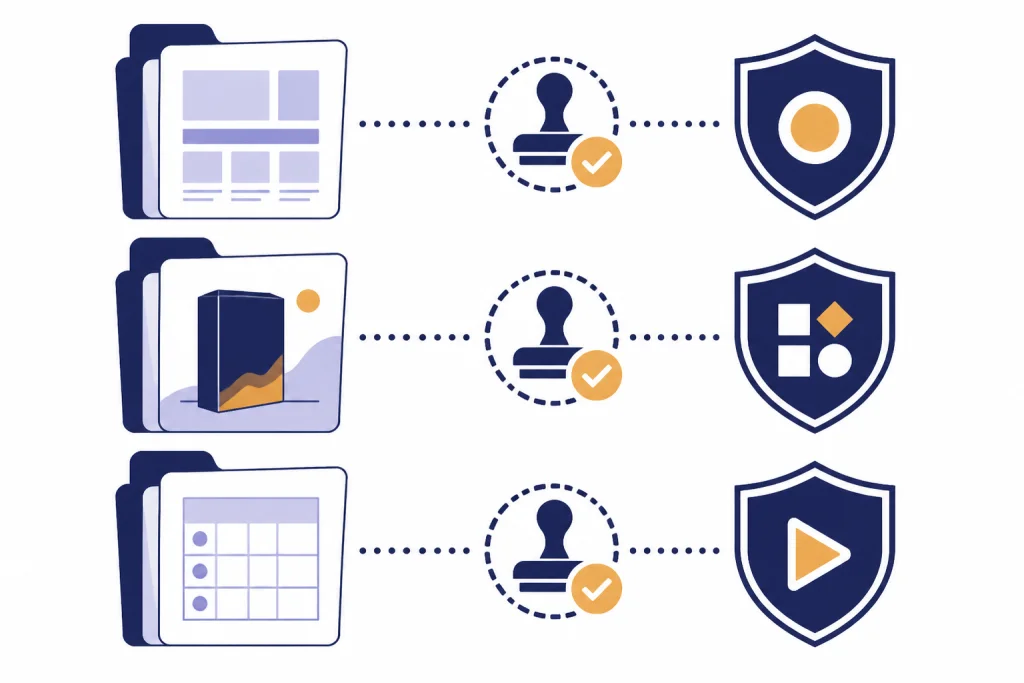
Platform rules matter. Amazon KDP says publishers must inform it of AI-generated text, images, or translations when publishing a new book or making edits and republishing through KDP.[6] Etsy says it allows AI-generated art when the seller applies a creative lens and is transparent about the process.[7] Those rules are not identical, so check the policy of the platform where you plan to sell.
If your product idea is still vague, use a planning article such as the ChatGPT business plan generator or a naming workflow like the ChatGPT business name generator. Treat these as scaffolding, not as a substitute for customer research.
Small business automations
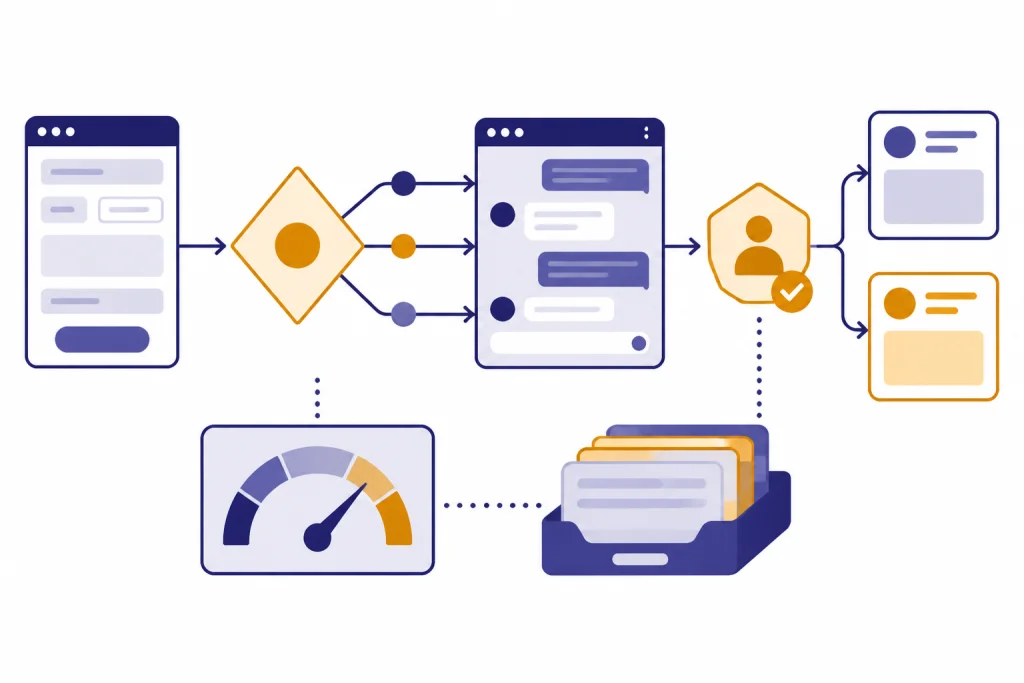
Small business automation is a higher-value path because it connects ChatGPT to a business process. The deliverable might be a lead intake form that drafts follow-up emails, a support triage workflow, a report summarizer, or a content calendar assistant.
You do not have to build a complex software company. Many businesses need small, practical fixes. A dentist may need review response drafts. A home services company may need intake summaries from form submissions. A consultant may need meeting notes turned into action items. ChatGPT can help map the process and draft the text, while no-code tools or the OpenAI API can connect the steps.
If you use the API, calculate the cost before quoting the client. OpenAI’s API pricing page lists model and tool prices, and it states that Batch API processing saves 50% on inputs and outputs when work can run asynchronously over a 24-hour window.[9] That can matter for bulk tasks such as classifying support tickets, rewriting product descriptions, or summarizing large batches of notes.
Automation services also raise responsibility. Do not put confidential client data into a casual chat without permission. Do not promise perfect accuracy. Build review steps into the workflow. For customer-facing systems, consider a human approval queue before messages go out.
For service teams, our guide to chatgpt customer service covers helpdesk use cases in more detail. If you build with the API, keep OpenAI API Errors bookmarked for troubleshooting.
Audience, affiliate, and creator workflows
ChatGPT can also support money-making workflows around an audience. This includes newsletters, YouTube channels, niche blogs, online communities, and affiliate sites. The tool can help you research questions, group topics, draft outlines, turn long videos into short posts, and build editorial calendars.
The money usually comes from ads, sponsorships, affiliate commissions, products, services, or memberships. ChatGPT does not create those revenue streams by itself. It helps you produce and organize the work behind them.
For example, a YouTuber can ask ChatGPT to turn a rough idea into a hook, outline, shot list, and description draft. A newsletter writer can ask it to compare angles, summarize reader questions, and create a first draft from original notes. A niche publisher can ask it to create content briefs from real search intent and then add human reporting, examples, and testing.
YouTube requires disclosure for certain altered or synthetic content and says disclosed videos may receive a label in the description field.[8] If you use AI-generated voices, realistic synthetic people, altered footage, or potentially confusing edits, review the platform’s current disclosure rules before publishing.
For a creator-specific workflow, see ChatGPT for YouTubers. The same planning pattern applies to other niches, including content around ChatGPT for fitness, cooking, personal finance, and education.
A repeatable ChatGPT workflow
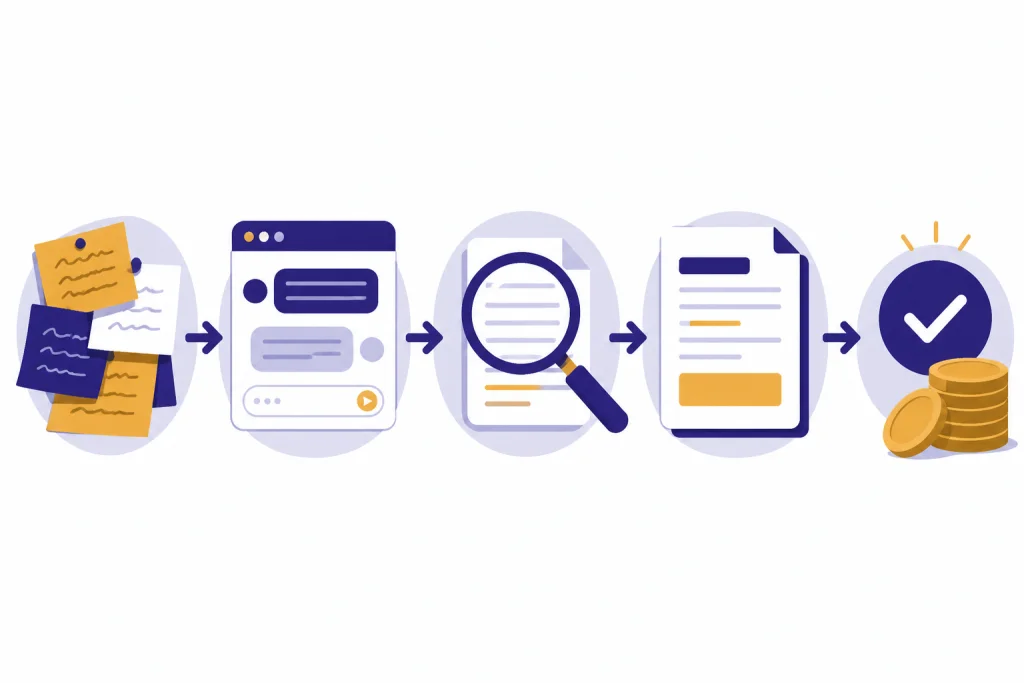
A good ChatGPT workflow is structured. Do not ask for a finished business in one prompt. Move through discovery, drafting, critique, revision, and delivery.
Use this basic sequence
- Define the buyer. Tell ChatGPT who the customer is, what they sell, and what problem they have.
- Define the deliverable. Specify the format, length, tone, constraints, and what the final file should contain.
- Provide raw material. Add notes, transcripts, reviews, survey answers, product details, or examples with permission.
- Ask for structure first. Get an outline, workflow map, or table before asking for polished copy.
- Draft in pieces. Generate one section at a time so you can steer quality.
- Critique the output. Ask ChatGPT to identify vague claims, missing evidence, risky promises, or unclear instructions.
- Human-review the final result. Check facts, tone, compliance, and usefulness before sending or publishing.
Here is a practical prompt template:
You are helping me create a paid deliverable for [customer type]. The customer problem is [problem]. The final deliverable is [format]. Use the raw notes below. First, create a structure. Then identify missing information. Do not invent facts. Flag anything that needs verification. Raw notes: [paste approved notes]This prompt works because it gives ChatGPT a role, customer, problem, output format, and constraint. You can reuse the same structure for client work, product planning, internal automation, and content workflows.
Costs, privacy, and platform policy checks
You can begin testing many ideas with the free version of ChatGPT, but paid plans may offer broader access to features and usage depending on the plan. OpenAI says the free version is available to everyone and that paid ChatGPT plans are priced per user per month.[1] Do not buy a higher tier until you know which feature saves time or improves deliverable quality.
Ownership is another common concern. OpenAI’s Terms of Use state that, as between you and OpenAI and to the extent permitted by law, you retain rights in your input and own the output.[2] That does not mean every output is safe to sell without review. You still need to avoid plagiarism, trademark problems, false claims, privacy violations, and platform policy violations.
Privacy depends on product type and settings. OpenAI says it does not use data from ChatGPT Enterprise, ChatGPT Business, ChatGPT Edu, ChatGPT for Healthcare, ChatGPT for Teachers, or the API platform by default to train or improve its models.[3] Its ChatGPT pricing page separately shows that consumer plans have an opt-out available for content training, while Business and Enterprise are listed as not used for training.[1] If you handle client material, ask permission, redact sensitive details, and choose the right workspace.
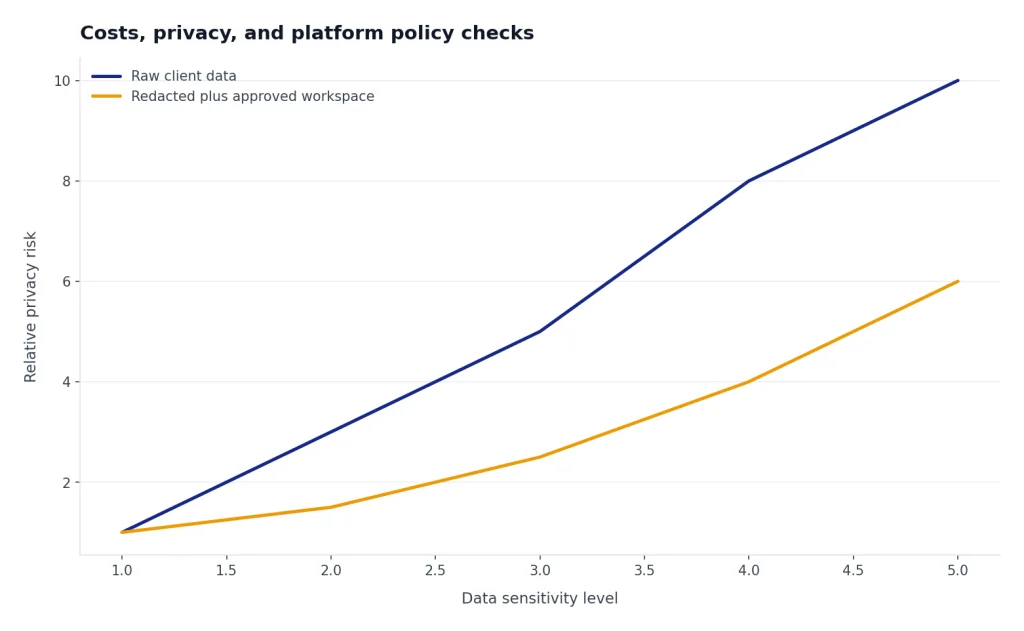
Freelance platforms also have rules. Fiverr says it allows content generated by users or generative AI tools, but sellers must still follow standards related to rights, privacy, and platform values.[5] That is a useful reminder for every marketplace: AI use rarely removes your responsibility for the final deliverable.
Common mistakes to avoid
The biggest mistake is selling raw AI output. Clients can generate generic text themselves. Your value comes from diagnosis, editing, accuracy, taste, and execution.
- Do not sell vague prompt packs. Sell a workflow, template, or outcome tied to a specific buyer.
- Do not claim expertise you do not have. ChatGPT can help draft, but it cannot make you a lawyer, accountant, doctor, or licensed advisor.
- Do not skip fact-checking. Treat generated claims as drafts until verified.
- Do not ignore disclosure rules. KDP, Etsy, YouTube, Fiverr, and other platforms apply different standards.
- Do not compete only on speed. Compete on better questions, stronger examples, and cleaner delivery.
- Do not automate sensitive decisions without review. Keep humans involved in hiring, finance, health, legal, and customer-impacting decisions.
The safer path is boring but effective. Pick a narrow problem. Build one sample. Offer it to a few real buyers. Use ChatGPT to improve the process. Raise your price only when the result is demonstrably useful.
If you want to understand the other side of the market, read how does ChatGPT make money?. Understanding OpenAI’s business model can help you think more clearly about subscriptions, API costs, and why usage limits change over time.
Frequently asked questions
Can I really make money with ChatGPT?
Yes, but ChatGPT is not the business by itself. It helps you produce, research, organize, and revise work faster. You still need a buyer, a clear offer, distribution, and quality control.
What is the easiest ChatGPT side hustle to start?
Freelance service work is usually the easiest because you can sell one clear deliverable before creating a full product. Start with something practical, such as FAQ pages, customer reply templates, content briefs, or document summaries. Avoid offering generic AI writing with no niche.
Can I sell content created with ChatGPT?
OpenAI’s Terms of Use say you own output as between you and OpenAI, subject to applicable law.[2] That does not remove your duty to check facts, avoid copying protected work, and follow marketplace disclosure rules. Treat ChatGPT output as a draft that needs human review.
Do I need ChatGPT Plus or a paid plan to make money?
No. You can test many offers with the free version first. Upgrade only when a paid feature clearly improves your workflow, such as file handling, deeper analysis, more usage, or business privacy controls.
Is prompt engineering still a real career?
Prompting alone is rarely enough. Strong candidates combine prompts with evaluation, subject-matter expertise, workflow design, and communication. If you want that path, compare training options in our prompt engineering certification guide.
What should I avoid putting into ChatGPT?
Do not paste confidential client data, private customer records, trade secrets, medical records, legal files, or financial details unless you have permission and are using an appropriate workspace. Redact sensitive information when possible. For business use, review OpenAI’s business data controls and your client’s own data policies.