
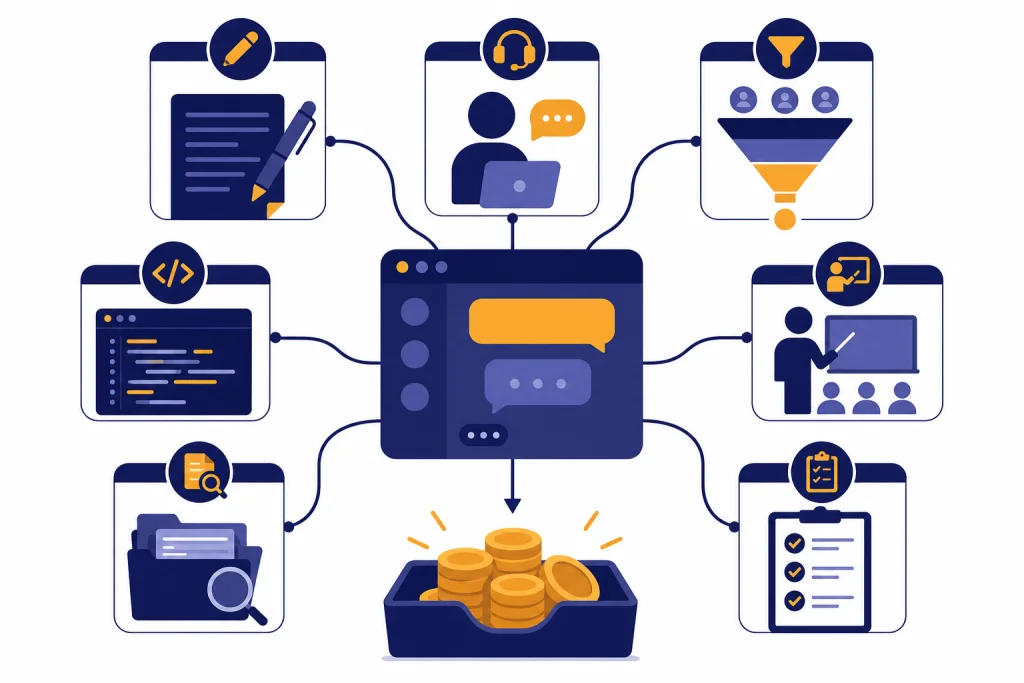
To make money with ChatGPT in 2026, use it as leverage on a real skill, not as the product itself. The practical paths are productized services, customer support automation, research and analysis, content operations, training, sales enablement, and small software tools built on the API. The money comes from a business result: faster publishing, cleaner support queues, better leads, documented workflows, or a working prototype. ChatGPT can draft, summarize, classify, code, and generate options, but you still need judgment, client access, quality control, and a clear offer. Start narrow, sell a repeatable outcome, and upgrade tools only after a buyer proves demand.
The realistic answer: sell outcomes, not prompts
The reliable way to make money with ChatGPT is to attach it to an existing business problem. Clients do not pay because you can type prompts. They pay because you remove work, improve a process, or produce a deliverable they can use. A restaurant owner wants better local marketing. A support manager wants fewer repeated tickets. A consultant wants client reports finished faster. A founder wants a clearer pitch, plan, or prototype.
That distinction matters because generic AI output is now easy to produce. The advantage is not access. The advantage is judgment. You decide what information to gather, what to ignore, what to verify, and how to turn rough model output into something a buyer trusts.
Market signals support practical AI skills, not get-rich claims. McKinsey’s State of AI research shows that organizations are using AI across more business functions, while Upwork’s 2026 in-demand skills report points to demand for AI-enabled freelance work.[12][11] Treat those signals as evidence of buyer interest, not proof that every ChatGPT side hustle works.
If you want a job track instead of a freelance track, start with prompt engineering jobs, compare prompt engineering salary data, and use prompt engineering certification options only when a credential supports a portfolio you can show.
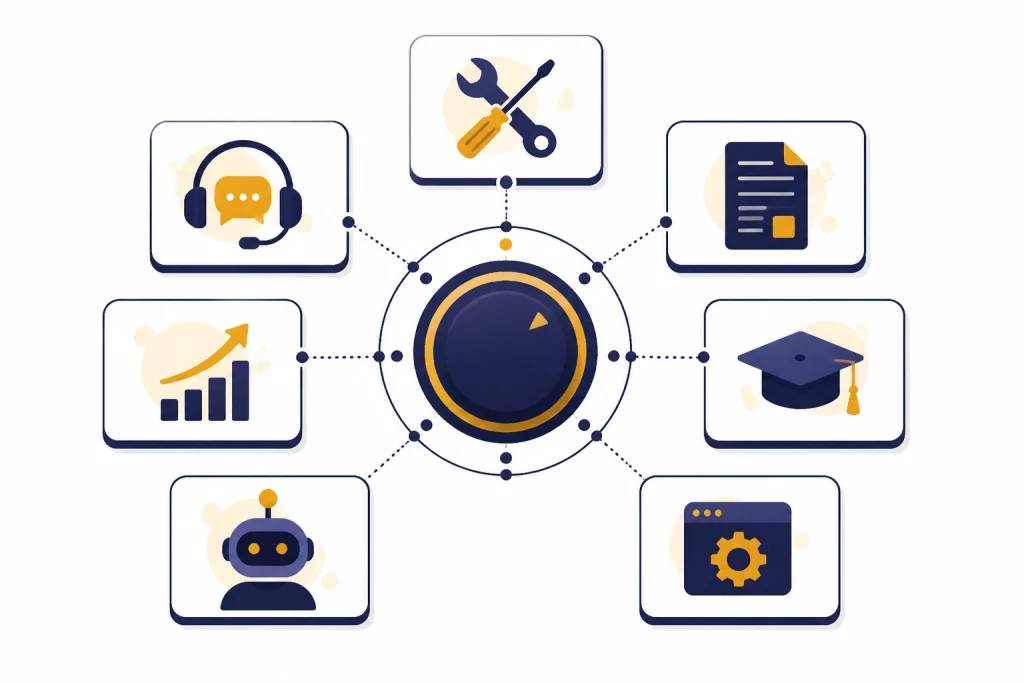
Pick the income model that matches your advantage
The best ChatGPT income model depends on what you already have. Writers should not start by building software. Developers should not sell vague prompt packs. Operators should sell workflow cleanup. Teachers should sell training. Choose the path where your existing proof makes the buyer feel safe.
| Income model | What you sell | Best first buyer | How ChatGPT helps | Main risk |
|---|---|---|---|---|
| Productized services | Audits, briefs, SOPs, reports, content systems | Small businesses with repeat work | Speeds research, drafting, analysis, and formatting | Selling output without strategic review |
| Customer service automation | FAQ maps, macros, knowledge bases, triage workflows | Ecommerce, SaaS, local service firms | Classifies repeated issues and drafts consistent replies | Ignoring escalation, privacy, or edge cases |
| Content operations | Newsletter systems, scripts, repurposing workflows, editorial calendars | Founders, agencies, creators | Turns raw notes into structured drafts and variants | Publishing unverified or generic content |
| Sales enablement | Buyer research, proposal drafts, call summaries, objection libraries | B2B service firms | Synthesizes prospect context and improves follow-up speed | Sending spam or false personalization |
| Training and enablement | Workshops, playbooks, team templates, internal prompt libraries | Teams adopting AI for the first time | Converts workflows into repeatable instructions | Teaching theory without workflow proof |
| Custom GPTs and internal assistants | Workspace helpers for policies, support, onboarding, or research | Teams with repeated questions | Wraps instructions, files, and workflows into a usable assistant | Assuming a public GPT will automatically pay you |
| API products | Niche tools, classifiers, report generators, workflow add-ons | Buyers who need AI inside an existing process | Puts model output inside software instead of a chat window | Underestimating API cost, support, and reliability |
Custom GPTs can be useful demos or internal tools. OpenAI documents ways to share a GPT by link, within a workspace, or through the GPT Store, and public GPTs must meet plan, policy, and product requirements.[9] OpenAI has not published an official figure for this as a general guaranteed payout schedule for every GPT builder, so do not build your income plan around unverified GPT Store revenue.
The highest-probability path: productized AI services
For most beginners, the highest-probability path is a service package with a clear scope. Services are easier to sell before you have an audience or software product. They also teach you what buyers actually want. After you repeat the same service enough times, you can turn the process into templates, training, or software.
A strong package has a defined input and output. For customer support, the input might be recent tickets, current help articles, and escalation rules. The output might be a top-issue report, rewritten macros, a refreshed help center outline, and an internal ChatGPT workflow for agents. Start with ChatGPT customer service buildout if you want to sell implementation or when the buyer already has a support function.
Other useful productized services include a founder content engine, a proposal improvement system, an internal policy assistant, a hiring-screen checklist, or a monthly competitive research brief. ChatGPT helps you process source material quickly, but the deliverable should carry your review. Clients should feel that they bought a finished business asset, not a transcript.
The easiest package to sell is often an audit followed by implementation. The audit exposes waste. The implementation fixes it. That structure lowers buyer risk because the first deliverable shows whether you understand the business before the client commits to a larger engagement.
Build offers ChatGPT can actually improve
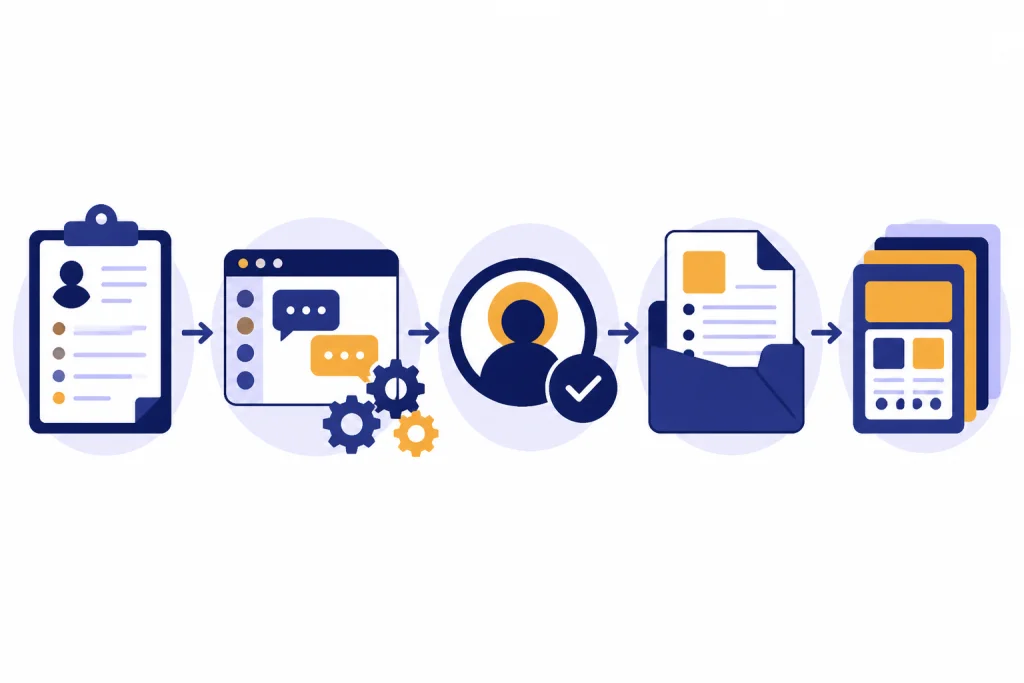
Good ChatGPT offers start with messy client material. Meeting notes, support tickets, product pages, customer reviews, call recordings, internal policies, sales decks, and spreadsheets all give the model something specific to transform. Weak offers start with a blank prompt and promise magic.
Strong offers have a before and after
- Before: A founder has scattered notes. After: a clearer positioning brief, landing page outline, and launch checklist.
- Before: A support team answers the same questions repeatedly. After: grouped issues, reviewed replies, and escalation rules.
- Before: A consultant spends hours turning calls into reports. After: structured summaries, recommendations, and client-ready drafts.
- Before: A new owner has an idea but no plan. After: a draft model, market questions, and next-step assumptions using ChatGPT business plan templates.
Name and positioning work can also be a useful starter offer, but only if you add market context, trademark checks, and human selection criteria. A ChatGPT business name generator workflow is a starting point, not the final judgment.
Weak offers only promise output
A weak offer says, “I will create AI content.” A stronger offer says, “I will turn your founder interviews into a reviewed newsletter system your team can run.” A weak offer says, “I will write prompts.” A stronger offer says, “I will document your sales follow-up workflow so every rep can send accurate, on-brand next steps after calls.” The buyer should understand what changes after the work is done.
Use ChatGPT to find and close clients
ChatGPT can help with client acquisition, but it should not be used to flood inboxes with generic outreach. Use it to research a buyer, form a hypothesis, draft a short note, and prepare for the call. The final message should still sound like you and refer to a real business problem.
Start with one buyer type. Examples include Shopify stores with outdated help centers, solo consultants with inconsistent publishing, local clinics with confusing service pages, or B2B agencies with messy proposal workflows. Gather public material, ask ChatGPT to identify likely friction, then create a short audit sample. The sample is the proof. It is more persuasive than a long explanation of AI.
Role: You are my B2B offer researcher. I sell a service that turns messy support tickets and help articles into a cleaner knowledge base and response workflow. Review the public material I provide. Identify likely repeated questions, missing help topics, unclear language, and one low-risk pilot offer I could propose. Do not invent facts. Separate observations from assumptions.Use ChatGPT again after calls. Paste your notes, ask for objections, risks, and a proposal outline. Then rewrite the proposal yourself. Your goal is not to hide the tool. Your goal is to use it to think more clearly and respond faster.
Turn workflows into assets or software
Once a service repeats, capture the workflow. Save the intake questions, prompts, checklists, review criteria, and deliverable templates. These assets let you deliver faster, train contractors, or sell a lighter version of the service.
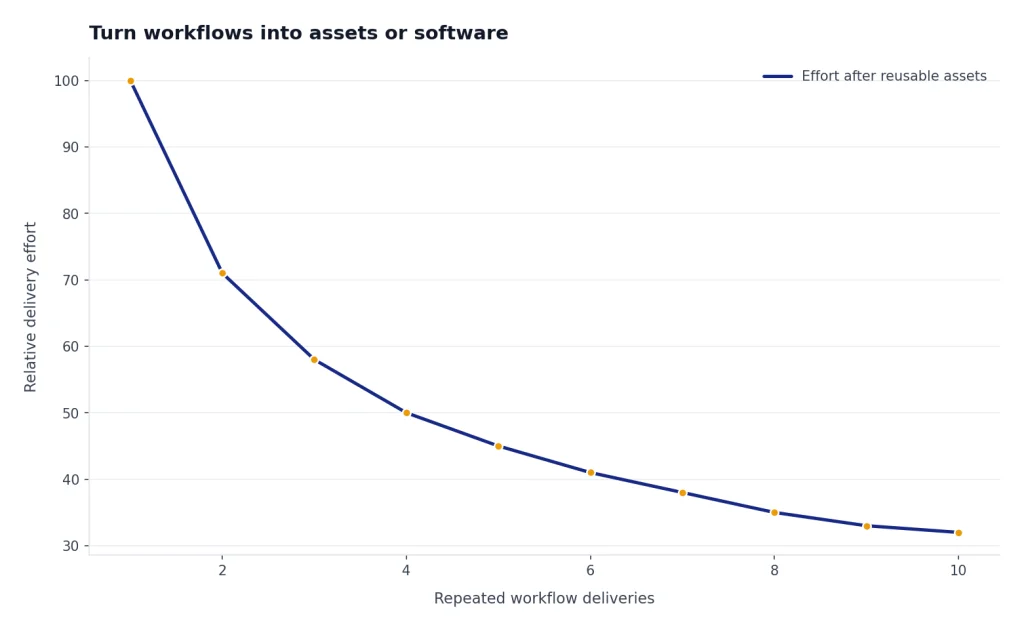
Some workflows belong inside ChatGPT. A custom GPT can help a client answer internal questions, draft on-brand responses, or follow a documented checklist. Other workflows belong in software. If the buyer needs AI inside a dashboard, form, CRM, or website, you are moving from ChatGPT services into API work.
ChatGPT subscriptions and API usage are billed separately, so do not assume a paid ChatGPT plan covers API usage for a product or client integration.[3] Before you quote a software project, review the OpenAI API pricing breakdown and build a usage estimate. For asynchronous work such as nightly report generation or large classification jobs, OpenAI’s Batch API documentation says Batch can reduce costs by 50 percent and complete jobs within a 24-hour turnaround window.[5] See the Batch API cost-saving guide if your workload does not need instant responses.
The product path can be powerful, but it adds support, uptime, privacy, and billing work. Start with a service until you know the exact repeated problem. Then build the smallest tool that removes a painful step.
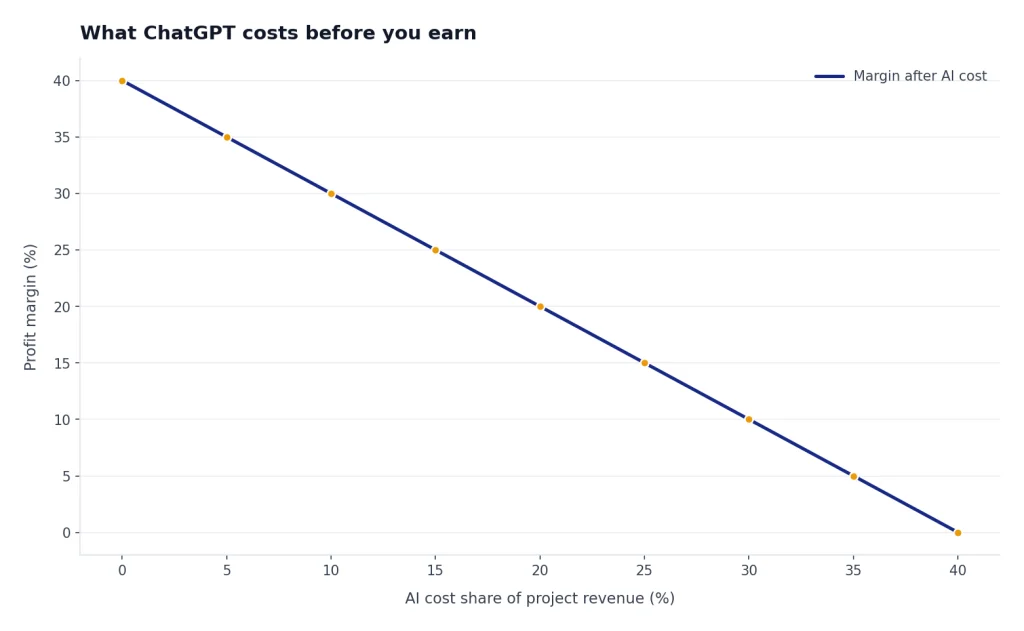
What ChatGPT costs before you earn
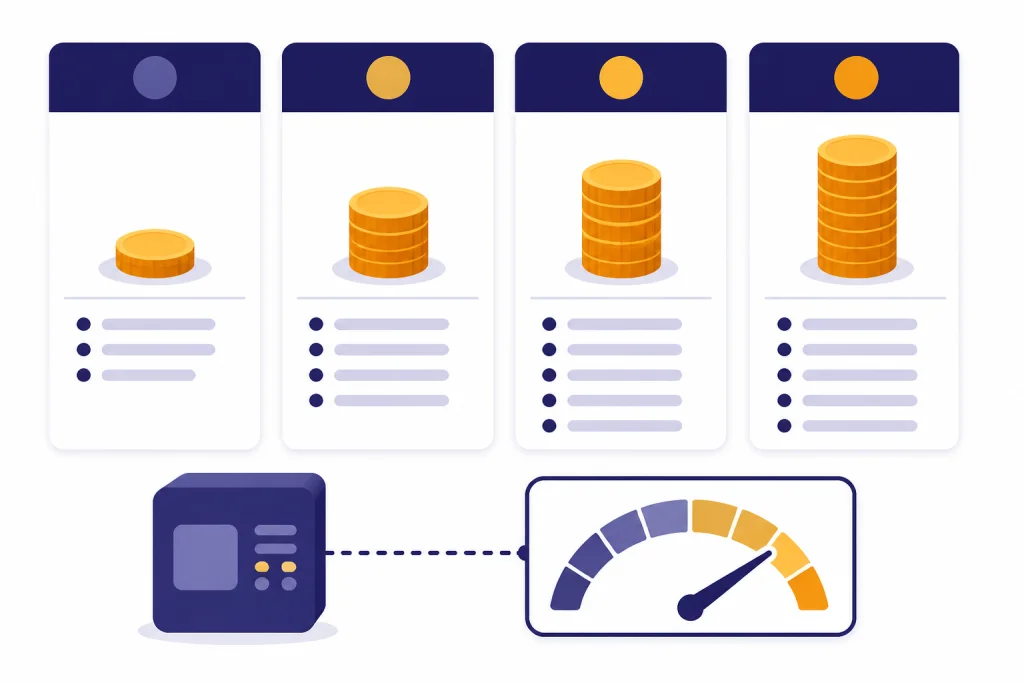
You do not need the most expensive plan to start. Match the plan to the bottleneck. If your bottleneck is finding buyers, a higher-tier plan will not fix it. If your bottleneck is heavy daily usage, team privacy, or software integration, costs matter more.
| Option | Published cost as of this article | Best use | Notes for making money |
|---|---|---|---|
| ChatGPT Free | $0 per month.[1] | Testing ideas and learning workflows | Use it to validate an offer before paying for more capacity. |
| ChatGPT Plus | $20 per month.[1] | Solo operators doing regular research, drafting, and analysis | Often enough for a first service business. Compare limits and value in our ChatGPT Plus price analysis. |
| ChatGPT Pro | $200 per month.[1] | Heavy individual users who can justify higher access through paid work | Upgrade only when usage limits are costing you billable output or delivery speed. |
| ChatGPT Business | $25 per user per month billed annually or $30 per user per month billed monthly, with Business available for two or more users.[1][2] | Teams, agencies, and client-facing workspaces | Useful when collaboration, admin controls, and business data handling matter. |
| OpenAI API | Separate API billing, not included with ChatGPT subscriptions.[3] | Apps, automations, client portals, and embedded AI tools | Estimate usage before quoting. API margins disappear if you ignore token and tool costs. |
| Batch API | 50 percent lower cost for eligible asynchronous jobs with a 24-hour turnaround window.[5] | Bulk classification, evaluations, reports, and back-office processing | Best when the client does not need an instant answer. |
For confidential client work, use the right environment. OpenAI says it does not train models on ChatGPT Business, ChatGPT Enterprise, ChatGPT Edu, ChatGPT for Teachers, or API platform inputs and outputs by default.[6] That matters when your offer involves customer data, internal policies, or private documents.
Guardrails that protect your margin and reputation
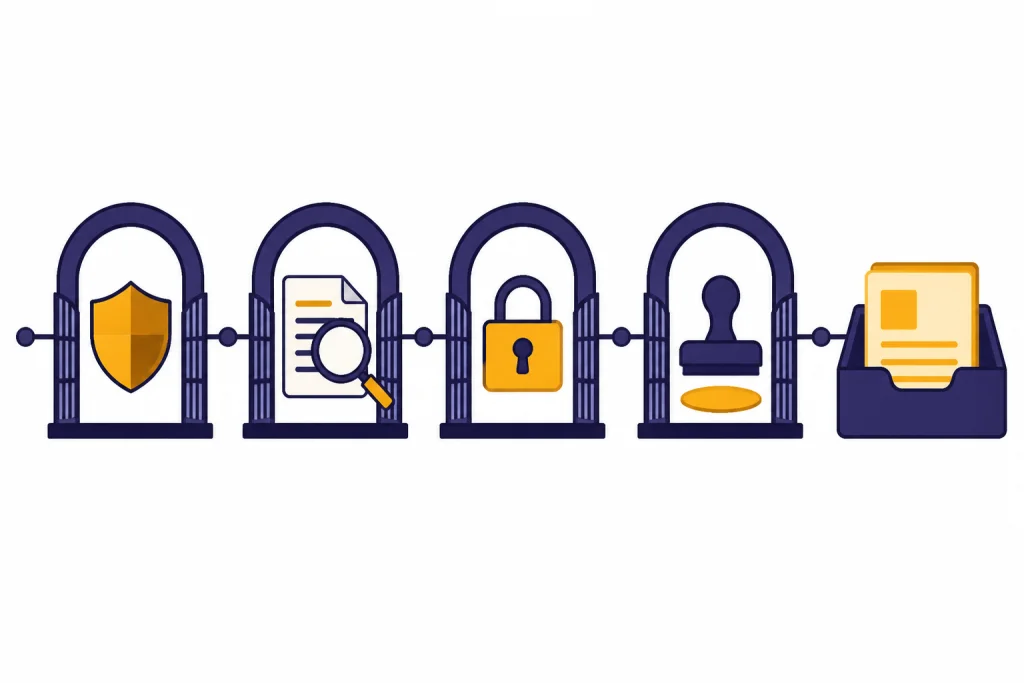
The fastest way to lose money with ChatGPT is to sell unreviewed output. Quality control is not optional. It is part of the product.
- Review facts. OpenAI’s Terms say output may not always be accurate and should not be used as a sole source of truth or as a substitute for professional advice.[7]
- Own the responsibility. OpenAI’s Terms say users are responsible for content, and output may not be unique even though OpenAI assigns its rights in output to the user to the extent permitted by law.[7]
- Disclose when required. OpenAI’s sharing and publication policy says API-assisted first-party written content should clearly disclose the role of AI in a way readers can understand.[8] Client contracts and publishing platforms may add stricter rules.
- Avoid licensed advice without a licensed professional. OpenAI’s usage policies restrict tailored legal, medical, and similar professional advice without appropriate licensed involvement.[10]
- Protect client data. Do not paste sensitive business information into the wrong workspace. Use business-appropriate settings, client permission, and a written data-handling process.
These guardrails make your service more valuable. A buyer can use a cheap prompt. A buyer pays more for a workflow that includes source collection, review, revision, approval, and a clear handoff.
A simple first-month action plan
Week one: choose one buyer and one painful workflow. Do not brainstorm a dozen side hustles. Pick a narrow problem, collect examples, and build a before-and-after sample. The sample should show how your process changes the buyer’s work.
Week two: package the offer. Name the input, the output, the review step, and the handoff. Keep the scope tight enough that you can deliver without improvising. Write a simple one-page description and a short audit checklist.
Week three: contact qualified buyers with specific observations. Do not claim that AI will transform their business. Point to one visible bottleneck and offer a low-risk pilot. Use ChatGPT to prepare, but make the final note human and specific.
Week four: deliver the pilot, measure what changed, and document the workflow. Ask what the client would pay to keep getting the result. If the same work repeats, turn it into a template, training, custom GPT, or API-backed tool.
The long-term path is simple: sell a service, systematize delivery, then decide whether to stay a service provider, become a trainer, take a job, or build software. ChatGPT gives you leverage, but the business still depends on a buyer, a result, and trust.
Frequently asked questions
Can I really make money with ChatGPT in 2026?
Yes, but not because ChatGPT creates money by itself. You make money by using it to deliver a business result faster or better than you could manually. The strongest paths combine ChatGPT with writing, analysis, operations, sales, customer support, training, or software skills.
What is the fastest realistic way to earn with ChatGPT?
The fastest realistic path is usually a productized service. Pick a narrow buyer, audit a visible workflow, and offer a small implementation. Services beat passive-income ideas at the start because you can sell before you build an audience or app.
Do I need ChatGPT Plus or Pro to start?
No. Start with the lowest plan that lets you deliver the work. OpenAI listed Plus at $20 per month and Pro at $200 per month as of this article, so upgrade only when the higher plan removes a real delivery bottleneck.[1]
Can I sell AI-generated content?
You can sell work created with AI assistance if you follow applicable laws, platform rules, client contracts, and OpenAI’s terms. OpenAI’s Terms assign its rights in output to you to the extent permitted by law, but you remain responsible for the content and must evaluate output before using it.[7] For published API-assisted writing, OpenAI’s policy calls for clear disclosure of AI’s role.[8]
Can I make money from custom GPTs?
Custom GPTs can support a service, training program, or internal client workflow. They can also be shared or published when the account, workspace, and GPT meet OpenAI’s requirements.[9] OpenAI has not published an official figure for this as a general guaranteed payout schedule, so treat GPTs as an asset, not a complete business model.
Is prompt engineering still worth learning?
Yes, but prompt engineering is strongest when paired with domain knowledge and workflow design. Employers and clients care less about clever prompts and more about reliable outputs, evaluation, and implementation. A portfolio of before-and-after workflows is usually stronger than a prompt list.
What should beginners avoid?
Avoid selling copied prompts, publishing unverified AI articles, sending mass AI-generated outreach, or offering legal, medical, financial, or other licensed advice without the right professional involvement. Also avoid building software before you have evidence that buyers want the workflow. Start with a narrow service and let real client demand guide the next step.