

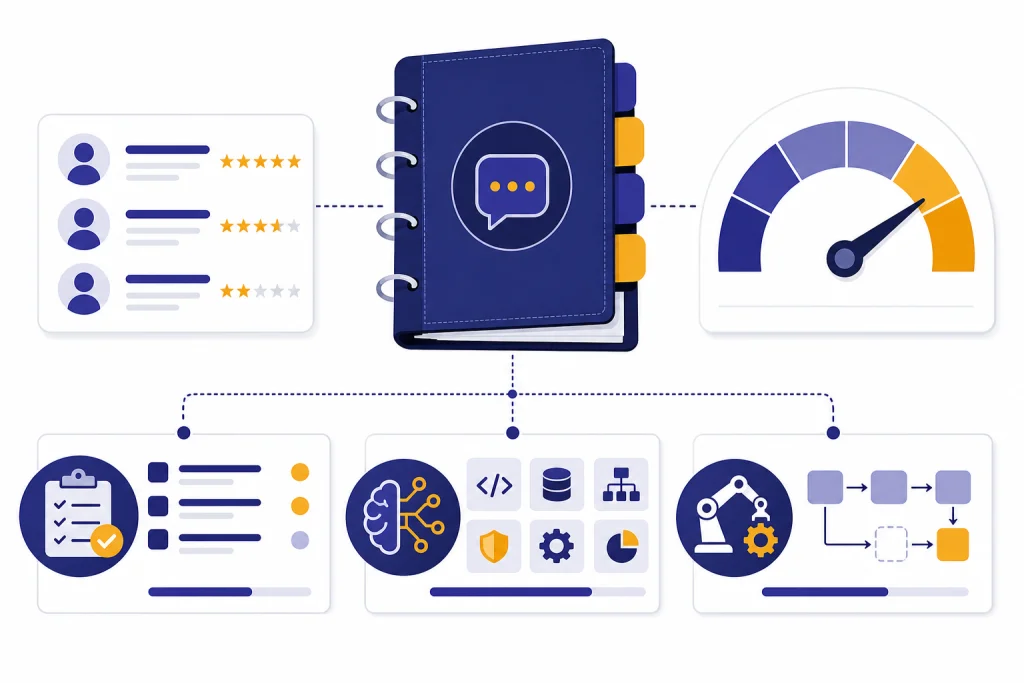
Prompt engineering jobs still exist, but the market has become more selective. Employers are less interested in clever one-off prompts and more interested in people who can design reliable AI workflows, test model behavior, document prompt libraries, and connect language models to business systems. Salary data is noisy because job boards mix true AI engineering roles with content, support, and automation jobs. The strongest candidates pair prompt skill with another discipline, such as software development, product management, technical writing, customer operations, legal operations, education, healthcare, or data analysis. Treat prompt engineering as a career accelerator, not a guaranteed standalone job title.
What prompt engineering jobs look like now
Prompt engineering jobs have shifted from prompt writing to AI system design. A narrow job built around writing clever instructions is weaker than it was during the first wave of generative AI hiring. A stronger job involves translating business requirements into repeatable prompts, test cases, escalation rules, retrieval workflows, and quality checks.
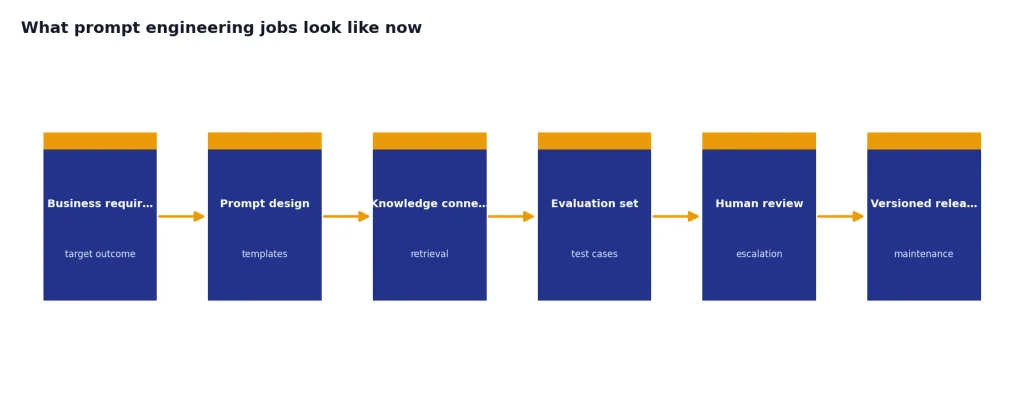
OpenAI describes prompting as the process of providing input to a model and notes that output quality often depends on how well the model is prompted. Its current developer guidance also emphasizes reusable prompts, prompt variables, versioning, and evaluation rather than isolated prompt snippets.[1] That distinction matters for hiring. Companies want someone who can improve a workflow, not someone who only knows a list of prompt formulas.
A 2026 prompt engineer may work on customer support agents, legal intake tools, internal research assistants, sales enablement workflows, healthcare knowledge systems, education products, marketing production systems, or AI quality review. In many cases, the title is not “Prompt Engineer.” The work may sit under AI product manager, AI content operations lead, automation specialist, conversation designer, LLM application engineer, AI trainer, data annotation lead, or technical writer with AI responsibilities.
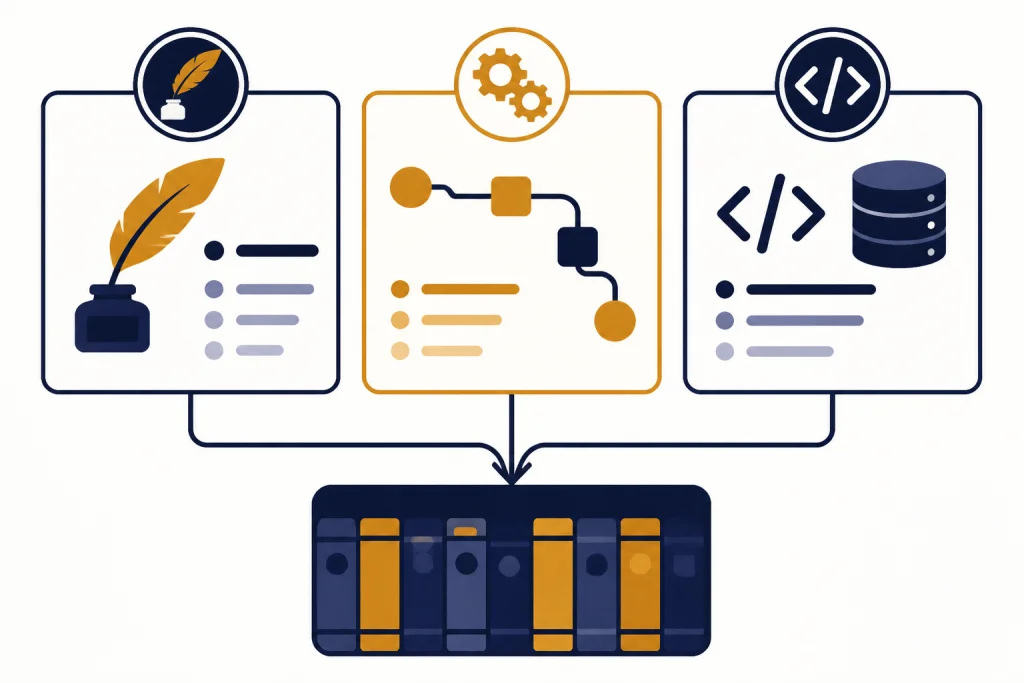
The best way to read the market is to separate three types of roles. The first is prompt-heavy production work, where the job is to create prompts, review outputs, and improve content workflows. The second is AI operations work, where prompts are part of a larger system involving tools, knowledge bases, workflows, and review loops. The third is technical AI engineering, where prompt design is one piece of an application that also uses code, APIs, retrieval, logging, evaluation, and deployment.
This is why a prompt portfolio should show systems, not just examples. A useful portfolio can include a before-and-after workflow, an evaluation rubric, a small prompt library, failure examples, a version history, and a short explanation of how you measured improvement. If you want a deeper career-only salary view, read our prompt engineering salary in 2026 breakdown alongside this guide.
Salary data is noisy
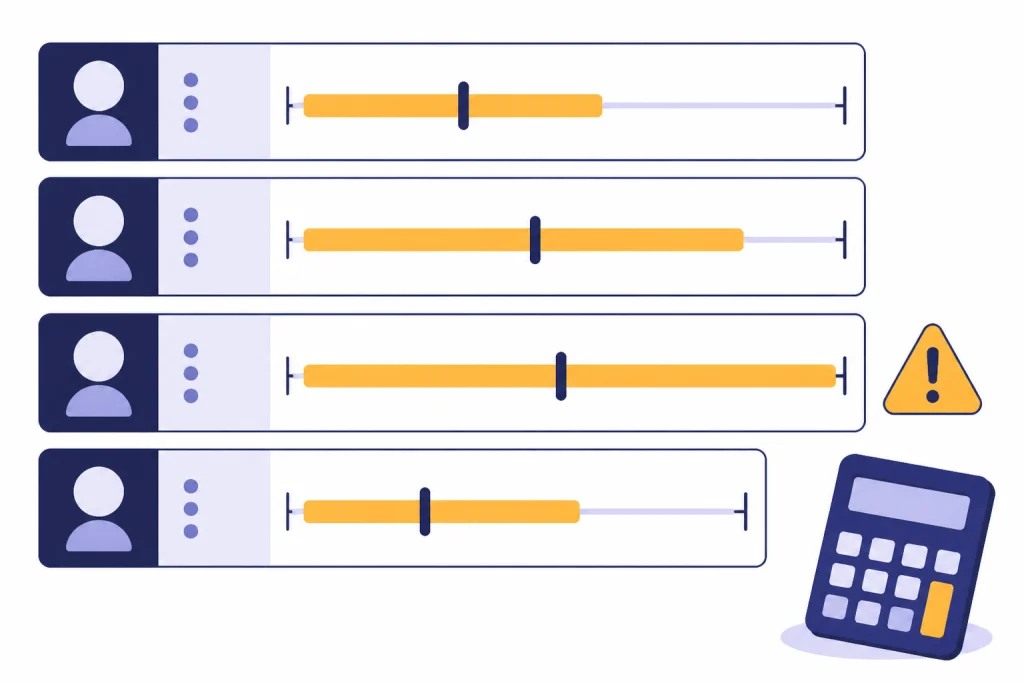
Prompt engineering salary data is unusually inconsistent. The job title is new, the sample sizes are small, and salary sites classify roles differently. Some sources count “prompt engineering” as a skill category. Others count “Prompt Engineer” as a specific role. Some include AI engineering jobs with coding requirements. Others include content or training roles with lower pay.
Glassdoor reported an average prompt engineer salary of $129,693 in the United States, based on 30 salary submissions, with a typical range from $102,180 to $166,507 and top earners reported at $207,100.[2] ZipRecruiter reported a lower average for the “Prompt Engineering” category at $62,977, with most salaries between $47,000 and $72,000 and top earners at $88,000.[3] Indeed reported an average base salary of $103,754 for prompt engineers in the United States, based on 60 salaries taken from job postings.[4]
Those numbers do not contradict each other as much as they first appear to. They describe different slices of the market. A software-adjacent prompt engineer working on AI applications can sit near AI engineering pay. A prompt specialist doing content operations, annotation, or workflow support may sit closer to general operations pay. A regulated-domain role can pay more if it requires healthcare, legal, finance, or security judgment.
| Source | Reported figure | What it likely captures | How to use it |
|---|---|---|---|
| Glassdoor | $129,693 average; $102,180 to $166,507 typical range[2] | Self-reported prompt engineer compensation | Useful for professional and technical roles, but based on a small sample |
| Indeed | $103,754 average base salary from 60 job-posting salaries[4] | Open postings with the prompt engineer title | Useful for active hiring ranges, but postings may skew by platform |
| ZipRecruiter | $62,977 average for the prompt engineering category[3] | A broader category that may include lower-paid prompt-related work | Useful as a caution against assuming every role is six figures |
| Example live posting | $95,300 to $158,800 U.S. national base pay[5] | A full-time AI prompt engineer role in healthcare information products | Useful for understanding what higher-quality postings ask for |
The practical salary lesson is simple. Do not negotiate from the title alone. Negotiate from the responsibilities. A role that asks for prompt libraries, evaluation methods, Python, large language model APIs, retrieval-augmented generation, vector databases, privacy, and safety belongs in a different pay band than a role that only asks you to write prompts for blog posts or image generation.[5]
Benchmark against adjacent jobs too. The U.S. Bureau of Labor Statistics reported a 2024 median annual wage of $133,080 for software developers and projected 15 percent employment growth for software developers, quality assurance analysts, and testers from 2024 to 2034.[6] It reported a 2024 median annual wage of $140,910 for computer and information research scientists and projected 20 percent growth from 2024 to 2034.[7] It reported a 2024 median annual wage of $91,670 for technical writers and projected 1 percent growth from 2024 to 2034.[8] These adjacent categories help you decide whether a prompt-heavy job is closer to engineering, research, documentation, or operations.
What employers screen for
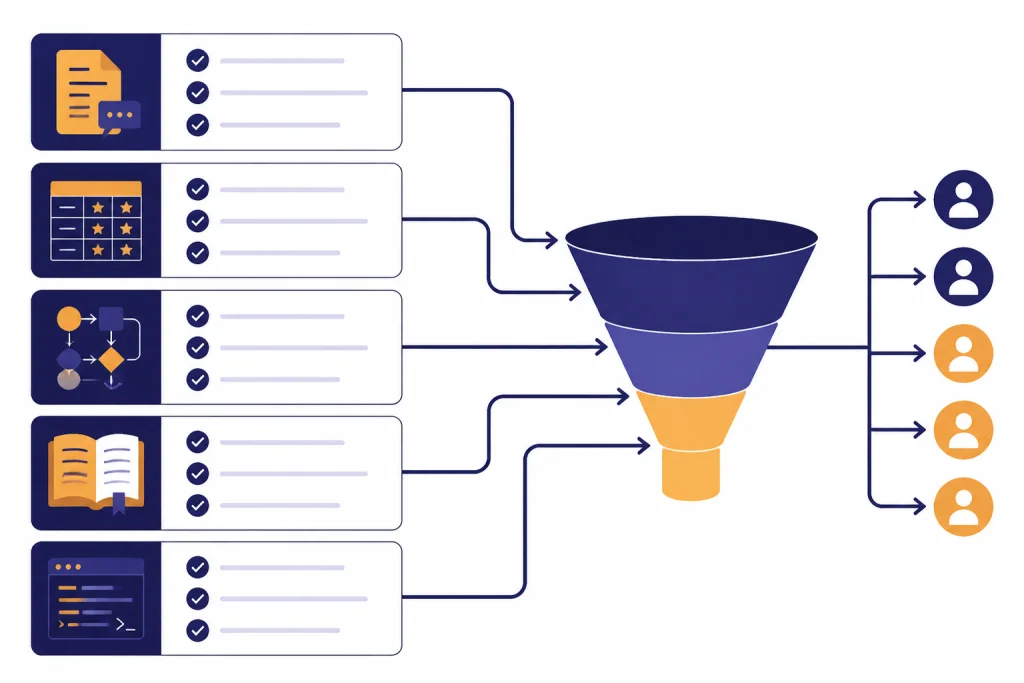
Employers screen for evidence that you can make AI output reliable. They rarely need someone who only knows prompt patterns. They need someone who can define a target output, discover failure modes, test alternatives, and explain tradeoffs to nontechnical stakeholders.
A research paper on prompt engineer hiring analyzed 20,662 LinkedIn job postings and found only 72 prompt engineer positions in the sample, making the role less than 0.5 percent of sampled postings.[9] The same paper found a distinct skill profile: AI knowledge appeared in 22.8 percent of prompt engineer requirements, prompt design in 18.7 percent, communication in 21.9 percent, and creative problem-solving in 15.8 percent.[9] That mix explains why strong applicants often come from hybrid backgrounds.
For technical roles, employers look for comfort with APIs, structured outputs, evaluation sets, tool calling, retrieval, and basic programming. For nontechnical roles, they look for domain judgment, writing quality, process design, and the ability to review AI output with discipline. In both cases, they want proof that you can improve outcomes without introducing new risk.
A strong resume bullet does not say, “Wrote prompts for ChatGPT.” It says, “Built an AI intake workflow that reduced manual triage time, documented the prompt versions, tested failure cases, and created a review checklist for edge cases.” Use numbers only when you can support them. If you cannot quantify the impact, describe the before-and-after process clearly.
Hiring teams also screen for communication. Prompt engineering work sits between subject matter experts, product teams, engineers, legal reviewers, compliance teams, and end users. Your job is often to turn vague requests into precise instructions and safe operating boundaries. That is why technical writing, product operations, customer service, and workflow design experience can matter as much as model trivia.
- Prompt design: clear instructions, examples, constraints, formatting, and reusable templates.
- Evaluation: test sets, rubrics, human review, regression checks, and failure analysis.
- Workflow thinking: escalation paths, handoffs, version control, and documentation.
- Domain judgment: knowledge of the business context where the AI system will operate.
- Technical fluency: APIs, structured data, retrieval, and basic debugging where the role requires it.
If your target role involves customer operations, pair this guide with our ChatGPT for Customer Service Teams use cases. If your target role involves developer workflows, review OpenAI API Errors so you understand how production systems fail.
Where the jobs are
The best prompt engineering jobs are usually embedded in a business function. Search for “prompt engineer,” but do not stop there. Also search for AI product specialist, LLM evaluation specialist, AI trainer, conversation designer, AI content operations, generative AI analyst, automation specialist, AI workflow consultant, and LLM application engineer.
Technology companies hire for AI application work, but the most practical openings often appear in industries that already have structured knowledge and expensive expert time. Healthcare information, legal services, finance, insurance, education technology, customer support, enterprise software, and market research all have use cases where better AI workflows can save time or reduce errors.
The April 2026 healthcare information posting cited above is a useful example because it combines prompt engineering with conversational AI design, Python, model APIs, retrieval-augmented generation, vector databases, prompt library governance, safety, bias mitigation, and privacy.[5] That is the hiring pattern to watch. The prompt is important, but the job is broader than the prompt.
The World Economic Forum’s Future of Jobs Report 2025 found that technology-related roles are among the fastest-growing jobs in percentage terms, including big data specialists, fintech engineers, AI and machine learning specialists, and software and application developers.[10] It also reported that AI and big data top the list of fastest-growing skills for the 2025 to 2030 period.[10] Prompt engineering jobs benefit from that trend when they are attached to real AI adoption, but a standalone prompt title is not the only path into the market.
Freelance work exists, but it is easier to sell as a concrete business outcome. “I will write prompts” is weak. “I will build a support macro library, test it against common tickets, and train your team to maintain it” is stronger. For independent work, study our how to make money with ChatGPT in 2026 guide and our Best ChatGPT Prompt Generator Tools comparison, but do not rely on tools alone. Clients pay for judgment, implementation, and support.
Job seekers should also monitor adjacent ChatGPT roles. Our ChatGPT Jobs guide covers broader AI-assisted work, while openai api pricing helps candidates understand the cost side of production AI systems. Cost awareness is useful in interviews because prompt choices can affect latency, token use, and maintainability.

How to become a strong candidate
Start with a domain. Prompt engineering is more valuable when attached to work you already understand. A nurse can build safer clinical education prompts than a generalist. A paralegal can test legal intake summaries better than someone with no legal context. A support manager can identify which AI answers will actually solve customer problems.
Then build a small portfolio around real workflows. Do not publish private data, client data, or confidential prompts. Create sanitized examples that show your process. Include the task, input examples, output requirements, evaluation rubric, failure cases, revised prompt, and maintenance plan. Show that you can decide what “good” means before asking a model to produce it.
Learn enough technical vocabulary to work with engineers. You do not need to be a senior developer for every prompt engineering job, but you should understand context windows, structured outputs, retrieval, embeddings, tool use, prompt injection, evaluation sets, and version control. If you are targeting technical AI jobs, add Python and API practice. If you are targeting business roles, add process mapping, documentation, and stakeholder communication.
Certifications can help when they force you to build projects, but a certificate alone will not carry a weak portfolio. Use this guide to prompt engineering certification to compare programs. Then pair any credential with visible work samples. If you need help translating that into applications, our AI resume builder tools compared article can help you structure your experience.
Practice with current model behavior, not old prompt folklore. OpenAI’s guidance notes that prompting is both art and science and that teams should experiment, manage prompts centrally, and evaluate prompt performance as they iterate.[1] That is a better mindset than memorizing universal magic phrases.
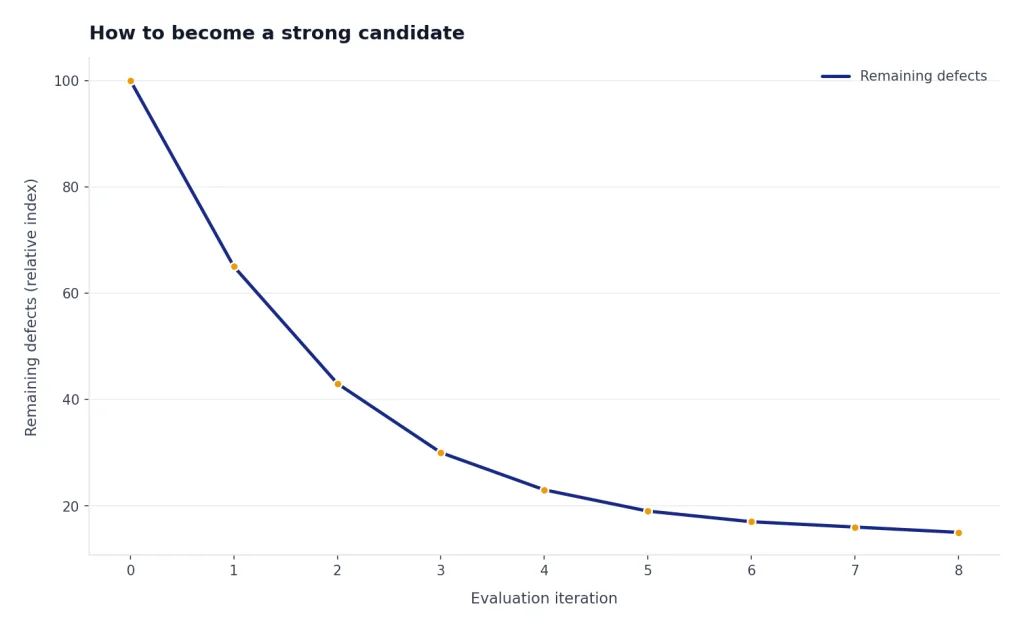
A practical learning plan is to choose one business process, create a prompt library for it, test it against realistic inputs, document known failures, and explain when a human must review the output. Repeat the same exercise in a second domain only after the first one is strong. Depth beats a folder full of unrelated prompt snippets.
Risks and red flags
The biggest risk is mistaking a temporary title for a durable career. Prompt engineering will remain useful, but the title may keep changing. Employers may fold the work into AI product, AI operations, software engineering, technical writing, customer operations, or domain specialist roles. Build portable skills so you are not dependent on one label.
Watch out for job postings that promise unusually high pay for vague prompt work, require unpaid test projects that look like real client work, or describe “secret” prompting tricks without any evaluation process. Also be careful with courses that imply a short certificate guarantees a high-paying job. Hiring managers usually want proof of judgment, not just vocabulary.
Another risk is confidentiality. Prompt engineering often touches customer data, proprietary workflows, legal material, health information, or internal strategy. A good candidate knows when not to put data into an AI system and when to ask about privacy, retention, review, and compliance. In regulated fields, this judgment can be the difference between a useful AI workflow and an unacceptable risk.
The safest career strategy is to position yourself as a problem solver who uses AI well. If you come from customer service, learn AI helpdesk design. If you come from writing, learn technical documentation and evaluation. If you come from engineering, learn model behavior and product constraints. If you are new to AI concepts, start with what is GPT? the generative pre-trained model before chasing specialized job titles.
Prompt engineering jobs are real, but they reward people who can connect language models to measurable work. The title may be unstable. The skill set is not.
Frequently asked questions
Are prompt engineering jobs still real?
Yes, but the role is less about clever prompt wording and more about AI workflow design. The strongest jobs involve evaluation, documentation, domain expertise, and collaboration with product or engineering teams. Many openings use adjacent titles instead of “Prompt Engineer.”
How much do prompt engineering jobs pay?
Reported pay varies widely by source and job definition. Glassdoor, Indeed, and ZipRecruiter show different averages because they count different samples and role types.[2][3][4] Treat the title as a starting point, then benchmark against the actual responsibilities.
Do I need to code to become a prompt engineer?
Not always. Nontechnical roles exist in content, operations, training, and conversation design. Technical roles usually expect APIs, Python, retrieval workflows, structured outputs, and evaluation methods. Coding becomes more important as the job moves closer to production AI systems.
What should I put in a prompt engineering portfolio?
Show a complete workflow. Include the business problem, input examples, prompt versions, output requirements, test cases, failure examples, and a review process. A small, well-documented project is more persuasive than a long list of generic prompts.
Is a prompt engineering certification worth it?
It can be worth it if the program forces you to build projects and learn evaluation. It is less useful if it only teaches generic prompt formulas. Employers care more about demonstrated judgment, domain knowledge, and the ability to maintain AI workflows safely.
What is the best background for prompt engineering jobs?
There is no single best background. Strong candidates often combine AI fluency with software, product, writing, support, education, legal, healthcare, finance, or data experience. The key is knowing a real workflow well enough to define good output and catch bad output.