

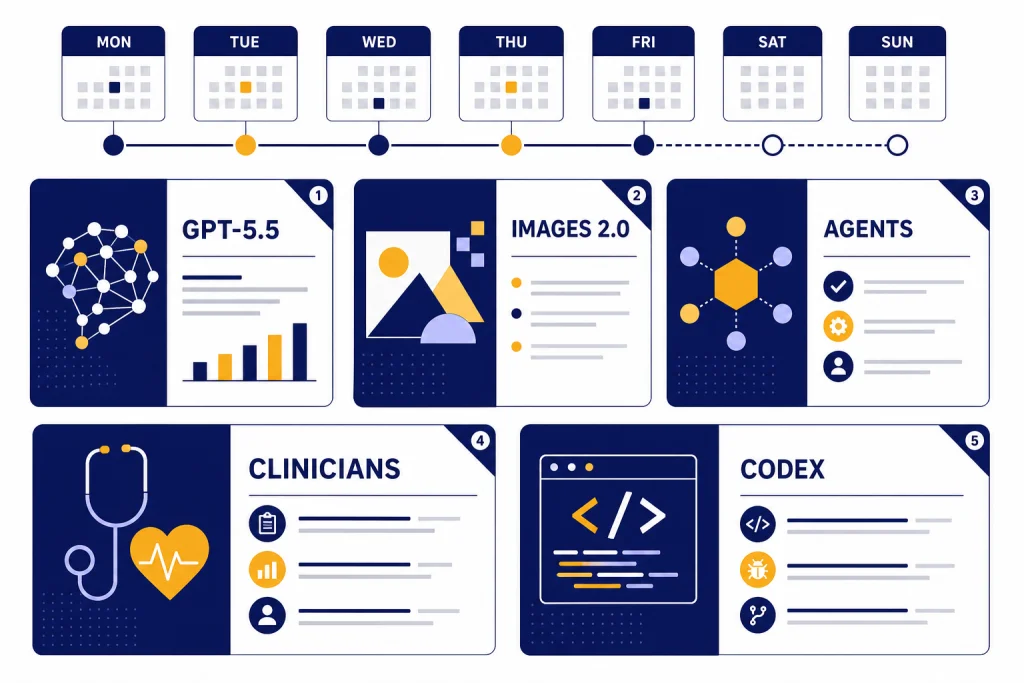
OpenAI’s biggest news this week is a product-heavy run: GPT-5.5 arrived in ChatGPT and Codex, ChatGPT Images 2.0 moved image generation toward more deliberate visual reasoning, workspace agents brought repeatable team workflows into ChatGPT, and ChatGPT for Clinicians opened as a free workspace for verified U.S. clinicians. OpenAI also said Codex grew from more than 3 million weekly developers in early April to more than 4 million two weeks later.[6] The week also included a partial outage affecting ChatGPT, Codex, and the API Platform on April 20.[7] As of April 25, 2026, the OpenAI news cycle is about agents, professional work, enterprise adoption, and reliability.
OpenAI news at a glance
The week of April 20 to April 25, 2026, was not one single OpenAI announcement. It was a cluster of product and platform moves. The short version is that OpenAI is pushing ChatGPT further away from a single chat box and closer to a work system that can generate images, run repeatable workflows, support professional domains, and help developers ship code.
This is also why the company’s product news now overlaps with its business news. A model launch affects ChatGPT. A Codex milestone affects enterprise sales. Workspace agents affect governance. Reliability incidents affect teams that now depend on AI tools during the workday. For background on how the company reached this point, see our OpenAI History timeline.
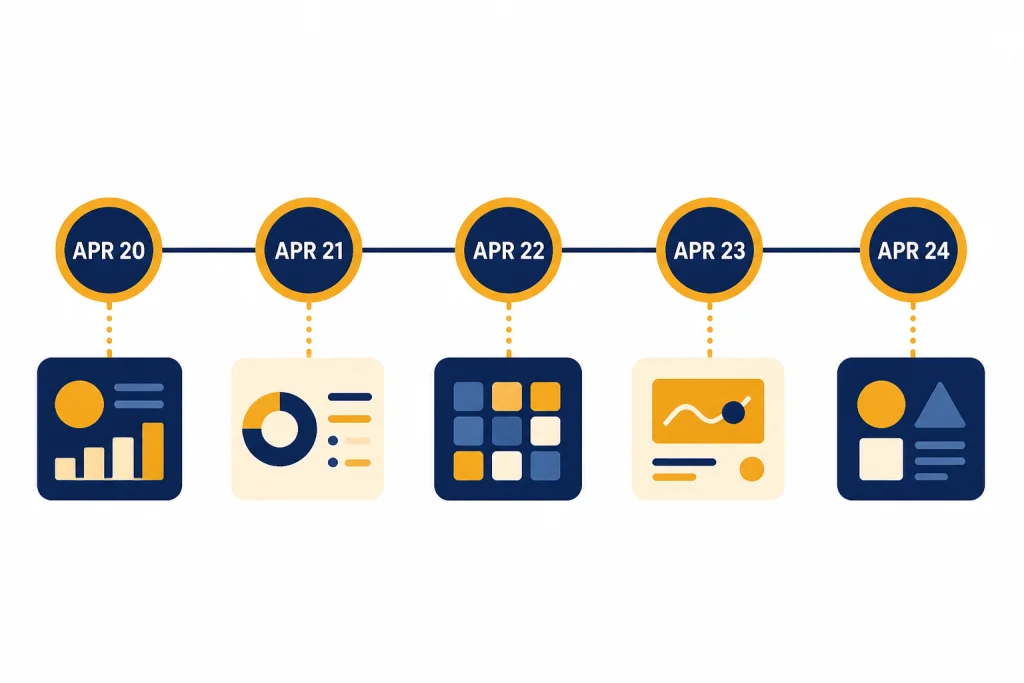
| Update | Date | Who it affects | Why it matters |
|---|---|---|---|
| ChatGPT, Codex, and API Platform partial outage | April 20, 2026[7] | ChatGPT users, developers, and Codex users | It showed how many workflows now depend on OpenAI services being available. |
| ChatGPT Images 2.0 | April 21, 2026[3] | ChatGPT users who create or edit images | It adds a more capable image model and a thinking mode for paid plans. |
| Codex enterprise push | April 21, 2026[6] | Developers and enterprise engineering teams | OpenAI said Codex reached more than 4 million weekly developers. |
| Workspace agents in ChatGPT | April 22, 2026[4] | Business, Enterprise, Edu, and Teachers workspaces | Teams can create shared agents for repeatable workflows. |
| ChatGPT for Clinicians | April 22, 2026[5] | Verified U.S. clinicians | OpenAI launched a clinical workspace for documentation, evidence review, and medical research. |
| GPT-5.5 | April 23, 2026[2] | ChatGPT, Codex, and API users | OpenAI positioned it as a frontier model for professional work and agentic coding. |
GPT-5.5 is the main product story
OpenAI introduced GPT-5.5 on April 23, 2026, and called it its smartest and most intuitive model for work.[2] The practical claim is not just that the model can answer harder questions. OpenAI says GPT-5.5 can handle messy, multi-step work: writing and debugging code, researching online, analyzing data, creating documents and spreadsheets, operating software, and checking its own outputs.[2]
That positioning matters because OpenAI is now framing flagship models around completion, not just response quality. A better model is useful if it needs fewer clarifying prompts, carries context through a longer task, uses tools responsibly, and turns raw material into a finished artifact. That is also why GPT-5.5 is closely tied to Codex and agents, not only to the standard ChatGPT experience.
OpenAI said GPT-5.5 rolled out to Plus, Pro, Business, and Enterprise users in ChatGPT and Codex, while GPT-5.5 Pro rolled out to Pro, Business, and Enterprise users in ChatGPT.[2] OpenAI added on April 24, 2026, that GPT-5.5 and GPT-5.5 Pro were available in the API.[2] If you build on the API, compare this launch with our OpenAI API pricing guide before moving production workloads.
The model name will draw attention, but the more important question is fit. GPT-5.5 makes the most sense for work that has several dependent steps, needs tools, or requires high confidence. It is less important for quick drafting, simple rewriting, or casual questions where a faster and cheaper model may be good enough.


Images, agents, and clinicians expand ChatGPT
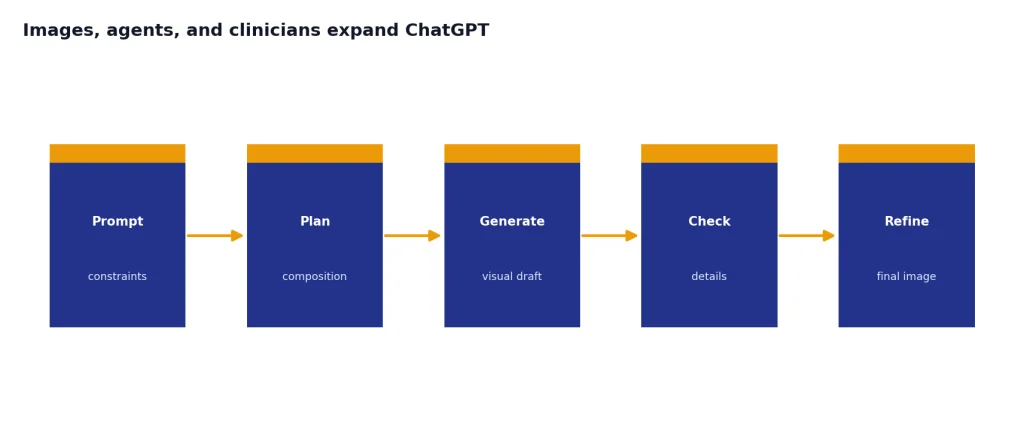
OpenAI’s week was not only about GPT-5.5. ChatGPT Images 2.0 arrived on April 21, 2026, as a new image generation model in ChatGPT.[3] OpenAI’s release notes say ChatGPT Images 2.0 is available on all ChatGPT plans, while images with thinking are available on paid plans when users select Thinking and Pro models.[1] For creators, designers, marketers, and product teams, the key change is that image generation is being treated more like a reasoning task, not a one-shot visual guess.
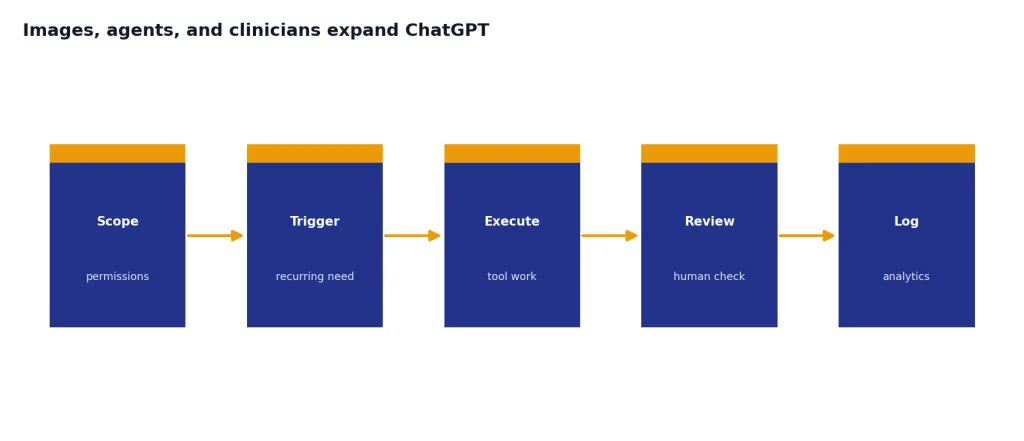
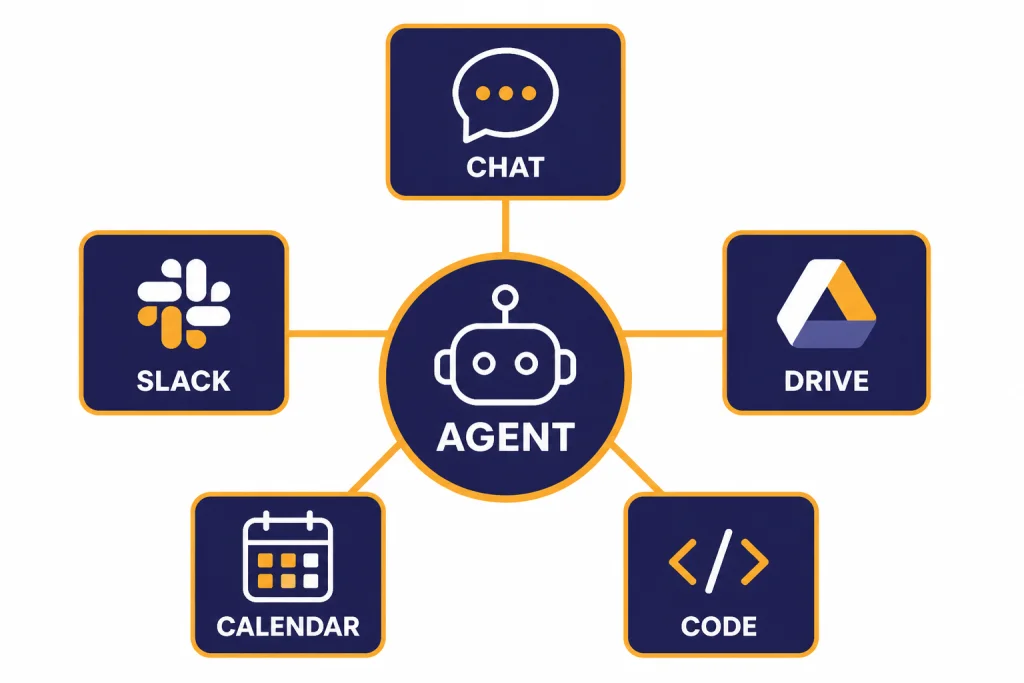
Workspace agents followed on April 22, 2026.[4] OpenAI describes them as Codex-powered agents for teams that can handle complex tasks and long-running workflows under organizational permissions and controls.[4] They are available in research preview for ChatGPT Business, Enterprise, Edu, and Teachers plans.[4] If you are comparing this with OpenAI’s developer tooling, see our OpenAI Agents SDK and OpenAI Agent Builder guides.
Workspace agents are important because they move ChatGPT from personal assistance into shared process automation. An organization can build an agent for recurring reports, customer follow-up, internal support, code maintenance, or scheduled checks. Admin controls, permissions, analytics, and connected apps become just as important as model quality.
OpenAI also launched ChatGPT for Clinicians on April 22, 2026, for verified physicians, nurse practitioners, physician assistants, and pharmacists in the United States.[5] OpenAI says the workspace supports documentation, medical research, evidence review, trusted clinical search, citations, reusable skills, deep research across medical literature, and CME credit support on eligible clinical questions.[5] This is a high-stakes category, so clinicians should treat AI output as support, not as a replacement for professional judgment, patient context, or institutional policy.
Codex and enterprise are moving fast
Codex is the clearest signal that OpenAI wants developer workflows to become a core growth engine. On April 21, 2026, OpenAI said Codex had grown from more than 3 million weekly developers in early April to more than 4 million two weeks later.[6] That is a large number for a product aimed at coding and engineering workflows, and it explains why GPT-5.5 emphasizes agentic coding.
OpenAI is also packaging Codex for enterprise adoption. The company announced Codex Labs and partnerships with global systems integrators to bring Codex into engineering organizations.[6] That matters because enterprise AI adoption is often less about a model demo and more about integration, security review, rollout support, and workflow redesign.
This is the business thread connecting the week’s product launches. GPT-5.5 gives OpenAI a stronger model for complex work. Workspace agents turn recurring work into shared systems. Codex gives developers a direct productivity use case. ChatGPT for Clinicians gives OpenAI a specialized professional workspace. The company is building multiple paths into paid work, not relying on consumer chat alone.
That strategy also puts pressure on OpenAI’s partnerships, infrastructure, and economics. For deeper context, read our guides to OpenAI and Microsoft, OpenAI valuation, and OpenAI revenue. Those topics shape how quickly OpenAI can scale the products announced this week.
Reliability and user impact this week
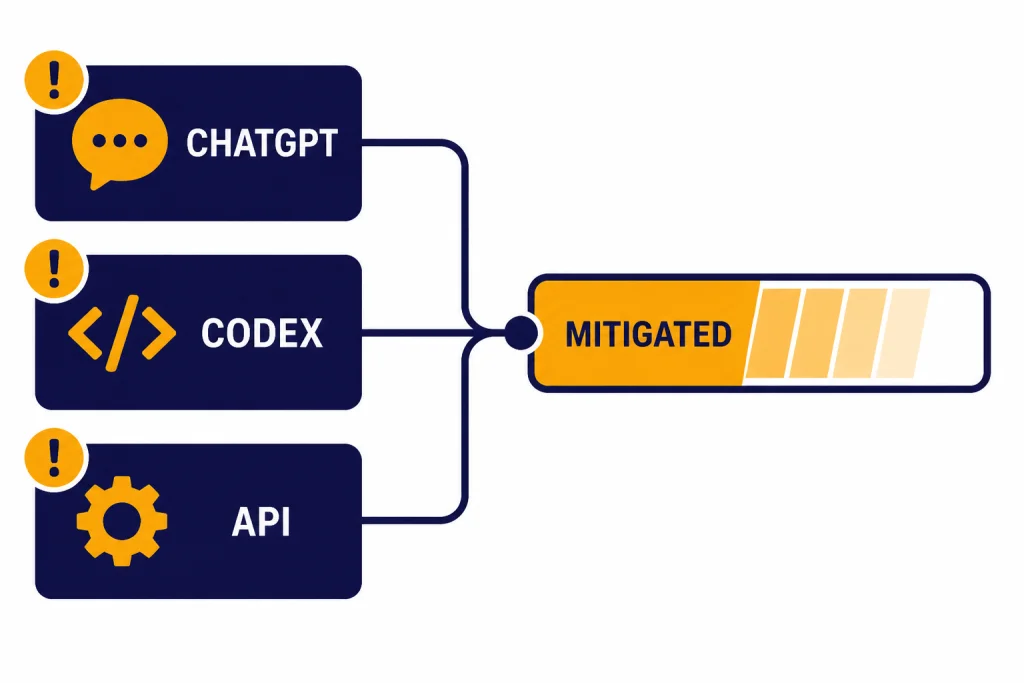
The week also included a reliability reminder. OpenAI’s status page reported a partial outage on April 20, 2026, affecting ChatGPT, Codex, and the API Platform.[7] The incident page said impacted users were unable to access those services during the event.[7] For casual users, that is inconvenient. For teams running demos, support workflows, coding sessions, or production systems, it can interrupt real work.
OpenAI’s rapid product expansion makes the status page more important, not less. A single incident can touch ChatGPT, Codex, image generation, login, file uploads, deep research, or API usage, depending on which components are affected. If your team depends on OpenAI tools, bookmark our OpenAI Status Page explainer and build a backup plan for critical work.
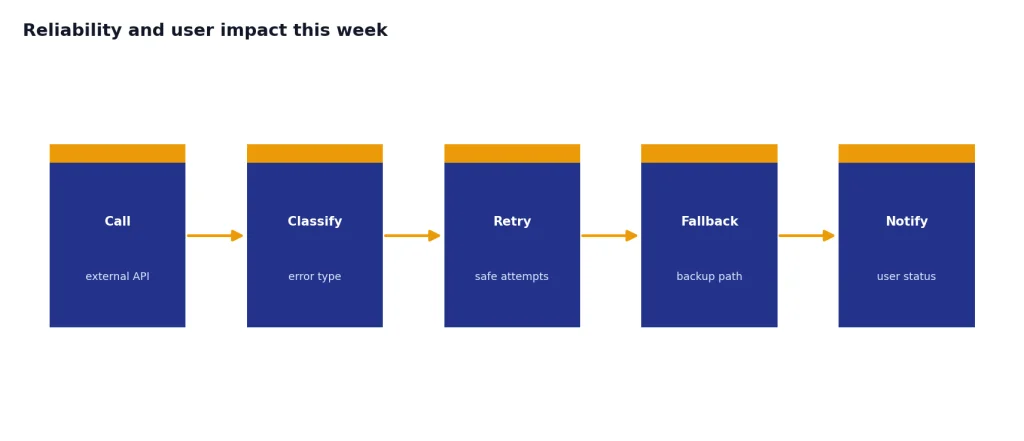
For developers, the lesson is straightforward. Treat OpenAI like any other external platform dependency. Use retries, graceful fallbacks, user-visible error messages, and queueing for non-urgent jobs. If you need help diagnosing platform responses, our OpenAI API errors guide explains common failure patterns and fixes.
What to watch next
The next OpenAI news cycle will likely center on three questions. First, how quickly does GPT-5.5 become the default model for serious work in ChatGPT, Codex, and the API? Second, whether workspace agents move from research preview into normal business operations. Third, how OpenAI balances fast launches with reliability, safety, and enterprise governance.
Pricing is another watch item. OpenAI’s API pricing page lists current model pricing and processing options, and developers should check it before switching default models or routing high-volume tasks.[8] ChatGPT plan economics matter too. If you are deciding whether the consumer plan is enough for your use case, see our ChatGPT Plus price in 2026 breakdown.
Leadership will also stay in focus. Product launches now intersect with safety policy, enterprise sales, infrastructure partnerships, and legal scrutiny. For the people behind those decisions, see our guide to OpenAI’s CTO and leadership team. For the founder story, read our Sam Altman biography.
Our view: this week’s OpenAI news is less about one headline and more about a pattern. OpenAI is turning ChatGPT into a work platform, Codex into a developer growth engine, and agents into a product layer for teams. The company’s opportunity is large, but so are the operational expectations that come with becoming infrastructure.
Frequently asked questions
What was the biggest OpenAI news this week?
The biggest update was GPT-5.5, which OpenAI introduced on April 23, 2026.[2] It matters because OpenAI positioned it for professional work, tool use, coding, research, and longer multi-step tasks rather than only better chat responses.
Is GPT-5.5 available in the API?
Yes. OpenAI updated its GPT-5.5 announcement on April 24, 2026, to say GPT-5.5 and GPT-5.5 Pro were available in the API.[2] Developers should still check current API pricing and model documentation before changing production routing.[8]
What is ChatGPT Images 2.0?
ChatGPT Images 2.0 is OpenAI’s new image generation model in ChatGPT, introduced on April 21, 2026.[3] OpenAI’s release notes say it is available on all ChatGPT plans, while images with thinking are available on paid plans through Thinking and Pro models.[1]
Who can use workspace agents in ChatGPT?
OpenAI says workspace agents are available in research preview for ChatGPT Business, Enterprise, Edu, and Teachers plans.[4] They are designed for shared, repeatable workflows that run under organizational permissions and controls.
Did OpenAI publish the GPT-5.5 parameter count?
OpenAI has not published an official figure for this. The company’s public materials focus on capabilities, availability, safety, and use cases, not the number of parameters in GPT-5.5.
Was ChatGPT down this week?
OpenAI reported a partial outage on April 20, 2026, affecting ChatGPT, Codex, and the API Platform.[7] If you rely on OpenAI for work, monitor the status page and keep fallback steps for critical tasks.