

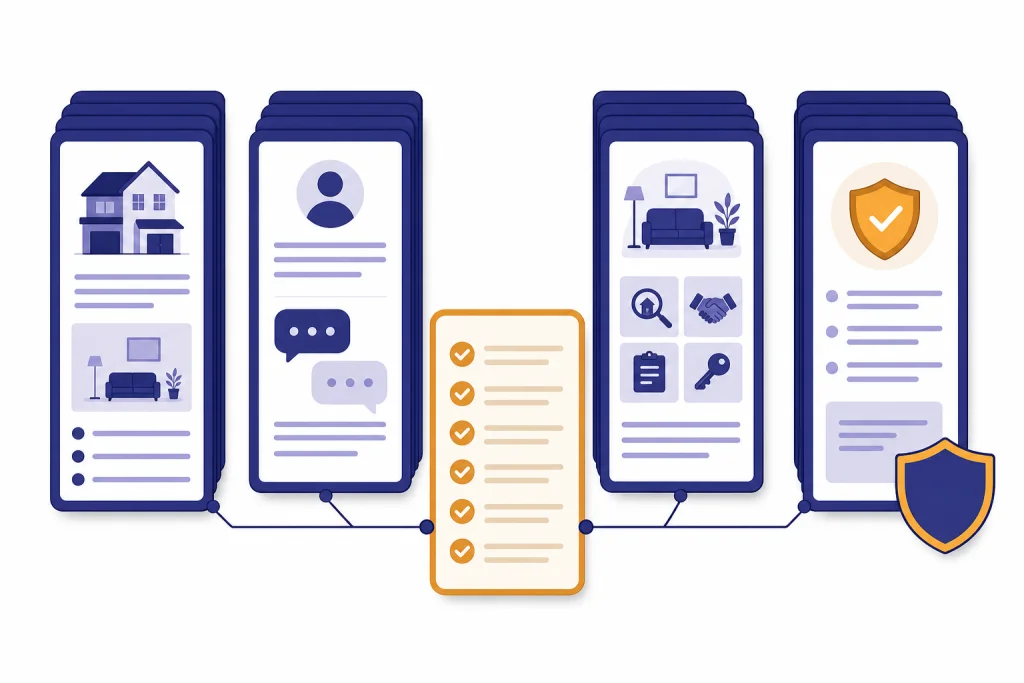
ChatGPT real estate prompts help agents draft listing copy, client emails, lead follow-ups, buyer guides, seller updates, social posts, and market explanations faster. The best prompts do not ask ChatGPT to invent facts. They give it verified property details, a target audience, a channel, a tone, and compliance boundaries. This guide gives you copy-paste prompts for everyday agent work, plus a review checklist for fair housing, MLS accuracy, brokerage standards, and local market claims. Use these prompts as first-draft tools, not final approval. ChatGPT can speed up routine writing, but you still own the facts, disclosures, and client advice.
How agents should use these prompts
Real estate prompts work best when you treat ChatGPT as a drafting assistant, not as a source of property facts. OpenAI says ChatGPT can be helpful but is not always right, so agents should verify anything that affects pricing, square footage, school boundaries, HOA terms, taxes, financing, disclosures, or legal obligations.[1]
The safest workflow is simple. Give ChatGPT your verified inputs. Ask for structured output. Review the result against MLS rules, brokerage policy, fair housing requirements, and client instructions. Then edit the copy so it sounds like you. If you want a more general framework for building reusable prompts, start with our chatgpt prompt generator.
Real estate is a regulated communication environment. HUD states that the Fair Housing Act prohibits discrimination in housing because of race, color, national origin, religion, sex, familial status, and disability.[3] The DOJ also explains that the Act applies to direct providers of housing, including real estate companies, and to other entities whose practices can make housing unavailable.[4] This matters because AI can accidentally turn a casual phrase into risky copy.
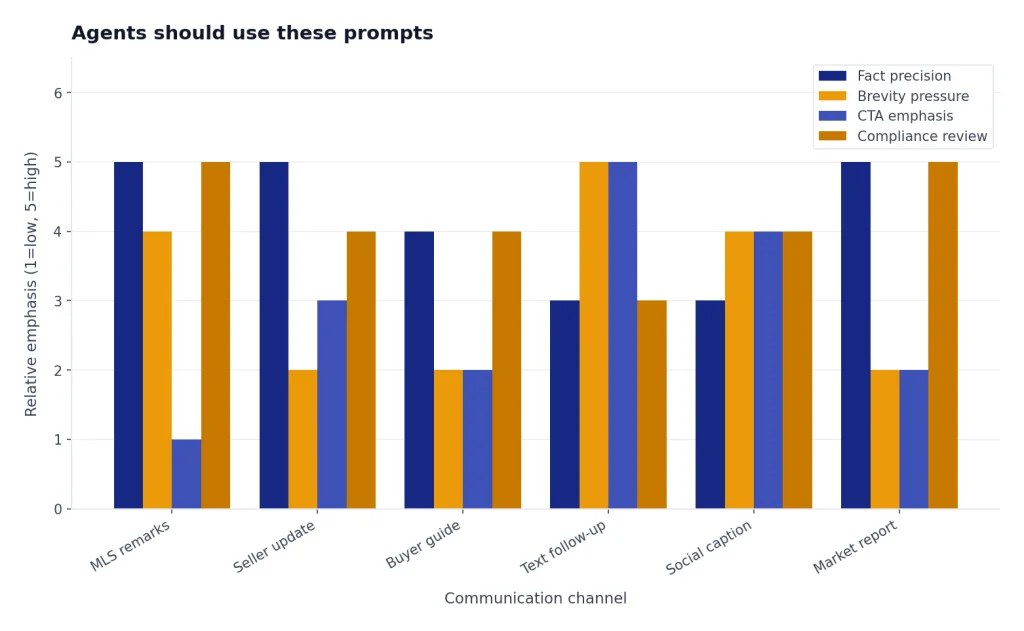
| Use case | Good input to provide | What to verify before publishing |
|---|---|---|
| Listing copy | Confirmed property facts, upgrades, room features, showing notes | MLS fields, measurements, excluded items, fair housing wording |
| Lead follow-up | Lead source, timeline, budget range, last interaction, next step | Consent, tone, brokerage scripts, claims about availability |
| Buyer education | Local process, common deadlines, inspection options, lender role | State forms, legal deadlines, financing statements |
| Seller updates | Showing feedback, traffic data, competing listings, price history | Comps, MLS statistics, pricing recommendation language |
| Social content | Audience, platform, topic, call to action, local source data | Accuracy, required disclosures, exaggerated market claims |
Prompt quality also depends on the channel. A Zillow-style public remark, a seller update email, a buyer consultation agenda, and an Instagram caption each need different constraints. For platform-specific repurposing, use these prompts with our chatgpt social media prompts for every platform.
Start with a reusable agent context
Before you use individual prompts, create one context block that you can paste at the top of a chat. This keeps your voice, market, compliance boundaries, and preferred format consistent. OpenAI’s Projects feature lets users keep related chats, uploaded files, and instructions together, which can help agents separate listing work, buyer consultations, and content planning.[2]
Reusable agent context prompt: Act as my real estate marketing and client communication assistant. I am a licensed real estate agent in [market]. Write in a clear, warm, professional tone. Do not invent property facts, pricing, neighborhood claims, school quality claims, appreciation forecasts, legal advice, tax advice, or lending advice. If a fact is missing, ask for it or mark it as a placeholder. Avoid language that could imply a preference for or against any protected class. Keep copy accurate, specific, and easy for a consumer to understand.
Use this context before the prompt library below. If your brokerage has approved words, disclaimers, or prohibited phrasing, paste those rules after the context block. If you work with multilingual clients, pair this workflow with chatgpt translation prompts for quality output and have a qualified speaker review important client-facing messages.
Brand voice prompt: Review the following writing sample and summarize my voice in a reusable style guide. Capture sentence length, level of warmth, formality, common phrases, and words to avoid. Then rewrite future real estate copy in that voice while keeping facts unchanged. Writing sample: [paste sample].
Compliance guardrail prompt: Before drafting, list the real estate compliance risks that could apply to this task. Check for fair housing wording, unsupported market claims, unverified property facts, lending promises, legal advice, and missing disclosures. Then draft the copy only after identifying what I must verify.
Listing and MLS-safe prompts
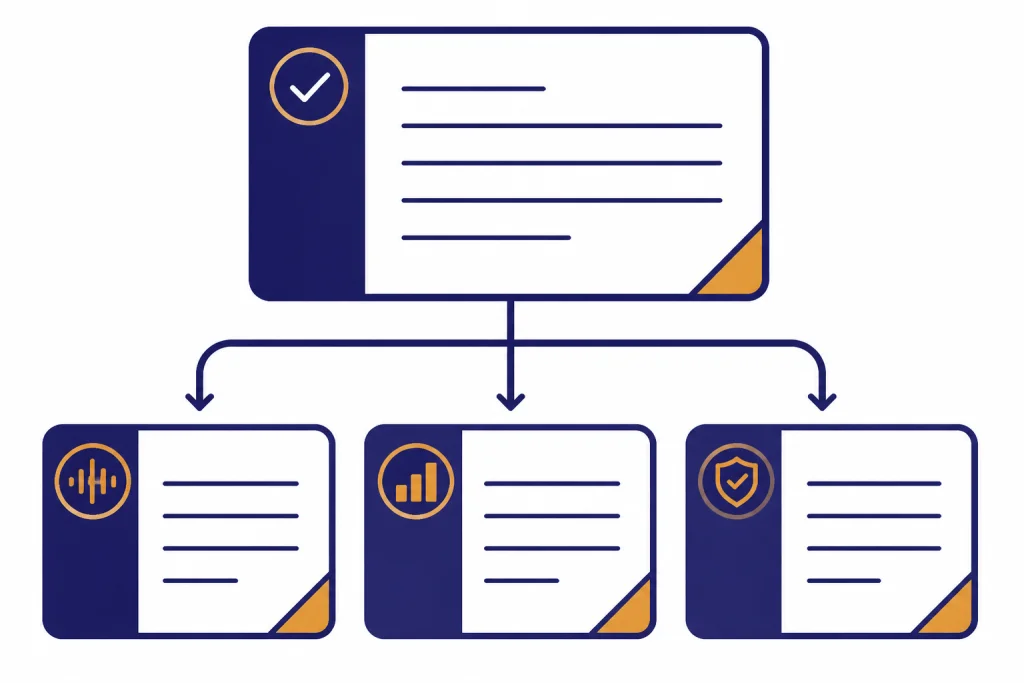
Listing prompts need tight boundaries. NAR’s Code of Ethics Article 12 says REALTORS shall be honest and truthful in real estate communications and present a true picture in advertising, marketing, and other representations.[7] That standard fits AI drafting well. Give ChatGPT the true picture, then make it write within that picture.
Do not ask ChatGPT to create listing features from photos alone. Use your verified notes, seller disclosures, permit records where applicable, and MLS-approved fields. NAR’s 2025 generational trends report found that 51 percent of buyers found the home they purchased on the internet, so the public listing description still carries major weight.[5]
MLS public remarks prompt: Write three versions of MLS public remarks for this property. Use only the facts I provide. Keep each version under [local MLS character limit]. Focus on property features, layout, updates, light, storage, outdoor space, and location convenience without making claims about protected classes, school quality, safety, or future value. Property facts: [paste facts]. Required exclusions or notes: [paste notes].
Luxury listing prompt: Draft polished listing copy for a high-end property using restrained, specific language. Avoid clichés such as dream home, must-see, hidden gem, and perfect for entertaining. Do not invent brand names, materials, views, measurements, or renovation dates. Use these verified facts: [paste facts].
Before-and-after edit prompt: Improve this listing description for clarity, flow, and buyer usefulness. Keep every factual claim intact. Flag any phrase that needs verification or may create fair housing, advertising, or MLS compliance concerns. Original copy: [paste copy].
Photo caption prompt: Create short captions for these listing photos. Each caption should describe the visible feature and connect it to practical use. Do not mention people, lifestyle assumptions, demographics, schools, crime, or future value. Photo notes: [paste numbered photo notes].
For property pages and blog posts, combine listing prompts with chatgpt seo prompts that help you rank. Keep SEO language factual. A search-friendly page still has to meet advertising and disclosure standards.

Lead follow-up and client communication prompts
Lead follow-up is where ChatGPT can save agents a lot of time. The goal is not to sound automated. The goal is to respond quickly, clearly, and with a next step that matches the lead’s intent. If you want a broader prospecting library, our ChatGPT Sales Prompts for Closers pairs well with this section.
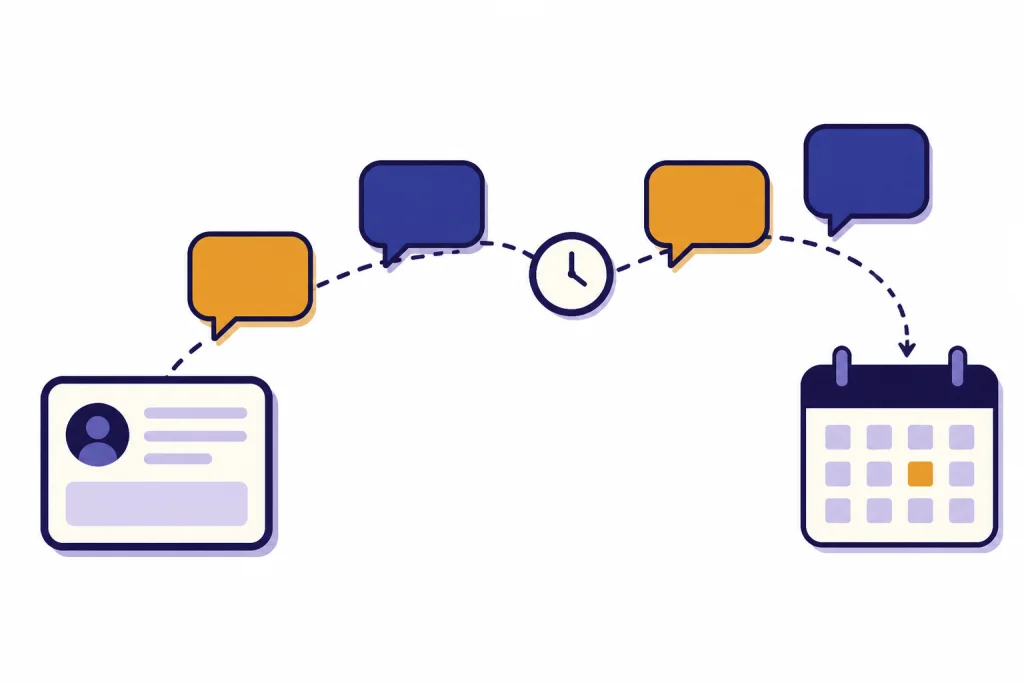
New buyer lead prompt: Write a friendly first-response text and email to a buyer lead who asked about [property address or search area]. Ask one simple qualifying question, offer one concrete next step, and avoid pressure. Do not mention financing advice beyond suggesting they speak with a lender. Lead source: [source]. Known details: [details].
Seller valuation lead prompt: Write a response to a homeowner who requested a home value estimate. Explain that an online estimate is only a starting point and that a pricing opinion should consider condition, updates, location, recent comparable sales, and current competition. Ask for permission to schedule a short walkthrough or call. Homeowner details: [paste details].
Cold lead reactivation prompt: Draft a short reactivation email for a lead who has not responded in [time period]. Make it useful, not pushy. Offer three reply options: still looking, paused for now, or already found help. Keep it under 120 words. Context: [paste last interaction].
Open house follow-up prompt: Write a follow-up message for visitors from an open house at [property]. Thank them, ask whether they want the disclosure packet or comparable listings, and invite them to share what they liked or did not like. Do not assume their family status, budget, or motivation. Notes: [paste visitor notes].
Client communication also includes difficult conversations. If a buyer is frustrated, a seller is upset about feedback, or a deal is tense, adapt the structure from ChatGPT Customer Service Prompts and Templates. Ask ChatGPT to lower the temperature, clarify next steps, and preserve the relationship.
Buyer and seller advisory prompts
Advisory prompts should educate clients without crossing into legal, tax, or lending advice. The CFPB describes the Equal Credit Opportunity Act and Regulation B as fair lending requirements for creditors, which is a reminder that agents should be careful with statements about credit eligibility, loan approval, or borrower treatment.[8] When financing questions come up, prompt ChatGPT to explain the process at a high level and refer the client to the appropriate professional.
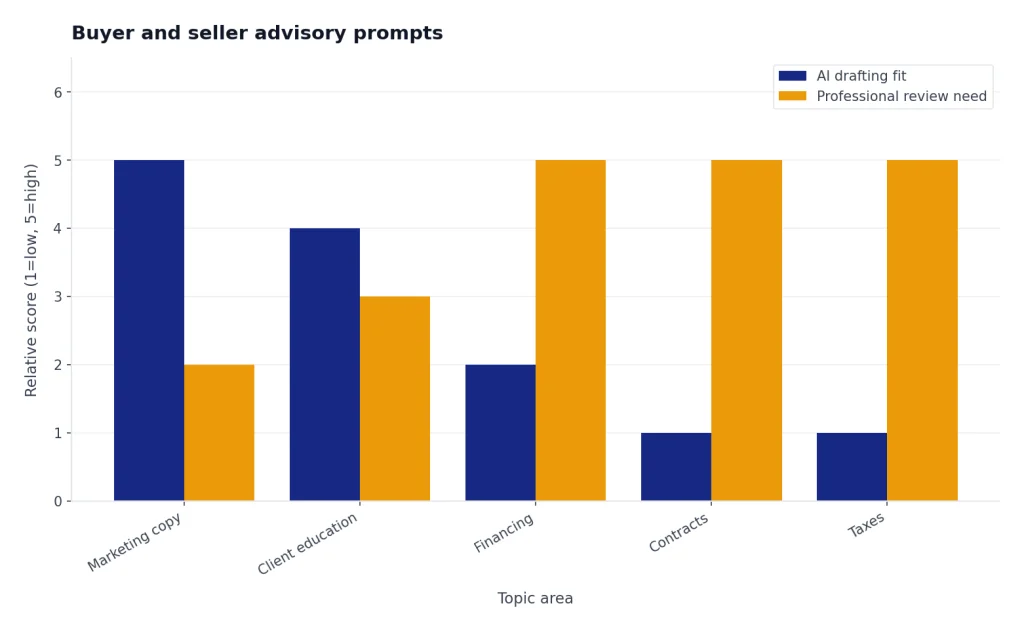
Buyer consultation agenda prompt: Create a 45-minute buyer consultation agenda for a first meeting. Include goals, search criteria, agency relationship, financing preparation, offer strategy, inspections, timelines, and communication preferences. Use plain language. Add a section called Questions for your lender and a section called Questions for your attorney or settlement professional where applicable.
Offer explanation prompt: Explain the main parts of a residential purchase offer in plain English for a buyer. Cover price, earnest money, financing, inspection, appraisal, closing date, contingencies, inclusions, exclusions, and response deadline. Do not give legal advice. Add placeholders where state-specific contract language should be reviewed by the broker or attorney.
Seller prep checklist prompt: Build a seller preparation checklist for the 30 days before listing. Organize it by repairs, cleaning, staging, documents, access, photos, pricing conversation, and launch plan. Do not promise a sale price or timeline. Include a short note explaining which items require professional judgment.
Inspection response prompt: Draft a neutral email to a seller explaining the buyer’s inspection request. Summarize the request, list possible response paths, and recommend that the seller review repair costs, contract obligations, and negotiation strategy before responding. Use calm language and avoid legal conclusions.
If your prompt touches contracts, disclosures, disputes, or agency duties, be conservative. Our ChatGPT Legal Prompts explains why legal-adjacent AI output needs review by qualified professionals and should not be treated as legal advice.
Local market content prompts
Market content is useful when it is sourced, current, and specific. It becomes risky when it makes unsupported predictions. Use ChatGPT to turn verified data into plain-English explanations. Do not ask it to guess inventory, rates, price trends, or neighborhood performance.
NAR reported that 91 percent of sellers used a real estate agent in its 2025 Profile of Home Buyers and Sellers, which supports a simple content strategy: explain the work behind pricing, preparation, negotiation, and transaction management.[6] Your content should show judgment, not just promote availability.
Market update prompt: Turn these verified local market stats into a consumer-friendly update. Explain what changed, what stayed the same, and what buyers and sellers should discuss with an agent. Do not predict future prices or rates. Use cautious language. Data source and date: [paste source]. Stats: [paste stats].
Neighborhood guide prompt: Draft a neutral neighborhood guide using only factual, source-backed information. Include housing styles, commute options, parks, shopping areas, public resources, and local amenities. Do not discuss resident demographics, crime characterizations, school quality opinions, or who the area is best for. Inputs: [paste facts and sources].
Short video script prompt: Write a 60-second video script explaining [local real estate topic]. Use a practical opening, one clear data point, one example, and a soft call to action. Avoid hype and avoid saying now is the best time to buy or sell unless I provide a sourced reason. Topic and data: [paste].
FAQ content prompt: Create five buyer or seller FAQ answers about [topic]. Each answer should be 80 to 120 words, plain English, and include a reminder to verify details for the specific property or contract. Do not include legal, tax, or lending advice.
For agency blogs, build a content calendar from common client questions. Our ChatGPT Business Prompts for Owners can help you turn that calendar into repeatable weekly operations.
How to turn prompts into a repeatable workflow
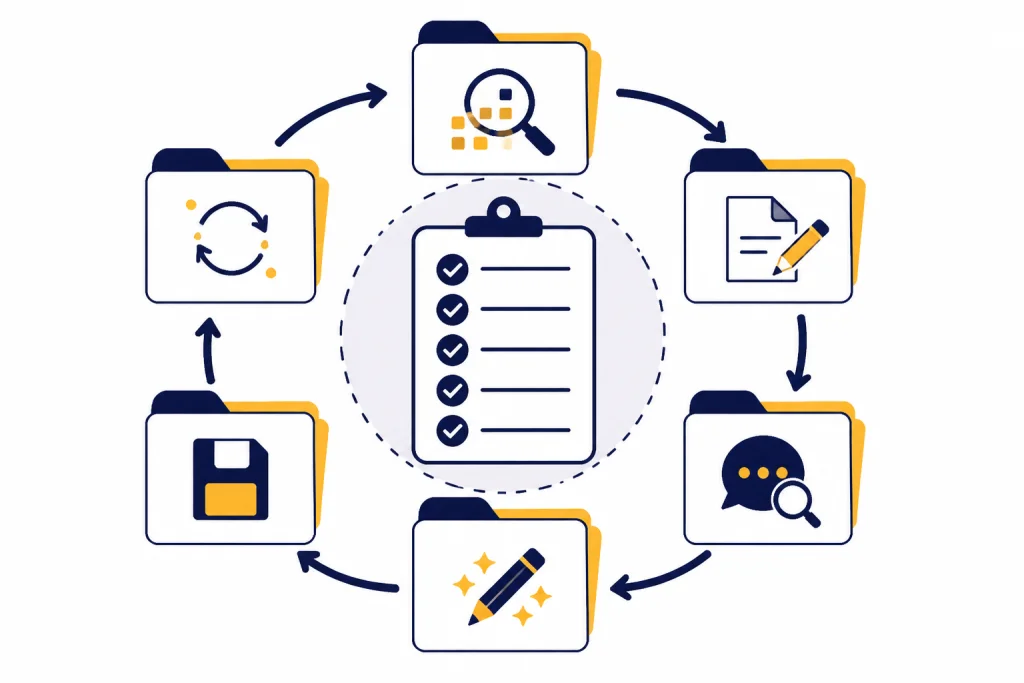
A prompt library only helps if agents can use it under deadline pressure. Create folders for listing copy, lead follow-up, buyer education, seller education, market content, and compliance review. Inside each folder, keep a clean prompt, an example input, an approved output, and a review checklist.
- Step 1: Paste your reusable agent context.
- Step 2: Add verified facts, source dates, and required disclaimers.
- Step 3: Ask ChatGPT to draft in one specific format.
- Step 4: Ask for a risk review before you publish.
- Step 5: Edit for your voice and brokerage standards.
- Step 6: Save the final version as a better example for next time.
Final review prompt: Review this real estate copy before I send or publish it. Create a table with three columns: issue found, why it matters, and suggested revision. Check for unsupported facts, fair housing concerns, exaggerated claims, legal advice, lending advice, missing placeholders, unclear call to action, and tone problems. Copy: [paste].
Repurposing prompt: Repurpose this approved piece of real estate copy into an email, a text message, a LinkedIn post, an Instagram caption, and a short video script. Keep the facts unchanged. Adapt the length and call to action for each channel. Flag anything that needs a disclosure or source.
Agents who work heavily in spreadsheets can also use ChatGPT Excel Prompts for Power Users to clean lead lists, organize showing feedback, or summarize campaign data. Keep private client data out of prompts unless your brokerage has approved the tool and settings for that use.
Frequently asked questions
Can real estate agents use ChatGPT for listing descriptions?
Yes, but agents should provide verified property facts and review the output before publishing. ChatGPT should not invent upgrades, measurements, schools, neighborhood claims, permit history, or pricing details. Treat the draft as a starting point for MLS-compliant copy.
What should I never put in a real estate prompt?
Avoid confidential client information, private financial details, unverified property facts, and instructions that ask ChatGPT to target or exclude people based on protected characteristics. Also avoid uploading contracts, disclosures, or IDs unless your brokerage has approved that workflow. When in doubt, anonymize the facts.
Can ChatGPT write fair housing-compliant copy?
ChatGPT can help flag risky language, but it cannot guarantee compliance. You should still review copy against federal, state, local, MLS, and brokerage rules. Ask it to focus on property features and verified amenities rather than describing who a home is ideal for.
How do I make ChatGPT sound like me?
Give it a few examples of your approved writing and ask it to create a style guide. Then paste that guide into future prompts. You can also ask for three versions: more concise, warmer, and more formal, then choose the one closest to your voice.
Can ChatGPT create local market reports?
Yes, if you provide the data and source date. Ask ChatGPT to explain the numbers in plain English and to avoid predictions unless you supply sourced support. Always check calculations, labels, and time periods before sending the report to clients.
Should I use ChatGPT for contracts or legal clauses?
No. Do not rely on ChatGPT to draft legal clauses, interpret contract obligations, or advise clients on legal rights. Use broker-approved forms and ask a qualified attorney or broker when a contract question needs professional review.