
OpenAI o3-mini: Specs, Pricing, and Performance
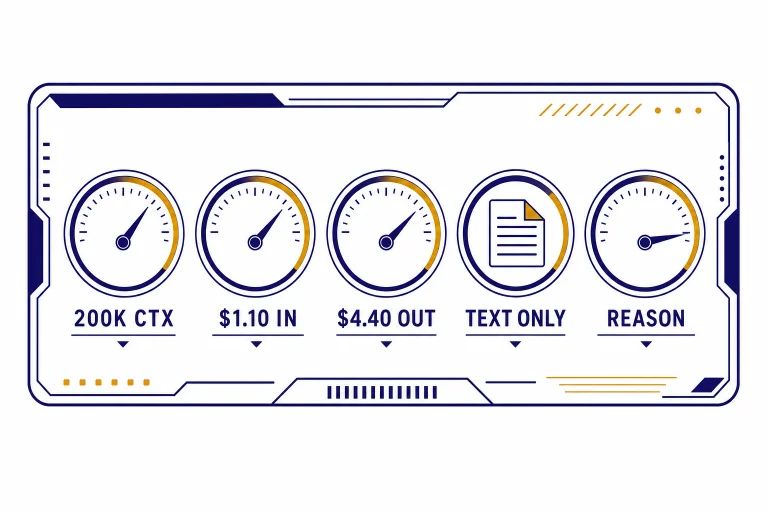
A practical guide to OpenAI o3-mini, including API specs, token pricing, context window, benchmarks, use cases, limits, and 2026 migration advice.

A practical guide to OpenAI o3-mini, including API specs, token pricing, context window, benchmarks, use cases, limits, and 2026 migration advice.
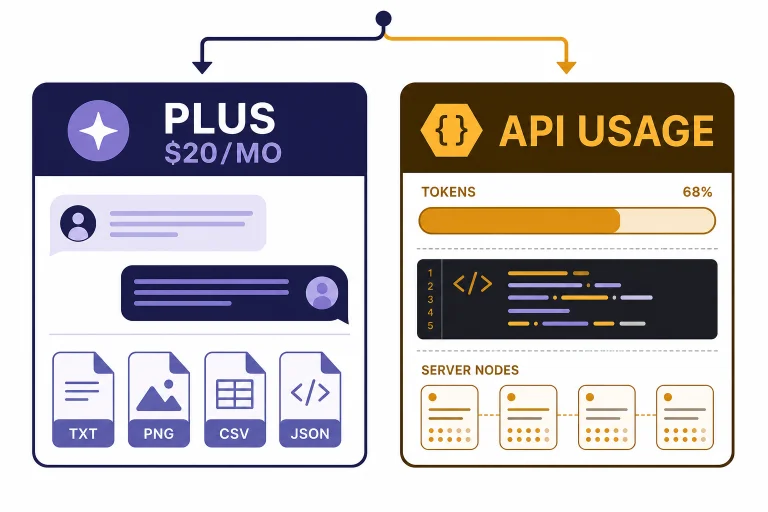
ChatGPT Plus is best for a finished chat app. The OpenAI API suits developers needing automation, integrations, and usage-based billing.
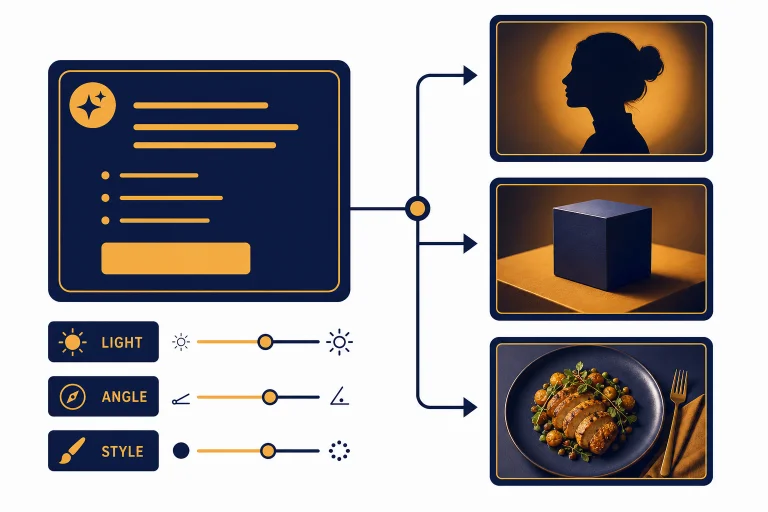
Use these ChatGPT photo prompts for portraits, products, travel, food, events, and photo edits. Includes templates, examples, and troubleshooting tips.
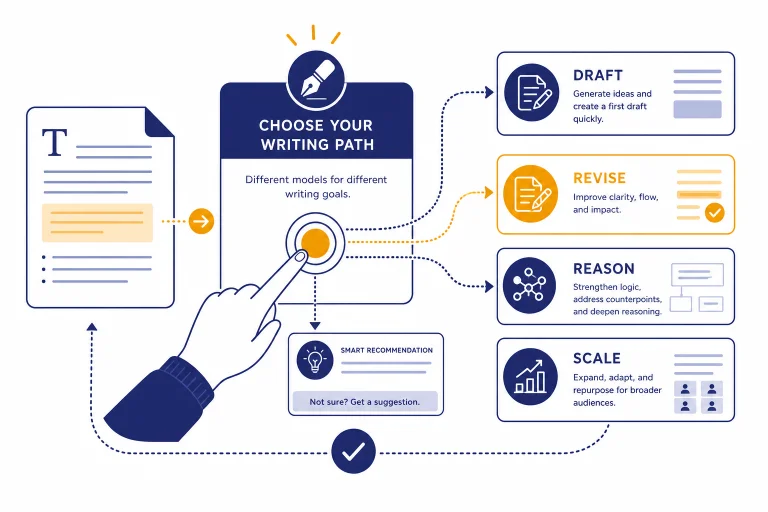
Best GPT model for writing: use GPT-5.3 Instant for most tasks, GPT-5.5 Thinking for complex work, and GPT-5.2 or GPT-5 mini in the API.
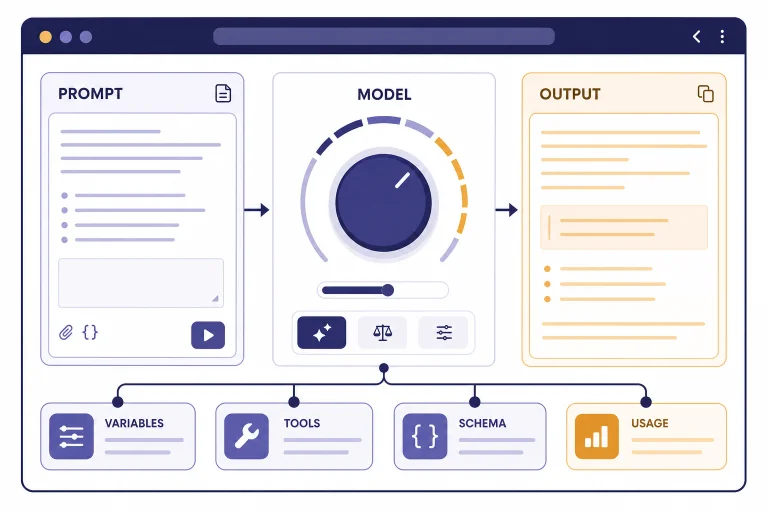
Learn what OpenAI Playground does, how to test prompts, compare models, add tools, control costs, and move a prototype into the OpenAI API.
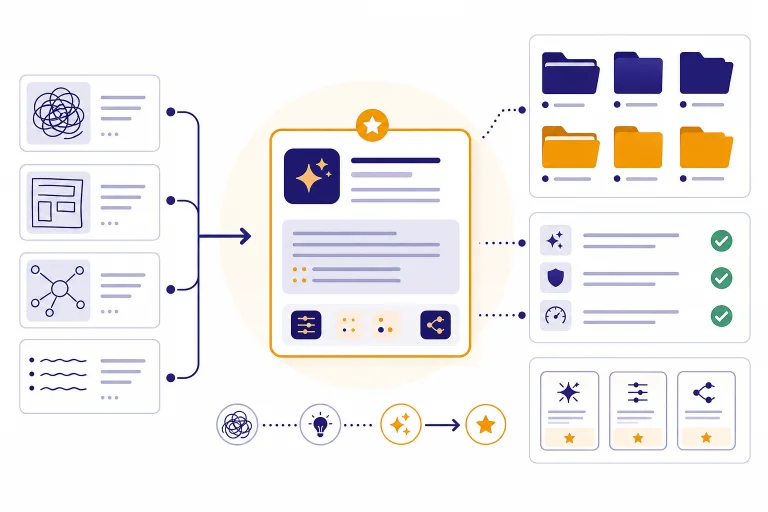
Use the ChatGPT prompt generator to turn rough ideas into reusable prompts, organize them in a library, and compare options.
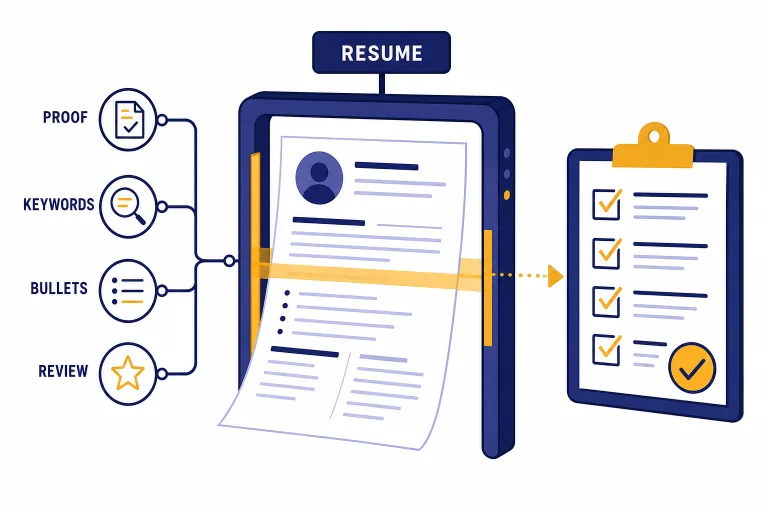
Use ChatGPT for resume writing without sounding generic. Learn prompts, ATS-safe formatting, bullet rewrites, privacy checks, and a 2026 resume workflow.
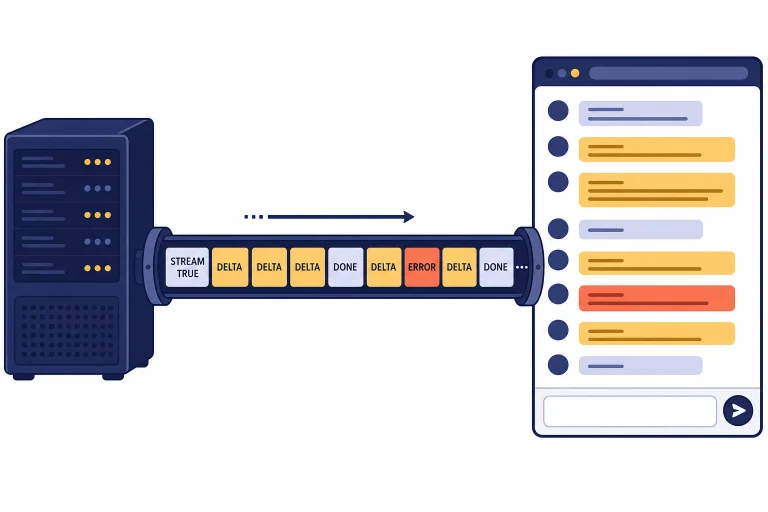
Learn how the OpenAI streaming API works, when to use it, how to read Responses API events, and how to build safe streamed text, tool, and JSON flows.
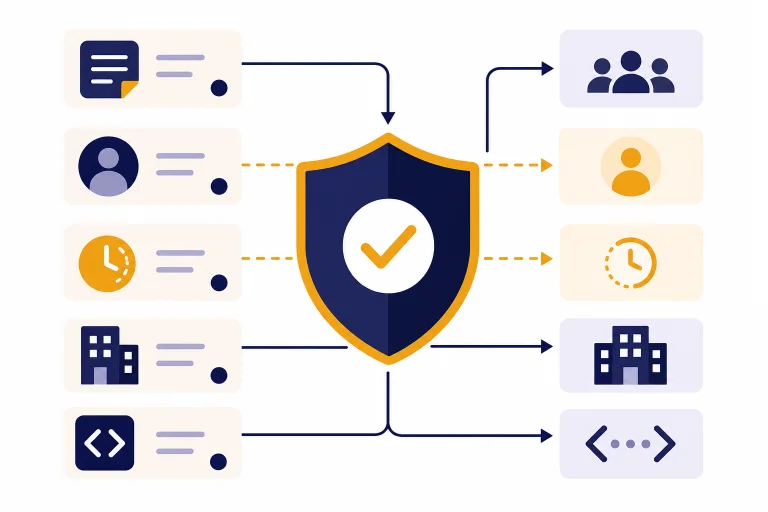
ChatGPT is useful, but it is not a private vault. Learn what OpenAI stores, when training applies, and how to use it safely.
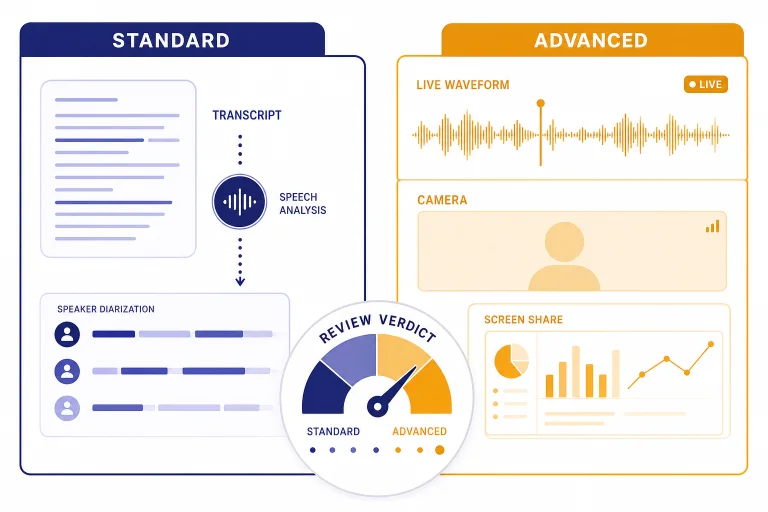
A practical ChatGPT Voice Mode review covering Standard Voice, Advanced Voice, limits, privacy, pricing, best uses, and whether it is worth paying for.
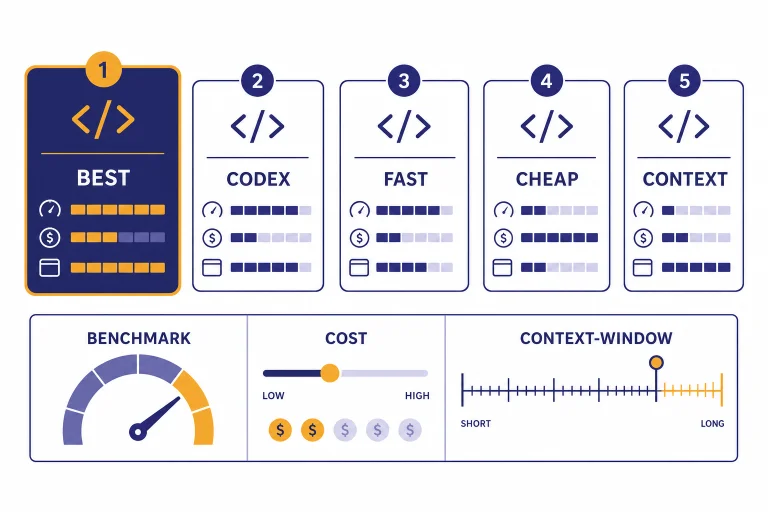
Compare the best GPT models for coding in 2026, including GPT-5.4, GPT-5.3-Codex, Codex-Spark, and GPT-4.1 for agents, speed, cost, and context.
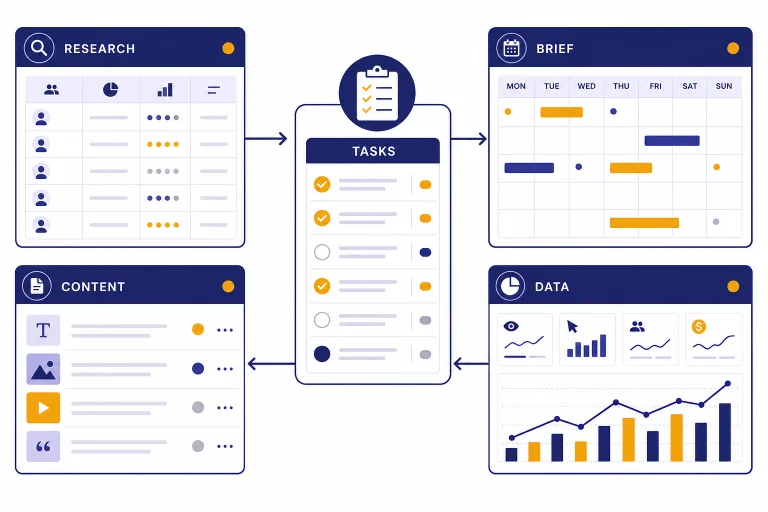
ChatGPT tutorial for marketing workflows: build brand briefs, research buyers, plan campaigns, draft content, and automate repeat work safely.