DALL-E 3: The Image Model Powering ChatGPT
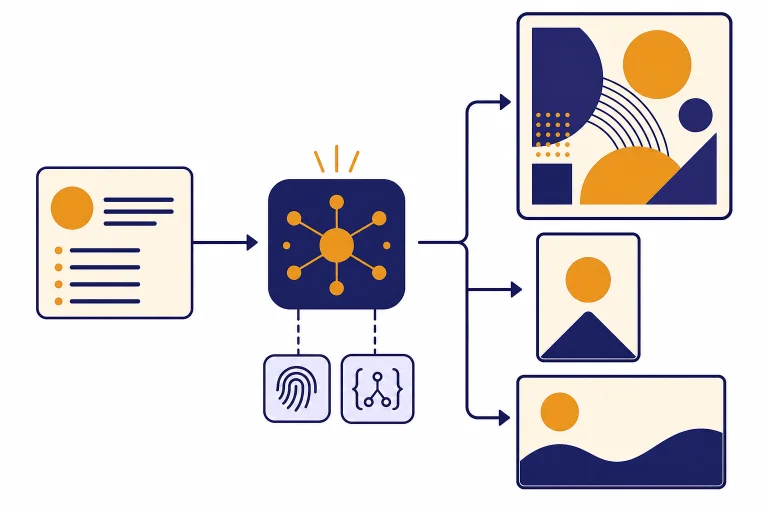
DALL-E 3 explained for 2026: how it works in ChatGPT, pricing, strengths, limits, prompting tips, and when to use newer image models.
DALL-E 3 explained for 2026: how it works in ChatGPT, pricing, strengths, limits, prompting tips, and when to use newer image models.
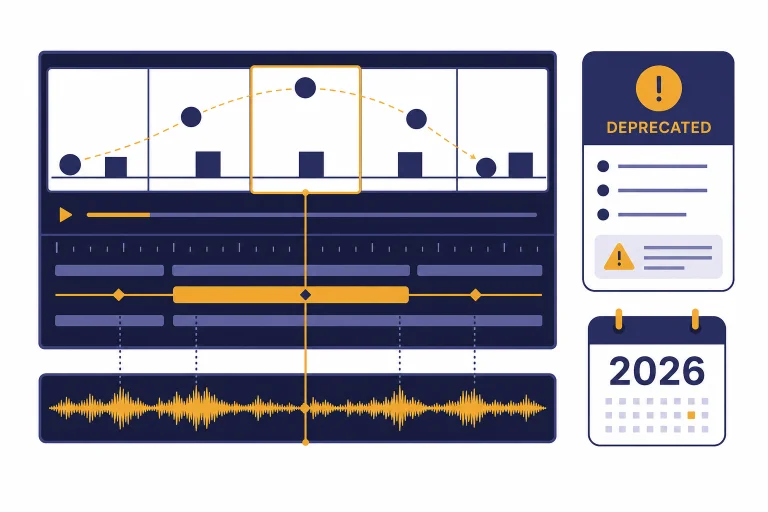
Sora 2 adds synchronized audio, better physics, prompt control, API access, and creator tools, even as OpenAI winds it down.
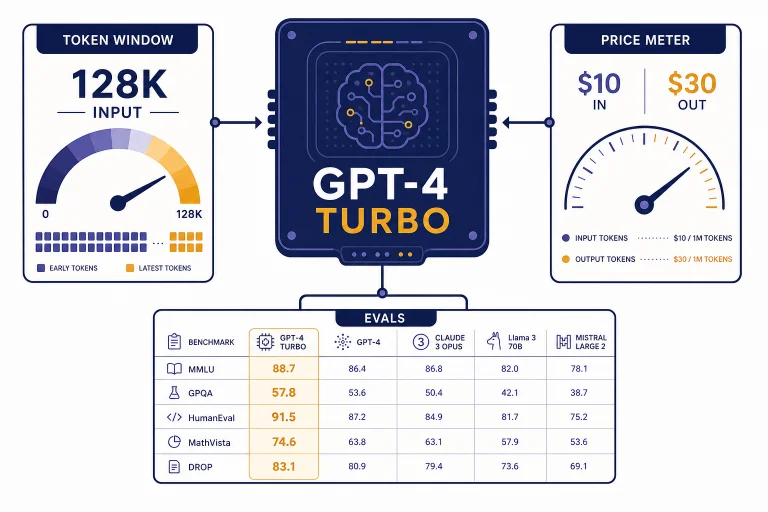
GPT-4 Turbo explained: context window, API pricing, latency benchmarks, eval scores, feature limits, and when to use or replace it in 2026.
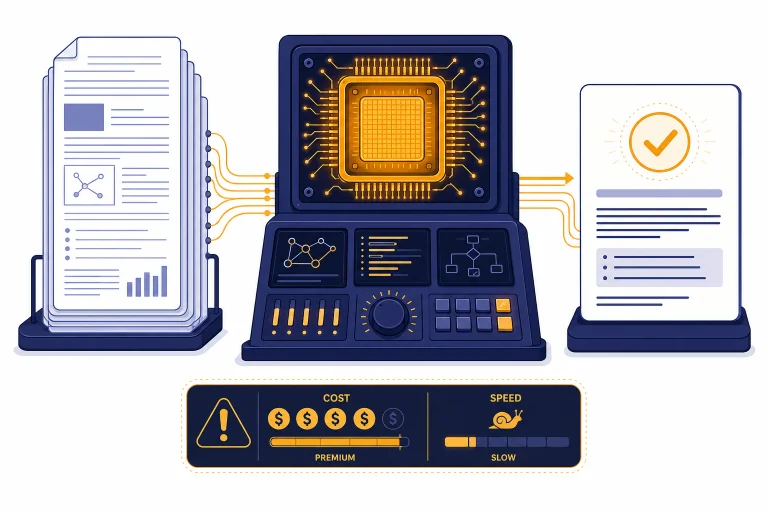
A practical guide to OpenAI o1-pro: when to use it, when to avoid it, API pricing, limits, and how it compares with o1 and newer reasoning models.
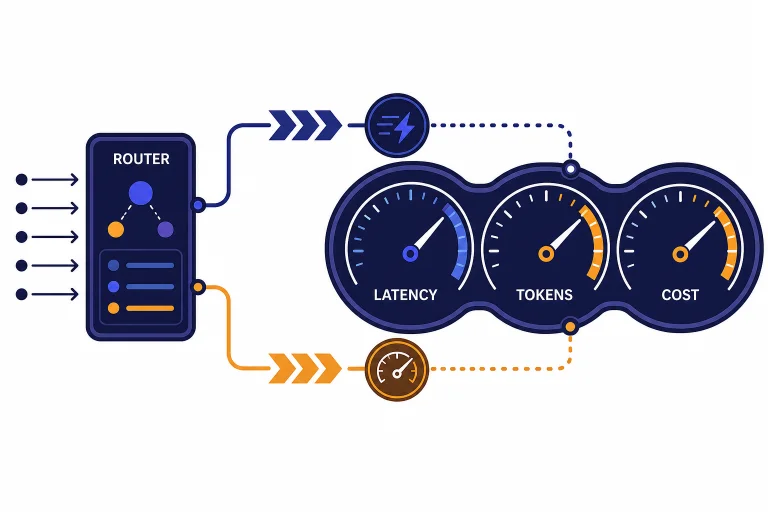
GPT-5 Turbo isn’t an official OpenAI model. Learn what it means, how GPT-5 speed optimizations work, and which GPT-5 model to choose.
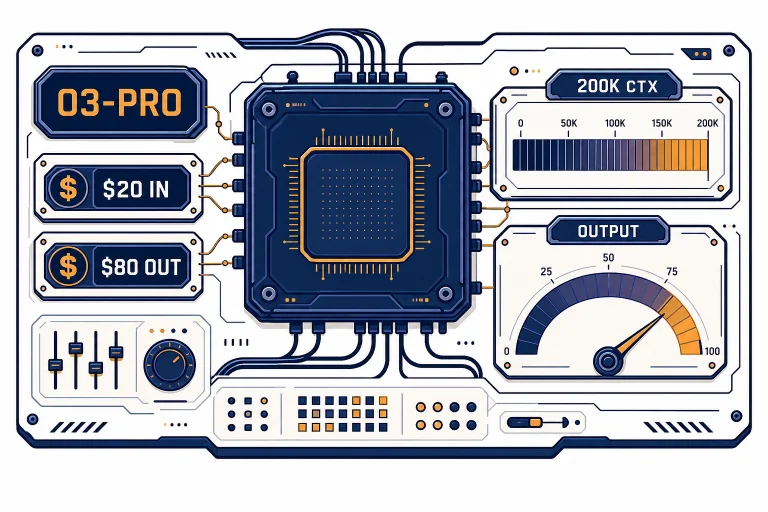
A practical review of OpenAI o3-pro, including specs, pricing, use cases, API constraints, and when to choose o3-pro over o3, o3-mini, or o1-pro.
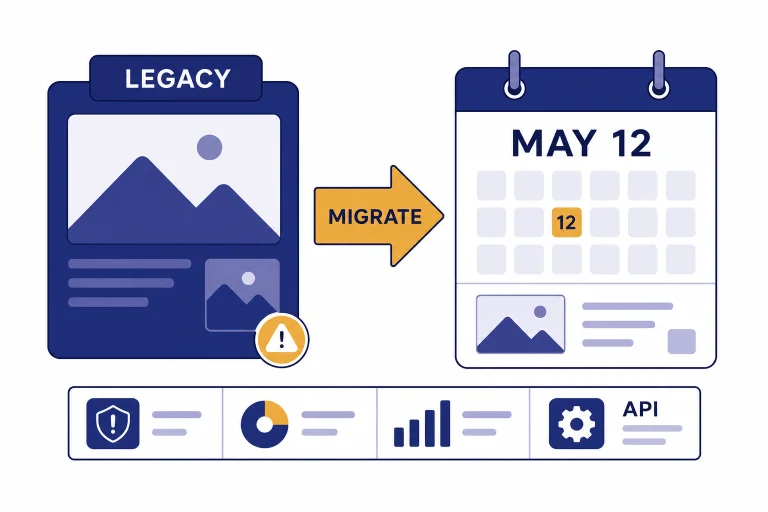
DALL-E 2 is still useful for legacy API workflows, low-cost square images, and variations, but most new projects should move to newer OpenAI image models.
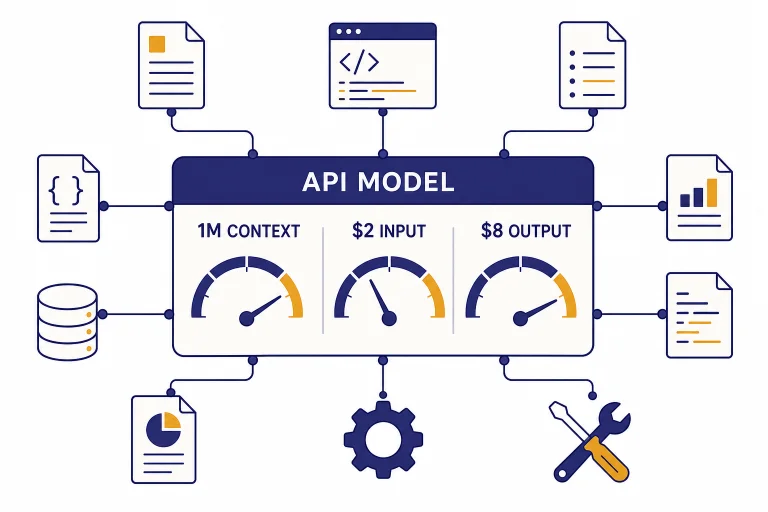
A clear guide to GPT-4.1, including its features, 1M-token context window, max output, API pricing, model variants, and best use cases.
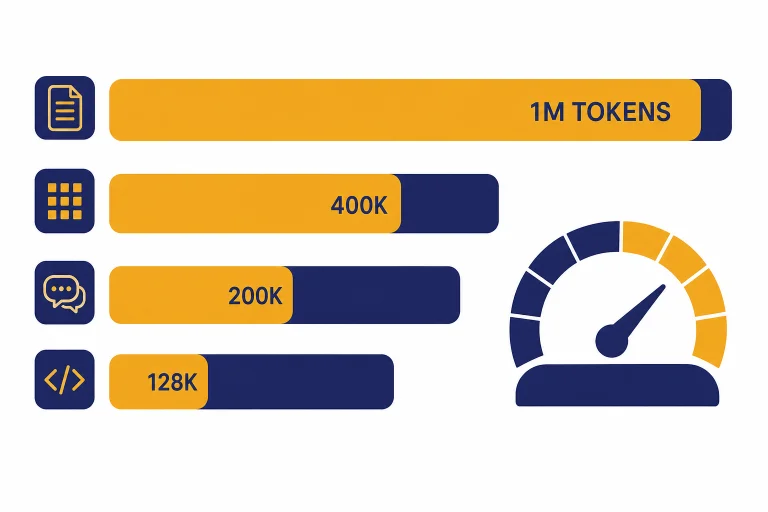
Compare GPT context window sizes across GPT-5, GPT-4.1, GPT-4o, o-series reasoning models, legacy GPT models, and ChatGPT model-picker tiers.
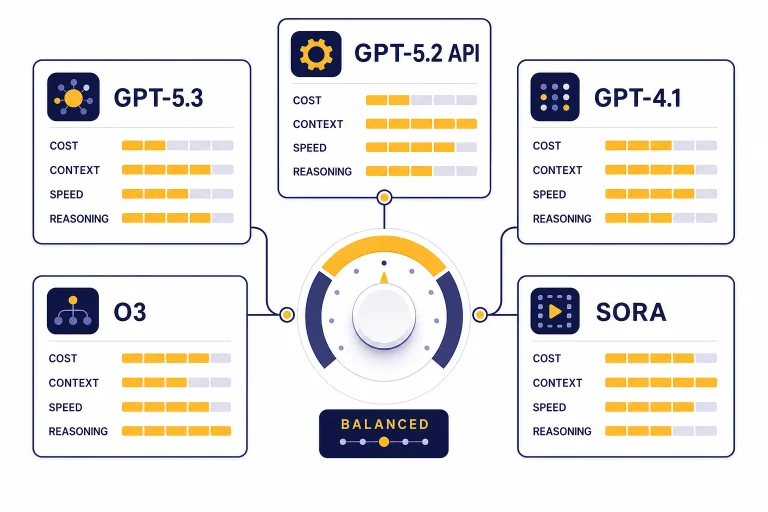
A side-by-side GPT models comparison covering GPT-5.3, GPT-5.2, GPT-4.1, GPT-4o, o-series reasoning models, pricing, context windows, and use cases.
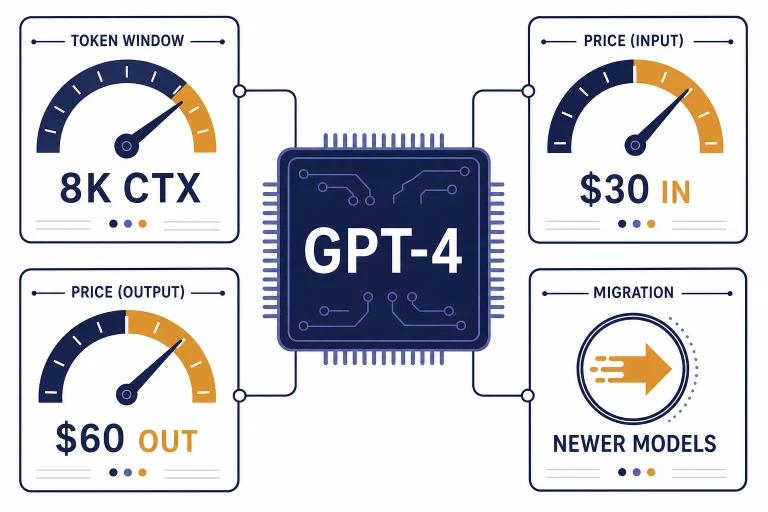
GPT-4 explained: what it is, specs, pricing, context window, strengths, limits, and how it compares with GPT-4 Turbo, GPT-4o, and GPT-4.1.
OpenAI o1 is a reasoning model built for hard math, coding, science, and multi-step analysis. Learn how it works, what it costs, and when to use it.